
Study finds speeding saves drivers 54 seconds while burning more fuel
University of Minnesota researchers said posted speed limits could cut daily fuel use by millions of gallons with little added travel time.
By Hana Yoshida · Markets Reporter
3 min read
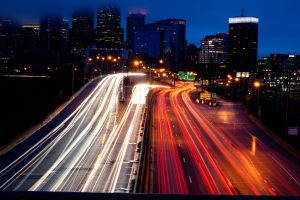
Speeding gives U.S. drivers little time back while raising fuel use and emissions, according to a University of Minnesota study published Thursday in the Nature journal Communications Sustainability. The researchers said driving at posted limits would add less than a minute to the average driver’s day but could save millions of gallons of fuel.
The study examined 120 million vehicle trips across the United States from four Wednesdays in 2021. The researchers used driving data from national road networks, posted speed limits and U.S. Geological Survey elevation data, and they limited the analysis to roads with speed limits of at least 45 mph.
According to the study, more than 43% of the trips reviewed included at least one speeding episode. Drivers in the sample spent almost 12% of their driving time above the posted limit.
Fuel savings without much delay
The University of Minnesota team estimated that if drivers of light-duty conventional gasoline vehicles stayed within speed limits, the United States could save an average of $22 million in fuel costs each day, based on prices at the time of the trips. The study also estimated daily savings of 6.7 million gallons of fuel and 57,000 metric tonnes of carbon dioxide.
The researchers said that emissions reduction would be comparable to taking about 5.5 million passenger vehicles off the road. They also found that, for an average daily driving distance of 28.6 miles, staying at or below the limit would lengthen travel by about 54 seconds per day.
William Northrop, a University of Minnesota mechanical engineering professor and study co-author, told the Associated Press that drivers trade fuel savings and safety for a small amount of time. “If your goal is to shave one minute off your time, then you’ve got to drive fast,” Northrop said. “If your objective is to get to your destination safely and to save fuel, then you might drive slower than the speed limit.”
The study looked at battery-electric vehicle efficiency only in California because U.S. EV adoption was limited at the time, according to the researchers. Northrop told the AP that the California modeling also showed benefits for EVs when drivers slowed down.
State patterns varied
The study found different speeding patterns by state. According to the researchers, Nevada had both frequent speeding and high excess speed, while Florida, Georgia and North Carolina had frequent speeding without the same level of excess speed. Montana, Wyoming, Idaho and South Dakota had lower speeding prevalence and lower excess speed, the study found.
The Associated Press reported that faster driving raises vehicle energy demand, reduces efficiency and increases engine emissions. AP also noted that engines have become more efficient over recent decades while vehicles have grown larger and more powerful, and speed limits have risen since the 1970s-era national 55 mph limit imposed during the energy crisis.
Using current average gasoline prices and higher vehicle miles traveled, the researchers estimated that obeying speed limits could save about $26 million and 7.2 million gallons of fuel per day this year, according to the AP. The study noted one limitation: slower driving could change traffic patterns, which could affect efficiency.
Rob Middleton, a University of Michigan associate research scientist in mechanical engineering who was not involved in the study, told the AP the work was well done. He said the potential savings remain small compared with U.S. gasoline consumption of about 375 million gallons per day, but added that slowing down costs drivers little.
This story draws on original reporting from Fortune.