
Specialty crop farms adjust as heat squeezes harvests
Growers told the Associated Press they are shifting schedules, adding shade and relying on crop diversity as extreme weather strains farms.
By Maya Lindqvist · Senior Technology Correspondent
4 min read
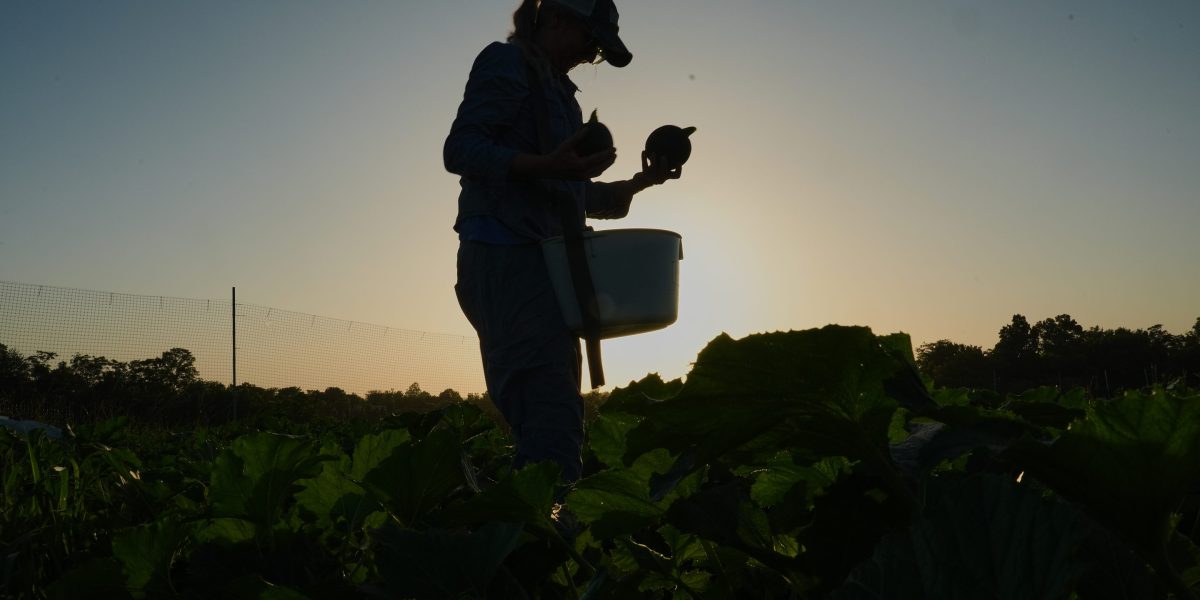
Specialty crop farmers are changing how they work as heat waves, floods, drought and late frosts put more pressure on fruits and vegetables. The Associated Press reported that recent high heat has shortened harvest windows, raised health risks for workers and exposed gaps in crop insurance for smaller growers.
On her 50-acre farm in Brooksville, Kentucky, Annie Woods told the AP she harvests squash and zucchini in the cooler parts of the day, often in the morning and evening. Woods grows vegetables and culinary herbs for restaurants and a community-supported agriculture program, and much of her planting and harvesting is done by hand.
Woods said heat waves should be treated as recurring risks rather than rare events. The AP reported that prolonged heat is part of a climate change-driven pattern that has also included severe flooding, extended drought, narrower planting periods and crop losses tied to early warmth followed by freezes.
Heat changes the workday
The recent heat dome, a high-pressure system that holds heat and humidity over an area, affected some fruit and vegetable growers, according to the AP. Human-driven climate change has contributed to more severe heat waves and other extreme weather, the AP reported.
Melissa Widhalm, associate director at the Midwest Regional Climate Center in West Lafayette, Indiana, told the AP that heat and humidity under a heat dome can endanger farmworkers and pose a serious health threat. Woods said she takes regular water breaks and, when she must work in intense heat, sets up a farmers market tent in the field for shade.
Heat also affects the crops themselves. Woods told the AP that harvesting during hot conditions can reduce quality, while rain and humidity can help diseases and pests spread. She has prioritized crops that are most at risk, including tender salad greens.
Woods is also watching seedlings for fall crops. She keeps them in a closed cabinet inside a barn while they germinate, then moves them to a greenhouse where fans help control the temperature, according to the AP.
Shorter windows for fruit
In central Iowa, orchard owner Paul Rasch told the AP that heat forced his crew of eight workers to accelerate raspberry picking. He said the crop normally allows about three weeks of harvesting, but the heat left workers racing to gather as much fruit as possible.
Rasch said crews have begun some harvests as early as 6 a.m. so they can finish before noon, when conditions become too hot and unsafe. He has added air conditioning inside buildings and is creating more shade for customers with trees and covered pavilions, according to the AP.
Rasch also told the AP he is testing high tunnels, which can help keep crop conditions more consistent. He said heat events, floods, drought and late-spring frosts all threaten crops during the year.
Insurance gaps add risk
The AP reported that smaller specialty farms often grow many crops across the season, both for business reasons and to reduce losses when one crop struggles. Woods said her community-supported agriculture program gives her flexibility because customers back the farm for the season even if the mix of vegetables changes.
Rasch and Woods told the AP that specialty crop farmers can face more difficulty getting useful crop insurance than commodity growers. Duncan Orlander, a policy specialist with the National Sustainable Agriculture Coalition, told the AP that federal crop insurance is built around single crops with one growing season, such as corn, soybeans and wheat.
Orlander said paperwork can be too burdensome for small farms growing many crops on limited acreage, and coverage for some specialty crops may be unavailable in some areas. He also told the AP that revenue-based federal programs exist, but they are complicated and used far less than they could be.
Woods told the AP that heat, floods and drought now require planning for resilience. For growers like her, that means changing work hours, protecting seedlings, spreading risk across crops and keeping customers tied to the farm through uncertain weather.
This story draws on original reporting from Fortune.