
IMF trims global growth forecast as Iran war lifts energy costs
The fund projects 3% global growth in 2026, with AI investment cushioning some of the damage from higher oil prices.
By Hana Yoshida · Markets Reporter
3 min read
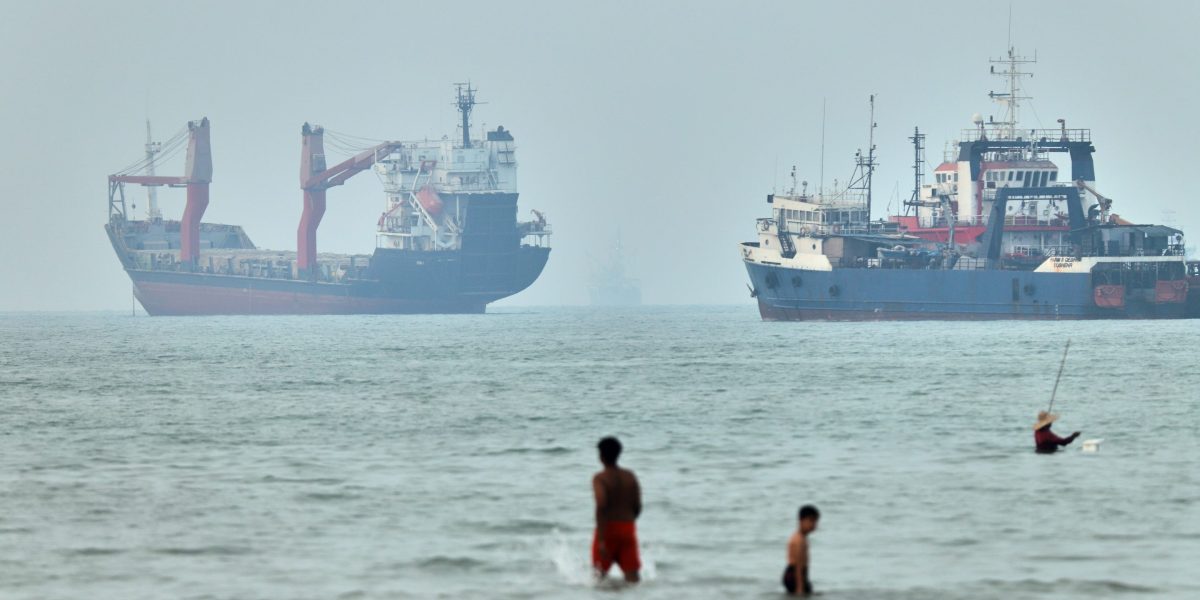
The International Monetary Fund lowered its 2026 global growth forecast on Wednesday, saying the Iran war has driven up energy costs and weighed on households and businesses. The IMF said stronger spending on artificial intelligence and other technologies is helping keep the world economy from slowing more sharply.
The fund now expects global output to expand 3% this year, according to the Associated Press. That is below the 3.1% forecast the IMF issued in April and down from 3.5% growth last year, while the fund projects a rebound to 3.4% in 2027.
The AP reported that Iran closed the Strait of Hormuz after U.S. and Israeli attacks on Feb. 28. The waterway carries about one-fifth of the world’s crude oil and natural gas, according to the AP, and its closure sent energy prices higher.
The IMF expects oil prices to rise nearly 32% this year, according to the AP. The fund also projects global consumer prices to increase 4.7% in 2026, up from 4.1% in 2025, a shift the AP said would interrupt two years of easing inflation.
Forecast rests on a Hormuz reopening
The IMF’s projections assume the Strait of Hormuz reopens later this month, according to the AP. The outlook also assumes shipping through the strait returns to normal by next March.
Those assumptions come as the AP reported that U.S. strikes on Iran resumed and President Donald Trump said Wednesday that a cease-fire with Iran was over. The fund’s forecast therefore depends in part on a quick easing of a conflict that was still active as the outlook was released.
Petya Koeva Brooks, deputy director of the IMF’s research department, told reporters Wednesday that the global economy had absorbed the war shock better than expected, according to the AP. Brooks said the damage was contained in part because countries tapped existing oil reserves and energy exporters outside the Persian Gulf raised output.
The IMF said economies with their own energy production and exposure to AI investment have more protection from the shock, according to the AP. The United States fits that group, and the fund left its U.S. growth estimate unchanged from April at 2.3% for 2026, up from 2.1% in 2025.
The AP reported that the IMF also cited Trump’s 2025 tax cuts, productivity gains and a strong stock market as supports for the U.S. economy. The United States remains the world’s largest economy, according to the AP.
Europe slows, India leads major economies
The eurozone is taking a harder hit from energy costs, according to the IMF forecast reported by the AP. The 21 countries that use the euro are expected to grow 0.9% this year, down from 1.4% in 2025.
The IMF expects China’s economy to grow 4.6% in 2026, according to the AP, slightly above the fund’s April estimate. The AP reported that higher energy costs and a property market collapse are weighing on China, while public works spending, high-tech manufacturing and strong exports are providing support.
India is again expected to be the fastest-growing major economy, according to the IMF forecast reported by the AP. The fund projects India will expand 6.4% this year, down from 7.7% last year, with consumer spending driving growth.
The IMF is a 191-country lending institution that works to support economic growth, financial stability and poverty reduction, according to the AP.
This story draws on original reporting from Fortune.