
Situational Awareness fund survives selloff before Aschenbrenner wedding
Situational Awareness shrank to $10 billion after leveraged AI bets soured, according to the Wall Street Journal.
By Hana Yoshida · Markets Reporter
3 min read
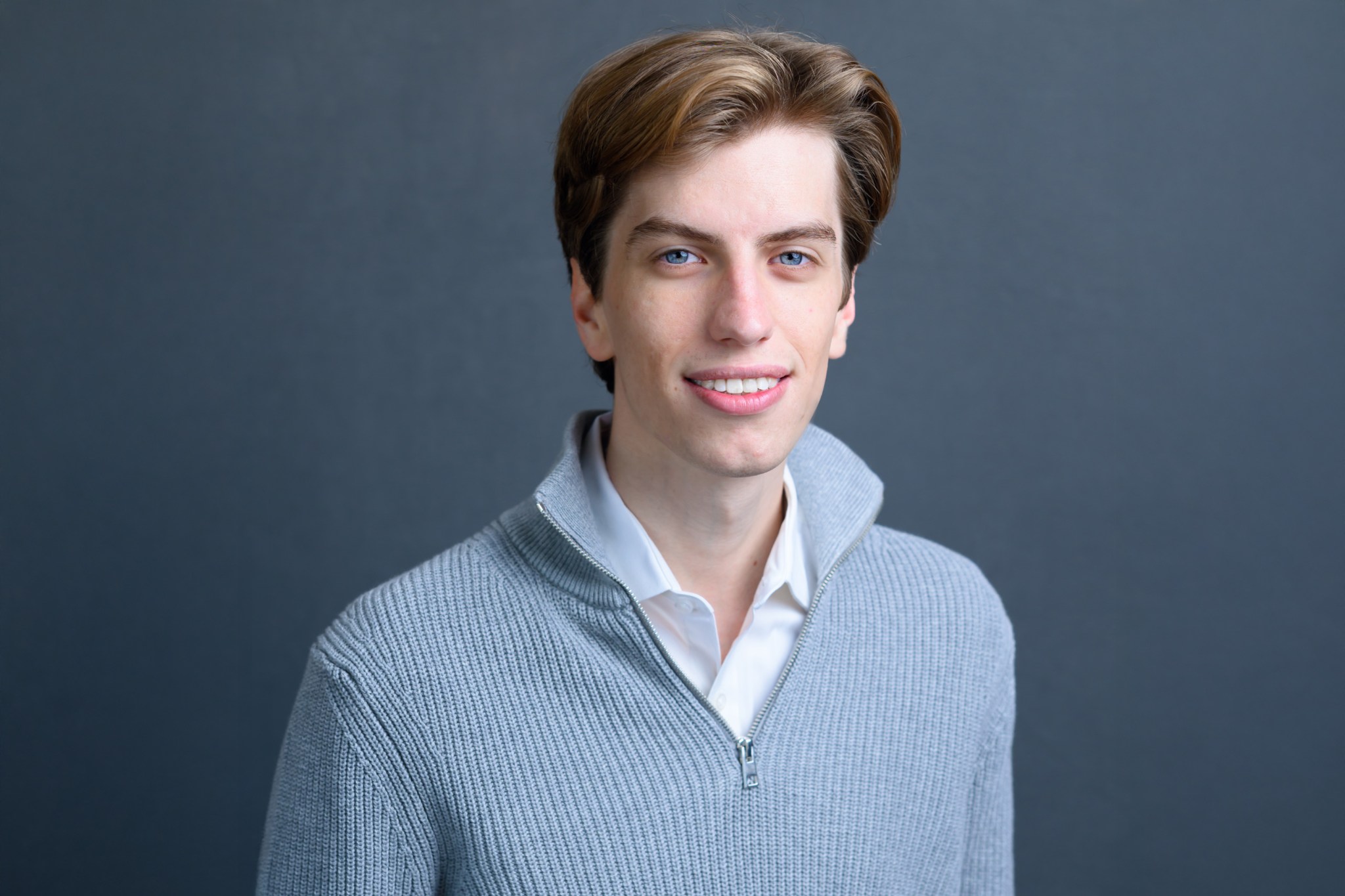
The Situational Awareness fund run by Leopold Aschenbrenner survived a sharp unwind in AI-related stocks this week, according to the Wall Street Journal. The turmoil came just before Aschenbrenner’s scheduled wedding in Carmel, California, to Avital Balwit, chief of staff to Anthropic CEO Dario Amodei.
Fortune reported in October that Aschenbrenner and Balwit were engaged. The Wall Street Journal reported that the wedding plans include a program of panels and breakouts, a ceremony at a Tuscan-style villa and a honeymoon send-off to a forest spa retreat.
What happened to Leopold Aschenbrenner’s hedge fund?
Aschenbrenner, who is in his twenties, had grown Situational Awareness to $45 billion in capital through concentrated wagers on AI infrastructure names, the Journal reported. Those positions included memory-chip and data-center companies such as CoreWeave, SK Hynix and SanDisk, according to the reports.
The Journal reported that the fund had borrowed heavily, with leverage of three to four times its capital. Leverage can lift gains when trades move in the right direction, but it also increases losses and can force selling when lenders demand more collateral.
The pressure intensified as investors questioned whether the wave of AI infrastructure spending would produce clear returns, according to the Journal. Memory-related stocks and some large technology names fell sharply, with SK Hynix and SanDisk down about 30%, and the semiconductor sector recorded its worst month since 2002, the Journal reported.
Rival traders identified parts of Aschenbrenner’s portfolio and sold those stocks short, betting he would be pushed into selling, according to the Journal. For readers looking for the basics, stock market mechanics explain how selling pressure and forced trades can move prices.
Reuters first reported a Thursday investor letter in which Aschenbrenner compared the episode to a bank run, writing that it involved “vulnerability begetting more vulnerability.” As lenders sought more collateral, he sold shares to meet those demands, which added to the pressure on prices, the Journal reported.
By Wednesday, Aschenbrenner had sought buyers for private holdings, Bloomberg reported. He approached Sequoia and Greenoaks about purchases that included a $3.5 billion portion of his Anthropic stake, but Bloomberg said that transaction did not go through.
The Journal reported that Stripe founders Patrick and John Collison, who were among Aschenbrenner’s backers, spent hours at his office as he negotiated with Citadel and Millennium past midnight. Before markets opened Thursday, Ken Griffin’s Citadel bought most of the fund’s public portfolio at a discount of more than 10% to market value, according to the Journal.
Aschenbrenner used the proceeds to repay lenders, the Journal reported. Situational Awareness was left with about $10 billion, while the Anthropic stake remained intact, according to the Journal.
In another Thursday letter to investors described by the Journal, Aschenbrenner said his short positions and leverage were gone. He wrote that the fund was down 67% for the month but still up 80% for the year, and said the fund had not been liquidated and would not close.
The Journal reported that Aschenbrenner offered investors individual calls the following week, the same period as his planned honeymoon. He also wrote, “I take full responsibility for these events,” according to the Journal.
Fortune reported that Aschenbrenner met Balwit at the FTX Future Fund and that his fund had backing from the Collisons, Nat Friedman and Daniel Gross. Fortune also reported that he shared an office with podcaster Dwarkesh Patel and hosted gatherings for OpenAI and Anthropic researchers.
Neither Situational Awareness nor Anthropic responded to Fortune’s request for comment. Balwit has previously joked on X about the small social circle around the wedding, writing that she asked planners for a “European Garden” theme while mentioning the “cusp of the singularity.”
This story draws on original reporting from Fortune.