
Saudi wealth fund shifts focus to drawing investment home
PIF governor Yasir Al-Rumayyan said Saudi Arabia wants to become a global hub as the fund puts more money into domestic projects.
By Hana Yoshida · Markets Reporter
3 min read
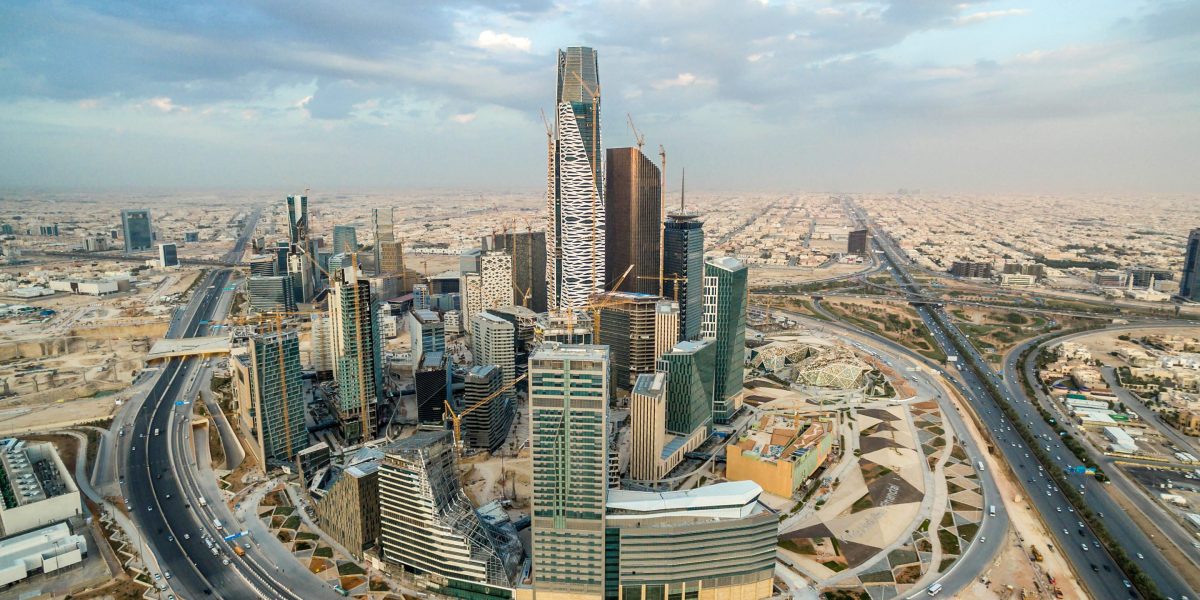
Saudi Arabia’s sovereign wealth fund is putting a sharper focus on making the kingdom a destination for global capital, Fortune reported. The shift matters because the Public Investment Fund is central to Crown Prince Mohammed bin Salman’s Vision 2030 plan to reduce the economy’s reliance on oil.
Yasir Al-Rumayyan, governor of the $1 trillion Public Investment Fund, described the new approach at the Future Investment Initiative Priority Europe summit in Rome last week, according to Fortune and Arab News. Al-Rumayyan said the fund’s new strategy is to bring global business and investment activity back to Saudi Arabia.
The PIF said its board recently approved its 2026-30 strategy, according to Fortune. The plan marks a change from an earlier emphasis on using overseas deals to tie Saudi Arabia more closely to the world economy.
Fortune reported that the fund is now directing 80% of its capital to investments inside Saudi Arabia. Its foreign allocation has fallen to 20% from a peak of 30%, while the kingdom has reduced emphasis on some expensive, slow-return megaprojects.
Domestic investment takes priority
The PIF is the main financing engine behind Saudi Arabia’s multitrillion-dollar Vision 2030 program, Fortune reported. That role has become harder as the government balances costly development plans with lower oil revenue, budget pressure and regional instability.
Fortune cited cutbacks across some of the kingdom’s high-profile projects, including Neom, the large economic zone under construction in northwestern Saudi Arabia. Neom’s centerpiece project, The Line, had been presented as a 106-mile linear city for 9 million residents, but Fortune reported that its first phase is being reduced to 1.5 miles.
Fortune also reported that Trojena, the planned ski resort at Neom, is being scaled down and will no longer host the 2029 Asian Winter Games as planned. The Financial Times reported earlier this year that Neom would place more emphasis on industrial sectors, including data centers.
Saudi Arabia still faces large spending needs as it prepares to host Expo 2030 and the 2034 FIFA World Cup, Fortune reported. Those commitments add to the pressure on the PIF to select projects that can support growth and produce returns.
Oil and geopolitics add pressure
Fortune reported that the war involving Iran and disruption around the Strait of Hormuz have added urgency to the fund’s reassessment. The outlet said reduced Saudi oil exports tied to the blockade followed years of weaker oil prices and expanding budget deficits.
Reuters reported that Riyadh has recorded only one budget surplus since 2013, in 2022, when oil prices rose above $100 a barrel. That backdrop helps explain why Saudi officials are trying to draw more business activity into the country rather than rely mainly on outward investment.
At the Rome summit, Al-Rumayyan also called for Aramco to expand international oil storage capacity in response to turbulence in energy markets, according to Fortune. He also called for what he described as “energy realism.”
Fortune reported that the recent interim peace deal between the United States and Iran has already faced strains. The outlet said continuing regional uncertainty could complicate Saudi Arabia’s effort to attract tourists, companies and foreign investors at the scale envisioned by Al-Rumayyan.
This story draws on original reporting from Fortune.