
Honeywell CEO urges faster US energy policy as AI lifts power demand
Vimal Kapur says the U.S. needs faster permitting, more LNG infrastructure, stronger grids and a broader fuel mix to meet rising demand.
By Maya Lindqvist · Senior Technology Correspondent
3 min read
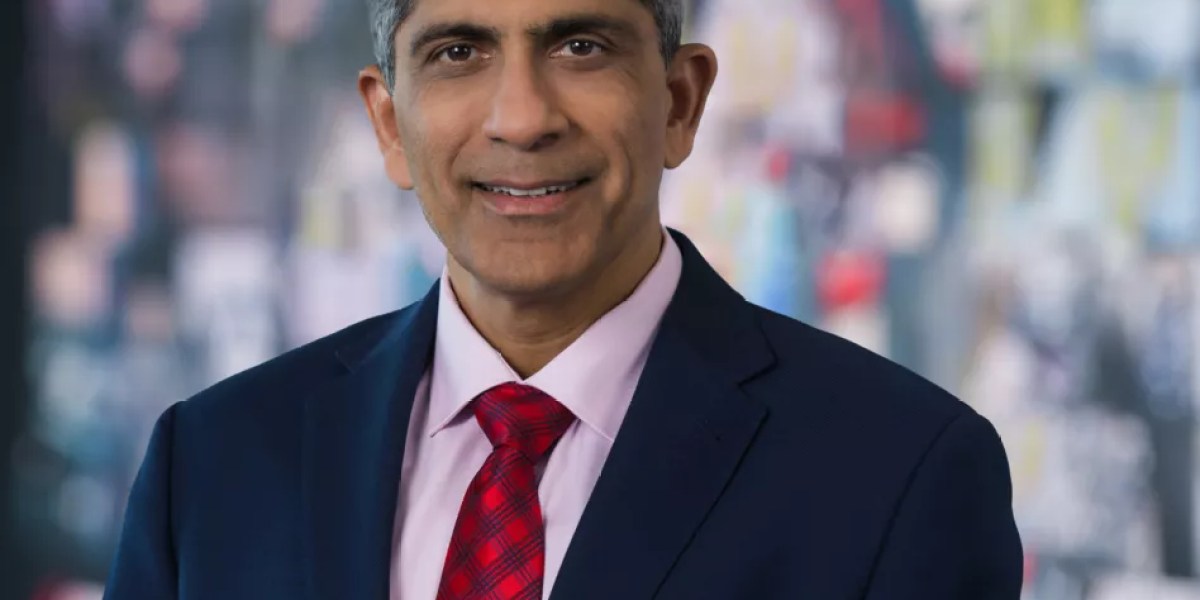
Honeywell Chairman and CEO Vimal Kapur is calling for faster U.S. energy policy as artificial intelligence, electrification and population growth push power demand higher. In a Fortune commentary, Kapur argued that the country can keep its energy lead only if it adds capacity quickly, strengthens delivery systems and broadens the fuels it uses.
Kapur said Honeywell worked with the MIT Center for Sustainability Science and Strategy to identify three priorities for U.S. energy leadership: build more capacity faster, make energy delivery smarter and more secure, and widen the energy mix.
Capacity and workforce needs
Kapur said global power demand is on course to roughly double as the world adds more than a billion people by mid-century and more economies electrify. He said AI will add to that pressure because data centers consume large amounts of electricity.
The United States is the world’s largest exporter of liquefied natural gas, Kapur said, but he argued that the main constraint is now labor rather than supply. He pointed to shortages of welders, pipefitters and plant operators, and called for apprenticeships, employer-led training and AI tools to help less-experienced workers.
Citing MIT, Kapur said AI-enabled operations could save as much as $80 billion a year in LNG production worldwide by 2050. He said policymakers should keep LNG rules predictable, set enforceable permitting timelines, support skilled-trades training and allow large power users to build on-site generation and connect to the grid under clear rules.
Kapur also said on-site, behind-the-meter power could help data center operators expand without waiting for grid upgrades or shifting costs to consumers. He cited fuel cells as one option for quicker deployment amid delays for gas turbines and long timelines for nuclear projects.
Grid storage, AI and cybersecurity
Kapur said the U.S. also needs to get more output and reliability from existing energy systems. He cited Texas during Winter Storm Heather in early 2024, saying battery storage helped free up three gigawatts of gas capacity and produced $750 million in savings after the state had worked to address weaknesses exposed by Winter Storm Uri in 2021.
He argued that the U.S. could become a stronger battery storage producer and said that would serve both industrial and national security goals. Kapur called for standardized storage rules across grid operators and longer-running incentives for domestic battery manufacturing.
AI could also cut U.S. energy production costs by an estimated $4 billion a year within five years and as much as $14 billion by 2050, Kapur said. He added that wider electrification and more connected industrial systems increase cyber risks, and said AI deployment should be paired with enforceable cybersecurity standards.
Broader fuel mix
Kapur said heavy transport, aviation, marine shipping and long-haul freight still require energy-dense fuels. He said sustainable aviation fuel remains costly but could become competitive at scale, and argued that U.S. agricultural feedstocks give the country an advantage in alternative fuels.
He also pointed to Venezuela’s effort to expand oil output, saying Gulf Coast refineries are built to process the kind of heavy crude Venezuela produces. Kapur said Africa’s demand for refined fuel will exceed six million barrels a day by mid-century while local capacity remains insufficient, creating overseas markets for American energy technology if backed by U.S. export finance.
Kapur said policy should extend clean fuel production credits, include marine fuel under the Renewable Fuel Standard and support American energy technology abroad. His argument centers on speed: demand is rising now, he said, and the U.S. needs rules and investment signals that move quickly enough to meet it.
This story draws on original reporting from Fortune.