
RTA Outdoor Living says Google reviews pass 1,000 for online kitchen model
The company sells $20,000 to $80,000 custom outdoor kitchens through a virtual process built around design support and project management.
By Sofia Marchetti · World Affairs Correspondent
3 min read
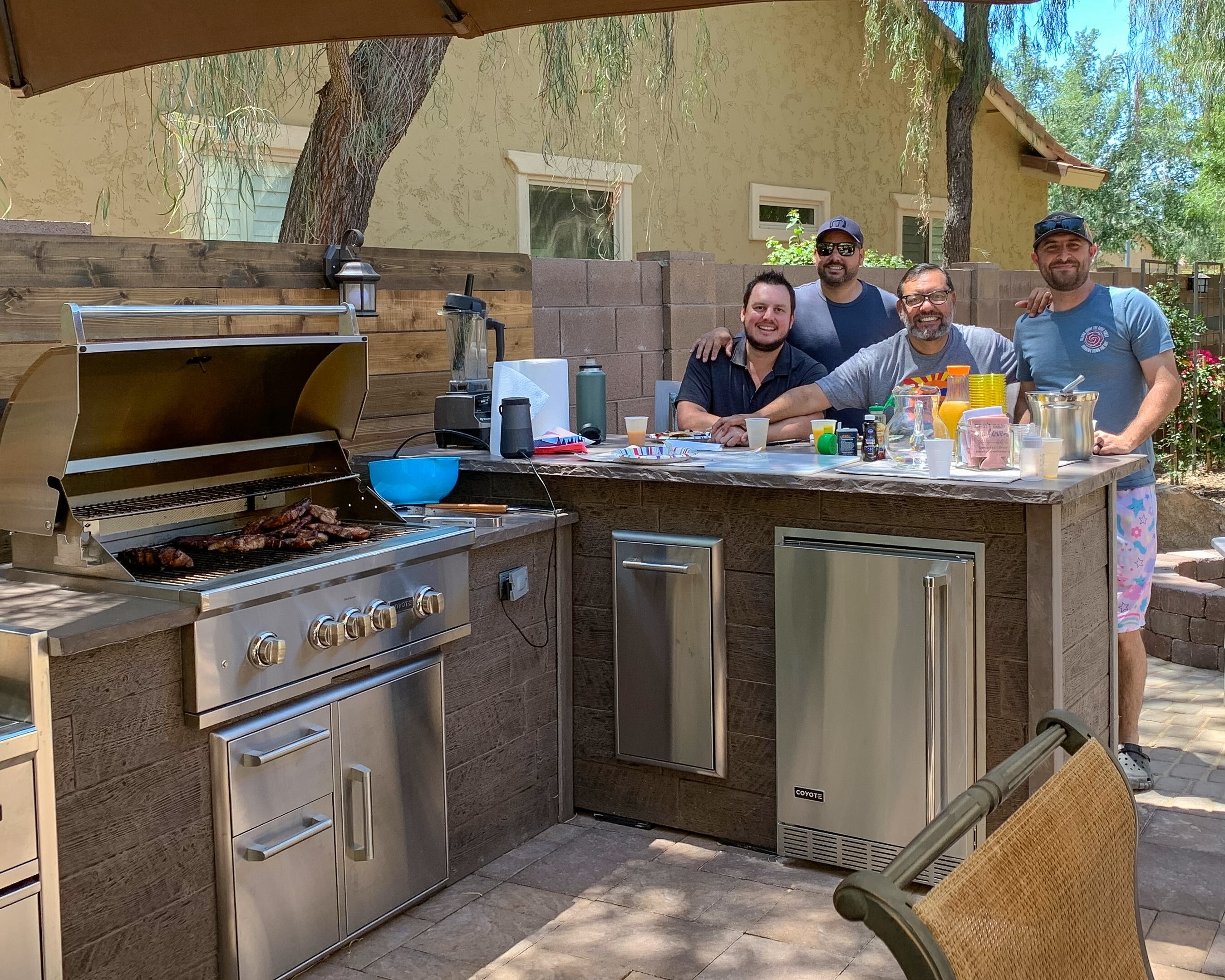
RTA Outdoor Living says it has passed 1,000 Google reviews while holding a 5-star rating, a notable marker for a company selling high-priced custom outdoor kitchens without showrooms or in-person previews. The milestone puts attention on how the company manages customer confidence in a category where purchases can run from about $20,000 to $80,000.
The company sells made-to-order outdoor kitchens through a virtual process that covers design, material and appliance selections, production, freight delivery and installation support. For buyers, that means committing to a large home project before seeing the finished kitchen on site.
Outdoor kitchen projects often involve several points of risk: measurements must be right, heavy components have to arrive intact, and delivery access can affect installation timing. RTA has built its model around a Customer Success team that stays involved through those steps rather than limiting service to post-sale issue handling.
An analysis of 958 reviews completed as the company approached the 1,000-review mark found that customers mentioned “design” 454 times and “process” 452 times, ahead of “product” at 333 and “service” at 316, according to RTA. About 40% of the reviews named at least one employee.
Those figures suggest buyers are judging the overall experience, not only the completed kitchen. That distinction matters for a remote sales model, where project management has to replace much of the reassurance a showroom or contractor visit would usually provide.
The fully virtual custom outdoor kitchen process includes customer measurements, design approvals, made-to-order production and nationwide shipping. The finished units travel through third-party freight networks in large protective crates, which can create delays or delivery complications outside the company’s direct control.
RTA pointed to a Tennessee project as an example of how its service model works when a job goes wrong. After a manufacturing delay, the freight carrier destroyed the customer’s kitchen in transit; the customer threatened to cancel, and RTA’s manufacturing team in Cambridge City, Indiana, loaded a replacement, drove it to Tennessee and installed it themselves the following week. The customer later posted a 5-star review.
“Core values shouldn’t just be words on a poster in the office,” Kevin Margera, RTA’s director of operations, said. “The real test is how you respond when something goes wrong. Our customers know we take ownership, communicate honestly and work until the issue is resolved.”
RTA said it tracks the experience through Net Promoter Score surveys and an internal measure it calls PCX, short for Perfect Customer Experience. The company organizes that work around four internal principles: Do the Right Thing Unconditionally, Serve Remarkably, Be the Expert Guide and Consistently Excellent.
Margera said the “expert guide” role means educating customers, answering questions directly and setting expectations before problems arise. RTA invites customers to leave Google reviews after completion and says it does not offer incentives, discounts, gifts or compensation in exchange.