
Road deaths fall globally, but poorer countries see far less progress
A Lancet Public Health study and WHO data show fewer road deaths overall, while low-income countries bear most of the toll.
By Daniel Okafor · Business Editor
3 min read
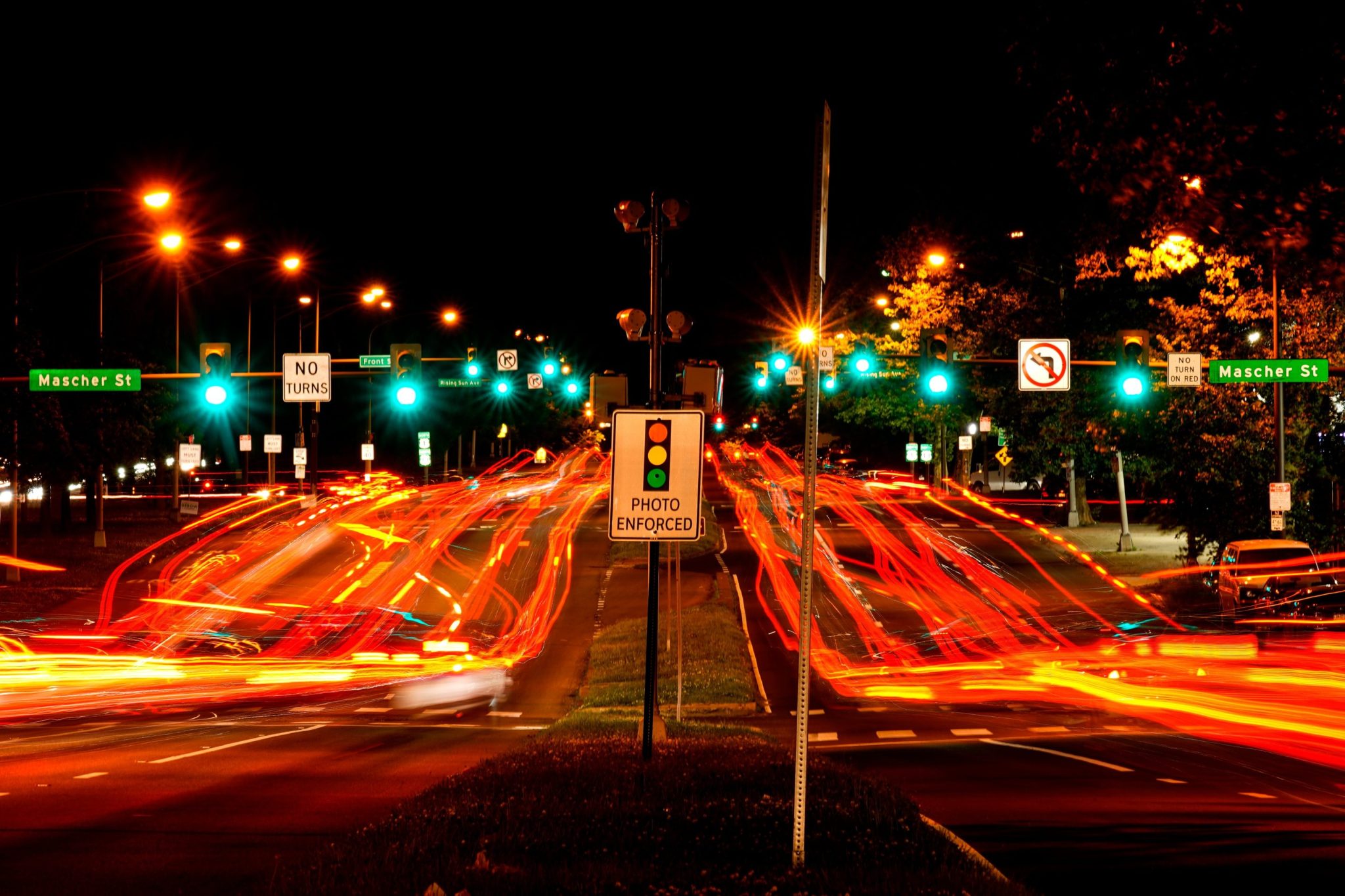
Road deaths and injuries have declined worldwide over recent decades, but the gains have been uneven, according to a study published Monday in Lancet Public Health. The findings underscore a public health gap: researchers said low-income countries now account for about 90% of road deaths even though richer nations have seen stronger safety gains.
The study, led by researchers at the University of Washington’s Institute for Health Metrics and Evaluation, found that global rates of road injuries and deaths each dropped by more than 30% from 1990 to 2023. The authors said the pattern differed sharply by country, with some places seeing little improvement.
The World Health Organization released separate figures Monday showing a 21% decline in road traffic deaths from 2011 to 2025. Even with that drop, the WHO said traffic crashes killed more than 1.1 million people last year and remained the top cause of death for children and young people ages 5 to 29.
Safety gains have not reached every country
Road deaths include fatal injuries to pedestrians, cyclists and people traveling in cars, trucks and other vehicles. Because some countries do not have complete records, the Lancet Public Health researchers used available data to estimate death and injury rates.
The researchers found higher road injury rates in high-income countries, but said deaths are concentrated in low-income countries. They linked that split in part to rapid urban growth and increased use of motor vehicles in places where safety systems have not expanded at the same pace.
High-income countries are more likely to have policies and technology that reduce crash deaths, according to the study. The authors cited seat belt requirements and vehicle features such as air bags as examples of protections that are more common in wealthier countries.
Liane Ong, the senior author of the Lancet Public Health paper, said in a statement that outcomes depend on more than the crash itself. She said prevention systems and protections after crashes shape whether people are injured or killed.
U.S. trends remain mixed
The study found that pedestrian and vehicle occupant deaths increased between 1990 and 2023 in six countries, including the United States. More recent U.S. figures point to improvement, with road deaths falling in 2024 and 2025, according to data cited in the report.
The National Highway Traffic Safety Administration said U.S. traffic deaths rose during the past decade and reached more than 43,000 in 2021 before declining. The agency estimated that fatalities fell to about 36,600 last year.
The Lancet Public Health authors also pointed to factors that may have pushed U.S. deaths higher, including the spread of taller and larger passenger vehicles. U.S. officials have said distracted driving, including phone use behind the wheel, is tied to thousands of deaths each year.
Pedestrian deaths in the United States have also begun to ease, according to the Governors Highway Safety Association. The group recently reported that drivers killed 7% fewer people walking on U.S. roads in 2025 than a year earlier, the largest annual reduction since pedestrian deaths started falling three years ago, though the total remained above pre-pandemic levels.
The WHO has treated road safety as a global public health priority for more than 20 years. The Lancet Public Health report was released as a two-day United Nations high-level meeting on global road safety began in New York City.
This story draws on original reporting from Fortune.