
Researchers launch effort to make AI sustainability measurable
Sasha Luccioni and Boris Gamazaychikov formed the Sustainable AI Group to help companies assess and reduce AI’s environmental costs.
By Sofia Marchetti · World Affairs Correspondent
3 min read
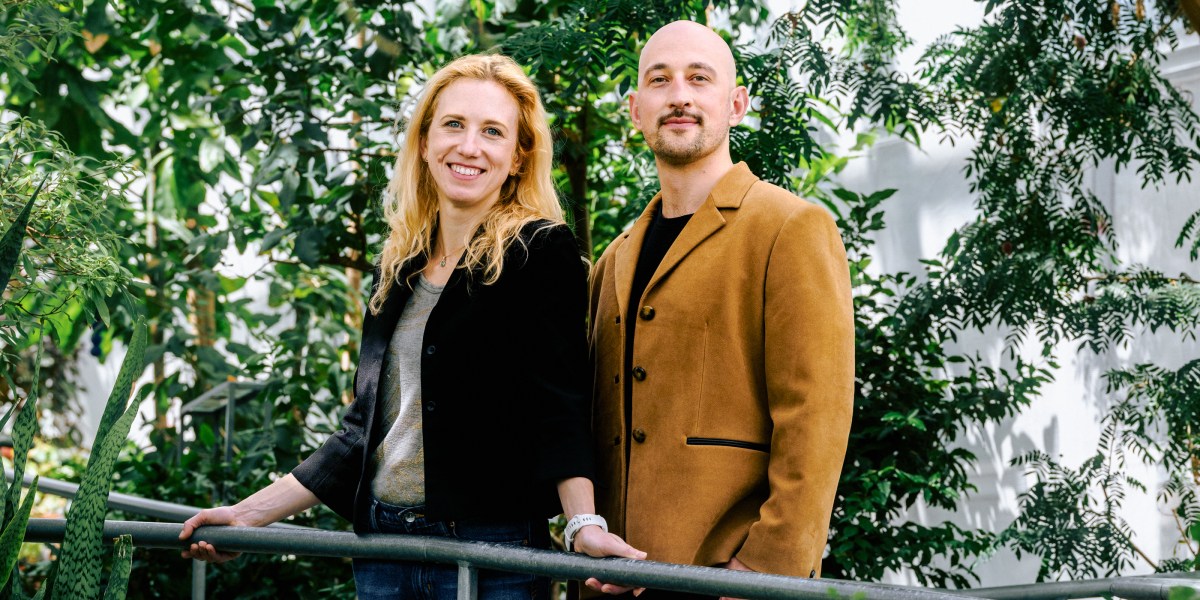
Sasha Luccioni and Boris Gamazaychikov have started the Sustainable AI Group, an effort aimed at helping companies make AI choices with measurable environmental goals, Fortune reported. The launch comes as the AI industry’s demand for computing power, electricity and data centers has pushed sustainability concerns out of many public discussions, according to Fortune.
Luccioni is the former AI and climate lead at Hugging Face, while Gamazaychikov previously led AI sustainability work at Salesforce, Fortune reported. The two plan to offer environmental impact studies, research-based advice on AI strategy and purchasing, and tools that developers and business leaders can use when deciding how to deploy AI, according to Fortune.
Luccioni told Fortune that many companies still care about internal sustainability targets even as the public debate around AI has shifted toward competition for compute and geopolitical advantage. She said the group wants to help organizations understand choices such as where models run and which types of models they use, with the goal of cutting emissions and reducing risk tied to AI adoption.
Data centers bring cost and resource pressures
Luccioni told Fortune that modern AI systems can expose companies to unstable energy costs, supply constraints, regulatory questions and pressure from workers and local communities. She pointed to data centers, high-heat chips and servers, and cooling systems as central parts of the environmental challenge.
According to Fortune, Luccioni said companies can make sustainability decisions at each layer of the AI stack. Those decisions can include using a smaller fine-tuned model instead of a frontier large language model, or choosing data center capacity powered by renewable energy rather than gas.
Luccioni also told Fortune that employees are raising concerns inside companies about the environmental effects of using AI at work. She said criticism of AI data centers has become a bipartisan issue in government and on social media.
Water use remains a confusing part of the debate, Luccioni told Fortune. She said cooling systems often involve a tradeoff: traditional evaporative systems require water to be replaced, while closed-loop systems reuse water but need extra energy to keep it cool.
Smaller models may fit many business uses
Luccioni told Fortune that much of the data center debate assumes widespread use of large, general-purpose generative AI models. She said many business tasks may not require those systems.
According to Fortune, Luccioni cited examples such as improving energy use in factories or helping employees search internal documents. In some cases, she said, smaller specialized models can run locally or on company premises, which can reduce energy needs and address data privacy concerns.
Luccioni told Fortune that companies should first define what they need AI to accomplish, then pick the most efficient system that can do the job. She said organizations rushing to adopt AI should instead set clear performance indicators, given the cost and commitment involved.
Luccioni also said customer demand could push the AI industry toward greener choices, Fortune reported. If buyers start asking about renewable-powered infrastructure, carbon intensity and sustainability during procurement, she said providers may respond.
Fortune reported that Luccioni does not see efficiency gains alone as a complete answer, because demand for compute continues to grow as companies expand AI use. Still, she said existing interest from companies and Gamazaychikov’s prior work with Salesforce clients give the Sustainable AI Group room to make progress.
This story draws on original reporting from Fortune.