
Quantum sensors could help find hidden damage in aging U.S. bridges
Researchers say advanced sensors may help engineers spot corrosion, fatigue and scour between bridge inspections, though they cannot replace inspectors.
By Maya Lindqvist · Senior Technology Correspondent
4 min read
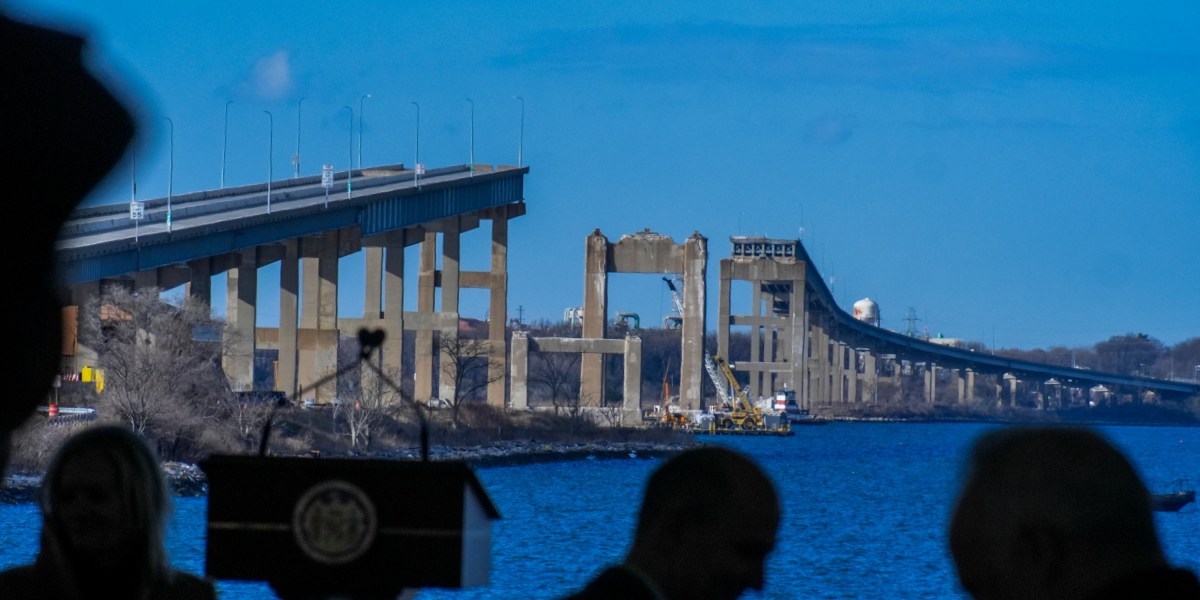
More than 40,000 U.S. highway bridges carry a poor structural rating, and researchers say newer sensing tools could help find damage that drivers and inspectors may not see from the roadway. Alex Krasnok, an assistant professor of electrical and computer engineering at Florida International University, wrote in The Conversation that quantum sensors may eventually help engineers identify hidden deterioration before it becomes visible.
The American Road & Transportation Builders Association, using Federal Highway Administration National Bridge Inventory data, reported that the United States has more than 624,000 highway bridges. ARTBA said about 220,000 need major repair or replacement, and 41,677 are rated poor, a category also described as structurally deficient.
ARTBA said a poor rating does not mean a bridge is unsafe. It means at least one major component has been rated poor because of deterioration or cracking that will require significant repair.
Inspections catch problems, but only at intervals
Federal bridge inspections stem from National Bridge Inspection Standards mandated by Congress in 1968, according to the Federal Highway Administration. Current federal rules generally require many bridges to be inspected at least every 24 months, while higher-risk bridges can face shorter inspection cycles and lower-risk bridges can qualify for longer ones.
Krasnok said those inspections remain essential, but they provide only periodic views of a structure. Corrosion can spread beneath a deck, a crack can grow inside a weld, or water can remove soil around a foundation between scheduled checks, he wrote.
The main hidden threats Krasnok identified are corrosion, fatigue and scour. Corrosion can begin when water, oxygen and salts reach steel protected by concrete; fatigue can come from repeated stress cycles caused by heavy traffic; and scour occurs when moving water strips soil from around bridge foundations.
Repair costs rise as damage advances
The Infrastructure Report Card says the average U.S. bridge is about 47 years old and many are near or beyond their intended 50-year design life. It also says about 45% have exceeded their planned design lives.
ARTBA estimated that completing all identified necessary U.S. bridge repairs would cost about $467 billion. Krasnok wrote that preserving bridges in fair condition usually costs less than repairing bridges after they have fallen into poor condition.
Past failures show the stakes of small structural details. The National Transportation Safety Board found that the 2007 collapse of the I-35W bridge in Minneapolis was partly linked to undersized gusset plates, along with added weight and construction loads; Minnesota legislative materials say 13 people were killed and 145 were injured.
What sensors can add
Krasnok said bridge sensors can help engineers see, hear and scan for signs of trouble. Drones can photograph cracks and loose concrete, infrared cameras can detect heat patterns associated with damaged deck areas, and LiDAR can produce three-dimensional maps.
Other tools use sound or vibration. Krasnok cited ultrasonic testing, impact-echo probes, acoustic emission sensors and accelerometers as methods that can help detect internal flaws or changes in how a bridge responds to stress.
Subsurface tools, including ground-penetrating radar and magnetic or electrical instruments, can help locate buried steel, moisture, voids or signs of corrosion, according to Krasnok. He also cited research showing that existing telecommunications cables can record bridge vibration signatures.
Quantum sensors remain early-stage for bridges
Quantum sensors use atoms, electron spins or light as highly sensitive probes, Krasnok wrote. For bridges, he said the nearest-term use may be magnetic inspection, where quantum magnetometers could map weak magnetic fields near steel, cables or electrical conductors.
Krasnok and colleagues co-authored a review, not yet peer-reviewed, on quantum magnetometers for infrastructure inspection. He wrote that such devices could help identify hidden rust, broken wire strands inside thick suspension cables or abnormal stress points before cracks appear.
He cautioned that sensors do not decide whether a bridge should be repaired, restricted or closed. Engineers still have to weigh design, inspection records, traffic, weather, material condition and uncertainty in the measurements.
Krasnok said the main challenge is making quantum devices useful on bridges exposed to traffic, weather, steel and electrical interference. Their value, he wrote, will depend on whether they outperform cheaper conventional tools under real inspection conditions.
This story draws on original reporting from Fortune.