
Produce prices climb as weather, trade and transport costs squeeze supply
Lettuce, tomatoes and other produce have grown costlier as farms and shippers face a mix of weather losses, duties, labor pressure and fuel costs.
By Sofia Marchetti · World Affairs Correspondent
3 min read
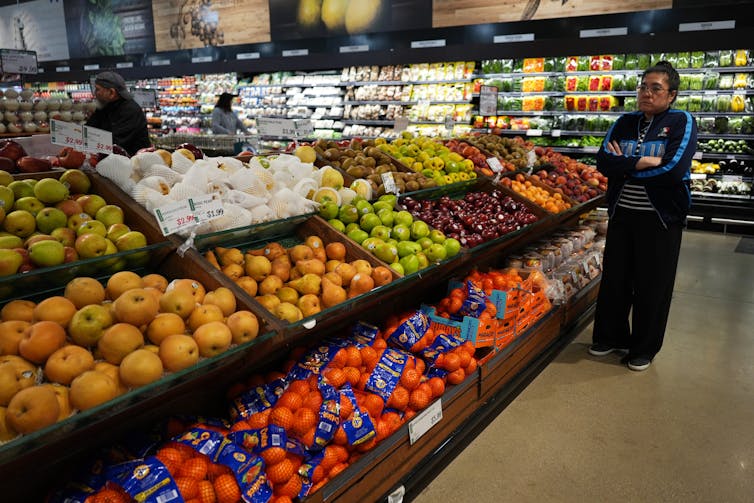
Fresh produce has become a sharper strain on grocery budgets, with federal price data showing steep increases for several staples. Agricultural economist Elizabeth Canales of Mississippi State University says the pressure comes from several directions at once, including weather damage, labor costs, trade policy, fertilizer and transportation.
According to U.S. Bureau of Labor Statistics consumer price data cited by Canales, tomato prices rose about 20% from June 2025 to June 2026. Lettuce increased about 32% over the same period, while fresh vegetables overall were up about 10%.
Fruit prices rose less quickly, according to the same data. Canales said apples were up 7% and citrus fruit rose 6%.
Weather and imports tightened supply
Canales said weather disruptions have reduced output and helped lift prices. Freezes in Florida in early 2026 damaged crops including citrus, strawberries, blueberries, tomatoes and sweet corn, according to Florida agriculture officials cited in her analysis.
Imports also carry a large share of the U.S. produce supply, especially during winter and early spring, when domestic production is more limited. Canales said prices are more exposed when bad weather overlaps with changes in trade policy.
Tomatoes show that connection. The U.S. Commerce Department withdrew in June 2025 from the U.S.-Mexico Tomato Suspension Agreement, ending duty-free access for many Mexican tomatoes and imposing a 17% antidumping duty on most imports, according to reporting and government actions cited by Canales.
Canales said imports make up about three-quarters of the U.S. tomato supply, with Mexico providing most foreign-grown tomatoes. She also cited reports that Mexican tomato production fell after the agreement ended and that tomato imports declined 13% from a year earlier, reducing supply further.
Farm and shipping costs added pressure
Canales said produce farming remains heavily dependent on labor, and worker shortages have pushed farms to pay higher wages. Growers have reported that labor costs are adding to production expenses, she wrote.
Fertilizer has also become more expensive. Canales cited U.S. government data showing fertilizer prices paid to manufacturers rose more than 20% year over year in June 2026, while nitrogen fertilizer prices increased 46%.
She linked those fertilizer increases to disruptions tied to the Iran war, including effects on goods moving through the Strait of Hormuz. The same conflict has raised fuel costs, which Canales said were up about 27% over the year.
Higher fuel costs affect produce after it leaves the farm. Refrigerated truck rates, which are central to moving fresh fruits and vegetables, were 20% higher in June 2026 than in June 2025, according to U.S. Department of Agriculture data cited by Canales.
Retail prices do not reflect farm costs alone. Canales said producer costs account for about one-third of the retail price for fresh produce, meaning pressure can build at several points between the field and the checkout lane.
Shoppers shift to cheaper options
Canales said higher food prices hit low-income households hardest because food takes a larger share of their budgets. A May 2026 shopper survey she cited found that one in three households had cut fresh produce purchases because of cost.
Some foods have seen less inflation, according to Bureau of Labor Statistics data cited by Canales. She pointed to bananas, oranges, potatoes, dried beans, peas and lentils as examples of lower-cost alternatives.
Canned and frozen fruits and vegetables may also offer relief. Canales said processed produce prices rose 3% year over year, while frozen produce increased 2.4%, partly because longer shelf life makes those products less exposed to weather and transport shocks.
Consumers are already changing habits. The same May 2026 survey found that one in five shoppers had moved from fresh to frozen produce, according to Canales.
Canales said broad relief may be slow because the causes of produce inflation span farming, imports, energy and transport. For shoppers, that means high prices in the produce aisle could persist even as they look for cheaper substitutes.
This story draws on original reporting from Fortune.