
Private jet operators say jet fuel fears did not become shortages
Jet Linx and Elevate Jet told Fortune fuel prices rose, but availability did not dry up during the Strait of Hormuz disruption.
By Daniel Okafor · Business Editor
2 min read
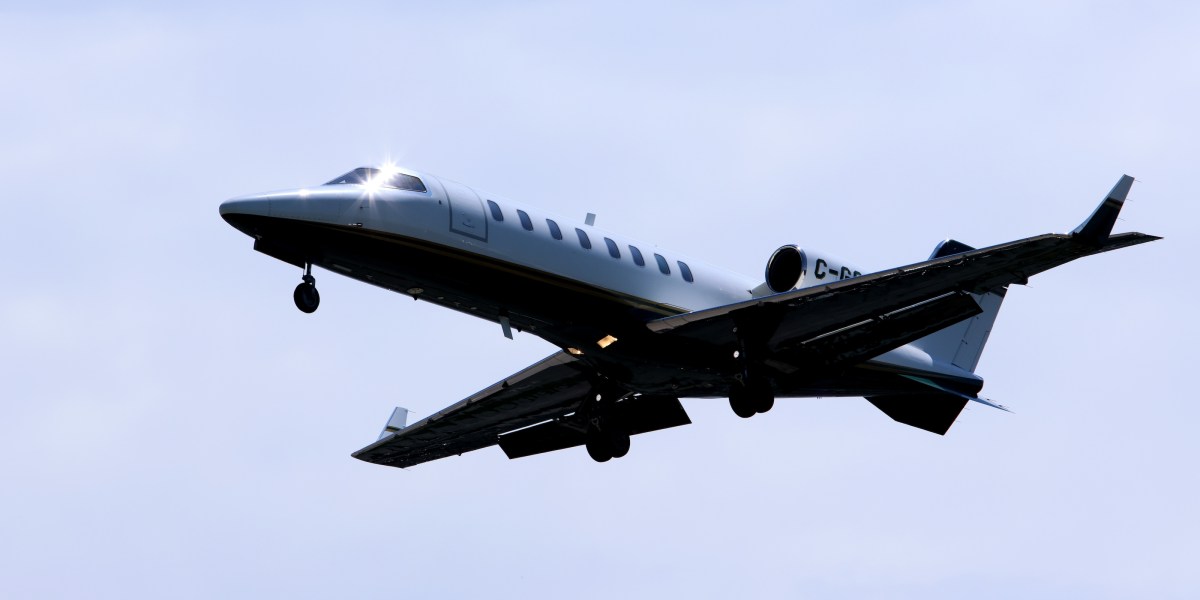
Private aviation executives told Fortune that feared jet fuel shortages did not materialize, even as turmoil around Iran and the Strait of Hormuz pushed up prices. Their accounts matter for travelers because airlines had cut seats and warned of pressure from fuel costs during months of concern over supply.
Fortune reported that passengers had worried flights could be canceled because about 20% of global supply passes through the Strait of Hormuz. The International Energy Agency had said at one point that Europe had “maybe six weeks” of supply left, according to Fortune, and commercial carriers canceled thousands of seats.
Jamie Walker, chief executive of Jet Linx, told Fortune the company had not encountered fuel shortages in U.S. operations or on European trips. Jet Linx manages about 100 aircraft across 22 locations, according to Fortune.
Walker said the company had seen higher prices but had not found airports unable to supply fuel where it operated, Fortune reported. He also said Jet Linx’s jet-card sales were up 80% and that U.S. production had increased sixfold, with fuel being exported to Europe to address tight supply there.
Greg Raiff, chief executive of private jet services company Elevate Jet, previously gave Fortune a similar account. Raiff told Fortune that his company was buying jet fuel from the same supply points as airlines and had not seen an availability problem.
The public assessment has also shifted. European Union transport commissioner Apostolos Tzitzikostas said in early June that Europe did not have a jet fuel shortage and that officials saw no indication one was coming, Reuters reported.
Tzitzikostas also said some airlines were canceling routes that no longer made economic sense, according to Reuters. Raiff had previously told Fortune he suspected some commercial carriers were using fuel concerns to exit routes that became less profitable after fuel prices rose.
Saudi shipments have added to the picture. Reuters reported that Saudi Arabia was projected to send 118,000 barrels per day of jet fuel in June and described those flows as higher than before the Strait of Hormuz closure.
The dispute centered less on whether fuel became more expensive and more on whether supply was close to running out. The private aviation executives cited by Fortune said prices climbed, but they said they did not see the kind of shortage that would leave aircraft unable to refuel.
This story draws on original reporting from Fortune.