
Data center backlash stalls $130 billion in projects, report says
Data Center Watch says at least 75 U.S. projects were delayed or canceled in the first quarter as opposition groups spread across 49 states.
By Hana Yoshida · Markets Reporter
3 min read
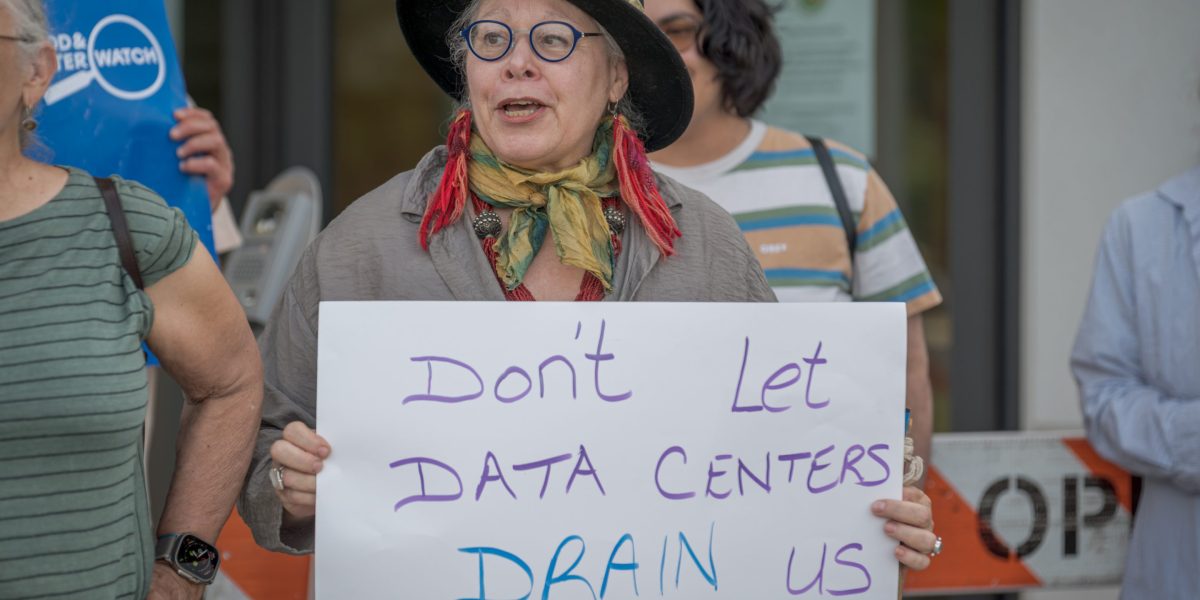
Opposition to U.S. data centers is slowing proposed construction as AI demand pushes developers into more communities. Data Center Watch said this month that at least 75 projects, valued at more than $130 billion, were delayed or canceled in the first three months of 2026.
The research firm said resistance in the first quarter reached a level comparable to all of 2025. It counted 833 active opposition groups by the end of March, up from 396 at the end of last year, with activity across 49 states.
One recent example came in Wake County, North Carolina, where Natelli Investments withdrew annexation and rezoning requests for a proposed data center campus. Fortune reported that the project was expected to cover about 190 acres and include six buildings of about 70 feet each, tied to a proposed 250-megawatt facility.
Natelli cited changes to zoning ordinances that set back construction, according to Fortune. The withdrawal also followed protests, petitions and public meetings where residents raised concerns about water use, air quality and higher utility costs.
Resident Lorraine McAvoy told local media last year that infrastructure upgrades tied to such projects would not be paid by the developer, saying the cost would fall on utility customers.
Resistance spreads into politics
Data Center Watch lead researcher Miquel Vila told Fortune that data center opposition has moved beyond individual neighborhood fights and entered broader political debate. He said communities, state-level groups and national organizations are now shaping the discussion.
About a dozen states have introduced moratorium proposals for data center construction, according to Fortune. New York recently passed legislation pausing permits for large data centers for one year, while similar efforts in Maine and Oklahoma failed, according to the National Conference of State Legislatures as cited by Fortune.
Public opinion has also shifted. Heatmap Pro found in a poll this month that seven in 10 Americans oppose data centers being built near homes, according to Fortune. Fortune also reported on studies projecting that data center expansion could raise wholesale electricity costs by 6% to 29% by the end of the decade, and on projections that environmental and public health costs from AI infrastructure growth could reach $25 billion a year.
Data Center Watch said opposition is growing at both the local and national levels. Fortune reported that Greenpeace, Friends of the Earth and the NAACP have backed a coalition of 500 groups opposing unrestricted data center construction.
AI investor Kevin O’Leary, who is backing a $100 billion data center project in Utah, has claimed national groups opposing such projects receive money from Chinese entities, Fortune reported. Experts cited by Fortune said the resistance appears organic and that there is little evidence supporting claims of Chinese interference.
Rural projects bring new fights
Vila told Fortune that data center development is expanding beyond established markets such as Northern Virginia and Northern California into rural communities. He said those areas often have less experience with large-scale data center proposals, making public meetings harder for developers and local officials.
Data Center Watch said some resistance has formed before formal project filings, with rumors alone triggering organized opposition in some places.
The politics are not confined to one party. Heatmap Pro found opposition strongest among Democrats and young people but said support fell across the public, according to Fortune. In South Carolina, a Republican-led bill to restrict data center tax incentives and subsidies is in the Ways and Means Committee, Fortune reported.
Data Center Watch said other barriers include regulatory requirements, limited utility capacity and an aging power grid. JPMorgan Chase projects $5.8 trillion in global grid upgrade investment over the next decade, including more than $1 trillion in the U.S., according to Fortune.
Vila told Fortune he does not expect opposition to stop all data center construction. He said more disputes may shift from town halls to courtrooms as opponents hire lawyers to challenge developers.
This story draws on original reporting from Fortune.