
Prime Day online sales reach $26.4 billion across US retailers
Adobe said U.S. online spending during Amazon’s four-day sale narrowly topped its forecast, while household spending on Amazon fell in Numerator’s data.
By Sofia Marchetti · World Affairs Correspondent
2 min read
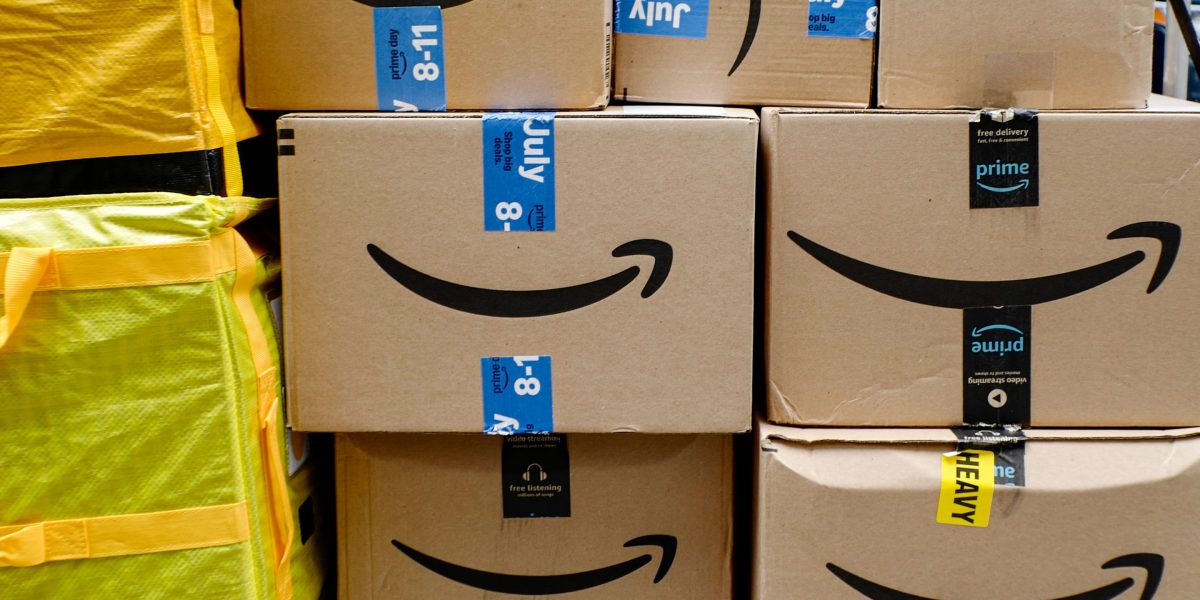
U.S. shoppers spent $26.4 billion online across retailers during Amazon.com Inc.’s Prime Day event, Adobe Inc. said, edging past the firm’s prior estimate of $26.3 billion. The result gives retailers and analysts another read on consumer demand during one of the year’s closely watched e-commerce promotions.
Adobe said spending during the four-day sale rose 9.3% from last year’s Prime Day period in July. The company tracks visits to retail websites, and its tally covers online purchases across U.S. retailers, not just Amazon.
Amazon’s event ended Friday, while rivals including Walmart Inc. and Target Corp. ran promotions over the same stretch, according to Adobe. Those overlapping sales have made Prime Day a broader online shopping window, with many retailers trying to capture buyers already looking for discounts.
Adobe said markdowns across retailers were roughly in line with last year’s levels. Electronics and apparel had the deepest average discounts, at about 24% in each category, according to the firm.
Shoppers also kept using deferred-payment tools. Adobe said “buy now, pay later” options accounted for 6.6% of all orders during the period.
Other firms tracking the event reported a more mixed picture for Amazon itself. Consumer research firm Numerator said the average household spent $143 on Amazon during the four-day event as of 4 p.m. Friday in New York, down 8.3% from last year’s sale.
Numerator said its figures are based on spending data from more than 59,000 households. The firm said protein shakes, trash bags and cat treats were among the top-selling items on Amazon during the event.
PMG, a global marketing firm that also monitors Prime Day, said Amazon’s discounts were lighter this year than during last year’s sale. Adobe’s broader data, by contrast, pointed to discounts across retailers that were similar to the prior year.
Amazon does not disclose detailed Prime Day sales figures. In a Saturday statement, the company said it was “pleased with the positive customer response.”
Amazon had pushed back earlier in the week on outside measurements of the sale. The company said external data sources on Prime Day are “often inaccurate.”
The competing readings show why Prime Day has become a closely monitored event beyond Amazon’s own business. Adobe’s total suggests U.S. online spending remained strong during the promotional period, while Numerator’s household data showed lower average spending on Amazon than a year earlier.
This story draws on original reporting from Fortune.