
ACA enrollment falls by about 3 million after subsidies expire
Federal data show marketplace coverage dropped 13% in February, with analysts pointing to higher premiums after enhanced subsidies ended.
By Maya Lindqvist · Senior Technology Correspondent
3 min read
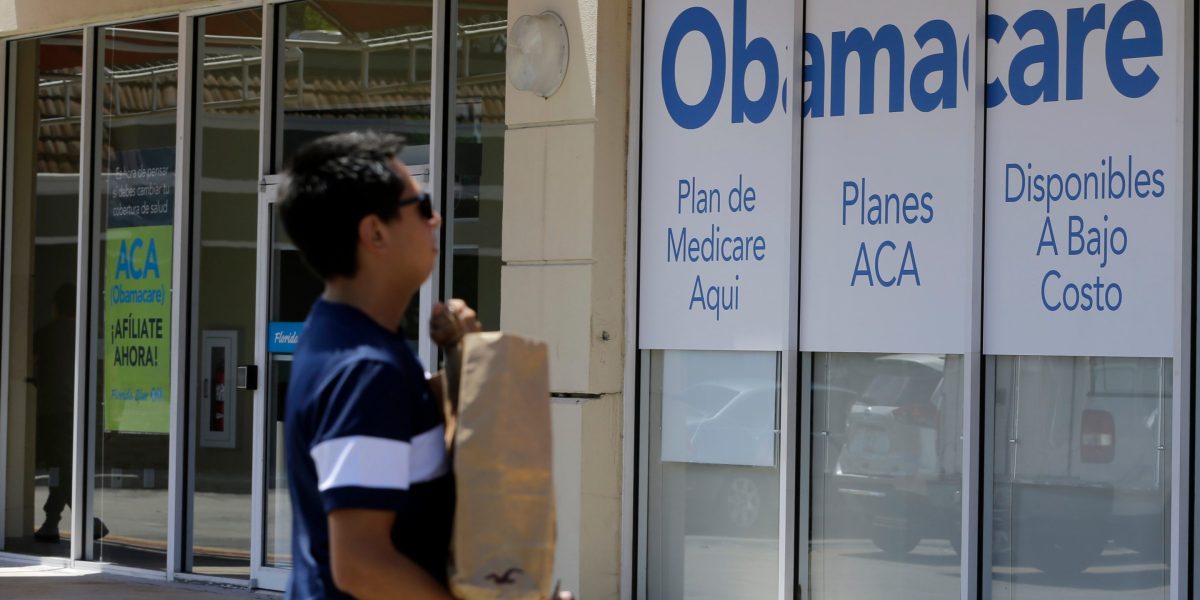
Enrollment in Affordable Care Act marketplace plans fell by about 3 million people from a year earlier, according to new federal data released Friday. The decline offers an early official measure of how higher premium bills may be reshaping coverage for people who buy insurance outside an employer plan.
The U.S. Department of Health and Human Services reported that 19.2 million people had ACA plans in February, down from 22.1 million in February 2025. HHS said in the report that the 13% decline could be tied to federal efforts to stop fraudulent or “phantom” enrollments.
Health analysts cited by The Associated Press said the bigger factor was likely the expiration of enhanced federal subsidies on Jan. 1. Those subsidies had lowered plan costs, and their end led to steep premium increases for many enrollees, according to the AP.
Cynthia Cox, a vice president and director of the ACA program at the health research nonprofit KFF, told the AP that survey data show people with actual coverage left their plans. Cox said the coverage losses came as millions of consumers saw premium payments rise by double-digit or triple-digit percentages.
Why the February figures matter
The data were compiled in April and reflect coverage in February, according to the HHS report. That timing matters because it captures enrollment after a grace period for people who had not paid their first premium bills, giving a clearer picture of who remained covered.
A federal estimate released in January had shown ACA sign-ups running about 800,000 below the same point in the prior year, the AP reported. That marked the first year-over-year decline at that stage of open enrollment in four years, according to the AP.
KFF expects enrollment to keep falling during the year, Cox told the AP. The group projects the program could drop to about 17.5 million people.
The ACA marketplaces are the federal government’s main subsidized insurance option for working-age people who do not qualify for Medicaid and lack coverage through a job, according to the AP. In recent years, the plans have drawn workers in jobs and businesses that often do not provide employer insurance, including gig workers, farmers, ranchers and hairstylists.
Subsidies remain a political fight
The enhanced ACA subsidies became a major dispute in Congress last fall, according to the AP. Democrats and some Republicans supported extending them, but the assistance expired at the start of the year.
The enrollment drop comes as voters are focused on affordability ahead of the November elections, the AP reported. Rising health costs have affected ACA plans and other insurance programs, keeping health care expenses in the political debate.
HHS framed the decline partly through its anti-fraud work, while analysts pointed to household costs after the subsidy expiration. The February data show both issues are now central to the next fight over the ACA’s reach and price for consumers.
This story draws on original reporting from Fortune.