
Russia’s war spending strains Putin’s rule, ex-central bank adviser says
Alexandra Prokopenko says Moscow’s fiscal rule-breaking points to deeper strain as fuel shortages, battlefield losses and dissent mount.
By Maya Lindqvist · Senior Technology Correspondent
3 min read
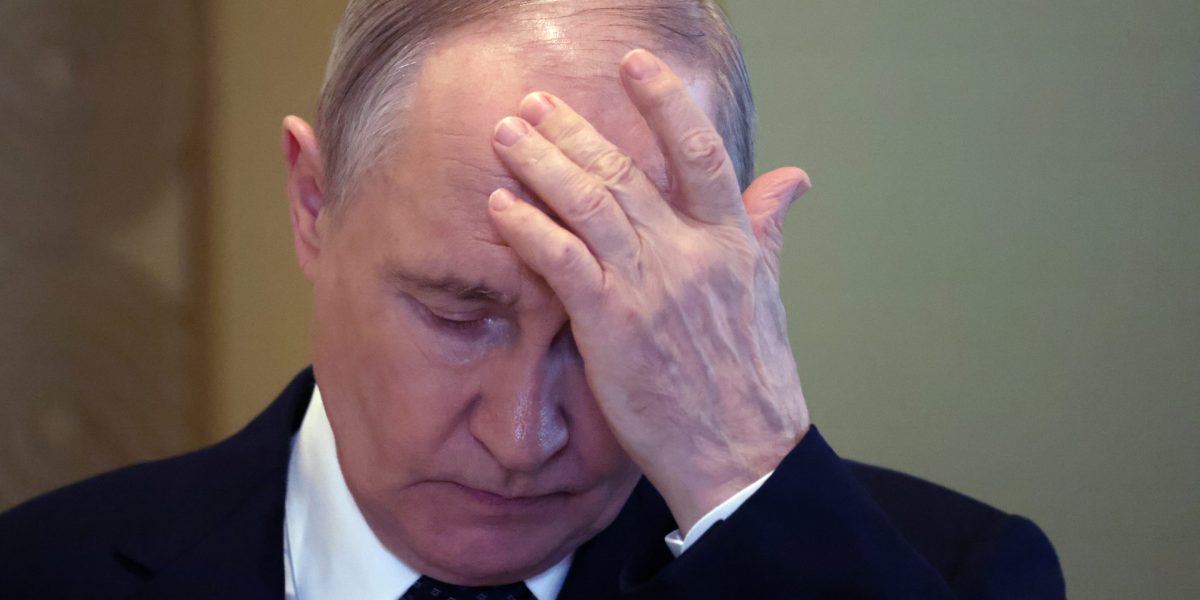
A former adviser to Russia’s central bank says the Kremlin’s war financing is eroding the fiscal controls that helped support Vladimir Putin’s rule. Alexandra Prokopenko, now a fellow at the Carnegie Russia Eurasia Center, argued in a Financial Times opinion essay that the strain of the Ukraine war is forcing Moscow to rewrite its own budget rules.
Prokopenko pointed to a recent decision by Russia’s parliament allowing the finance ministry to spend more and borrow beyond the debt ceiling without a formal budget or explicit legislative approval. She said the move shows the Kremlin has abandoned the restraint it once presented as a strength.
According to Prokopenko, Russia’s budget deficit through May has already reached 2.6% of GDP, or about $83 billion, twice the full-year level recorded in 2025. She also said Russia’s sovereign wealth fund, used to cover budget gaps, has fallen sharply and is now only a fraction of its prewar size.
Prokopenko wrote that an autocracy under pressure is changing fiscal rules as it goes and excluding parliament from the process. She said Putin’s government can no longer finance the war, contain inflation and keep the economy growing at the same time.
War costs and domestic strain
The financial pressure comes as the war in Ukraine enters its fifth year. Prokopenko said the state is increasingly shifting the cost of the war onto the public while suspending its own rules, leaving Russia at risk of becoming poorer, more angry and less able to fund the conflict reliably.
Ukraine has used drones and new battlefield tactics this year to blunt Russian attacks and regain ground, according to Fortune. The outlet reported that long-range Ukrainian drone strikes have reached targets deep inside Russia, including around St. Petersburg and Moscow, with refineries and defense-related sites among the targets.
Fortune reported that those attacks have contributed to fuel shortages across Russia and forced companies to spend more than $1 billion of their own money on temporary defenses, while Moscow has declined to reimburse them. The fuel shortages have produced long gas station lines, and Fortune cited reports of fights among motorists trying to buy rationed gasoline.
Russian military losses are also feeding discontent, according to the report. Russian military bloggers have said that new recruits may live an average of about 10 days to three weeks, while survival once they reach the battlefield can average 20 to 35 minutes.
Mutiny warning draws Kremlin notice
Radio Free Europe reported that Aleksandr Lunin, a Russian veteran of the Ukraine war and military blogger, posted a video on Thursday alleging routine torture of soldiers by their commanders. In the video, Lunin demanded a live meeting with Putin on air and warned that, without one soon, the army would turn its weapons toward the Kremlin.
Radio Free Europe said Lunin later softened that threat, saying that soldiers planning a rebellion would act quietly rather than ask him to warn officials. The video spread widely enough that Putin’s spokesman was asked about it and said the Kremlin was aware that the appeal existed, according to the report.
Peter Frankopan, a professor of global history at the University of Oxford, wrote in Foreign Policy that revolution in Russia remains unlikely. He argued that economic pain and war fatigue could instead lead some factions inside the regime to seek a new start.
Frankopan also warned that growing pressure could make Putin more dangerous as he tries to preserve power. He said the coming months may carry risks both inside Russia and beyond it, including in Ukraine and other parts of Europe.
This story draws on original reporting from Fortune.