
Polls show falling confidence in FDA independence
Recent polling cited by Fortune shows trust in the FDA has dropped, with concerns focused on political interference and regulatory consistency.
By Sofia Marchetti · World Affairs Correspondent
3 min read
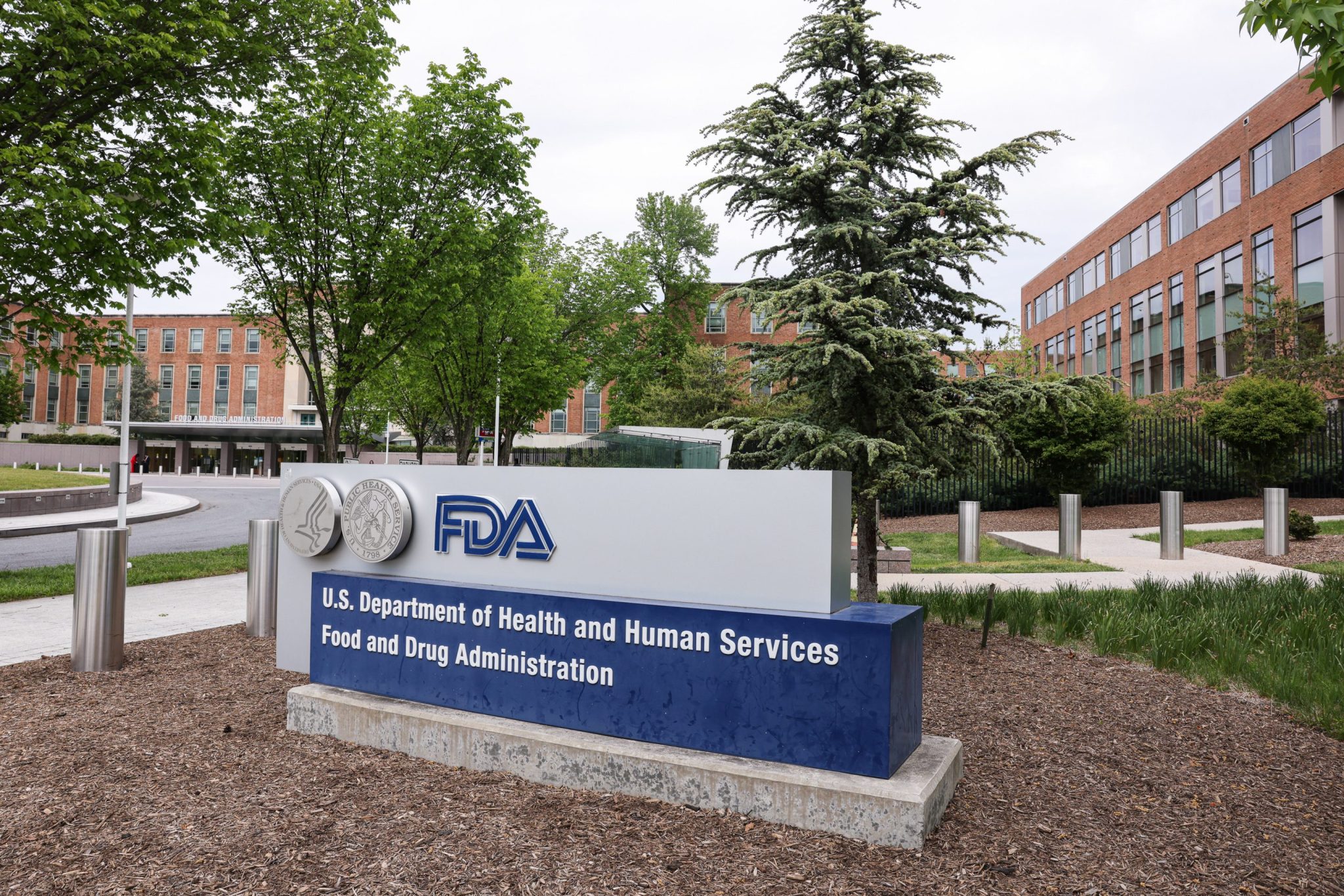
Public confidence in the Food and Drug Administration has fallen sharply, according to polling cited in a Fortune.com commentary, raising concerns about the agency’s independence and its role in public health. The debate affects patients, drug and device developers, food producers and investors who depend on the FDA to apply scientific standards clearly.
KFF’s latest tracking poll found that about half of Americans say they trust the FDA, down from roughly three-quarters two years earlier, according to the commentary. KFF also found that fewer than half of respondents believe the agency can make decisions without political interference.
A Harvard survey from June 2026 found that a majority of respondents believe federal health recommendations have become “too influenced by leaders’ personal beliefs” rather than evidence, the commentary said. The authors argued that the trust problem is less about competence than about whether the agency is seen as independent.
Controversial reviews draw scrutiny
The Fortune commentary said the FDA’s credibility depends on safety, scientific rigor, transparency and predictable use of evidence. It argued that recent decisions over the past two years created uncertainty about whether the agency is following its earlier guidance to sponsors.
The commentary pointed to disputes involving rare disease and serious-condition therapies, including Replimune’s treatment for metastatic melanoma, uniQure’s gene therapy candidate for Huntington disease and Regenxbio’s therapy for Hunter syndrome. It said those cases have become examples for critics who believe the agency shifted evidentiary expectations after products had advanced through expedited pathways.
Critics cited in the commentary said the FDA gave too little weight to real-world evidence and outside expert input in some reviews. The commentary said the answer is not weaker standards, but clearer explanations when the agency changes course or departs from prior expectations.
The commentary also cited abrupt changes involving Moderna’s mRNA influenza vaccine application as an example of how sudden regulatory shifts can unsettle companies beyond rare disease markets. It said sponsors, clinicians and investors need clarity when trial designs, comparator choices or evidence requirements are discussed with the agency.
Acting leadership and unresolved cases
Under Acting Commissioner Kyle Diamantas, the FDA has begun revisiting several high-profile decisions that drew concern from patient groups, clinicians, researchers and investors, according to the commentary. It said those reviews could help restore confidence if the agency explains its reasoning and applies defensible standards.
The commentary named Biohaven’s troriluzole for spinocerebellar ataxia as one unresolved case. It said Biohaven presented three-year real-world evidence comparing the drug with a natural history cohort, showing a 50% to 70% slowing of disease progression and fewer falls, while the FDA issued a Complete Response Letter citing challenges with external controls.
Sanofi’s tolebrutinib for non-relapsing secondary progressive multiple sclerosis and Aldeyra Therapeutics’ reproxalap for ocular disease were also cited as products that have drawn concern among patients, clinicians, sponsors or advocates.
Food safety and modernization
The commentary argued that rebuilding FDA trust also requires attention to food safety and nutrition, not only medical products. It said the agency needs funding, inspectors, scientific staff, laboratory capacity, modern data systems and transparent post-market review to address foodborne illness, additives and other public health risks.
The commentary linked that argument to the Make America Healthy Again agenda, saying a prevention-focused program would need a strong FDA grounded in evidence and public accountability. It also called for better post-market surveillance across drugs, devices, vaccines, foods, supplements and digital technologies.
The next FDA commissioner should be chosen for scientific rigor, regulatory predictability and independence rather than ideology or celebrity, the commentary argued. It said restoring trust will require consistent decisions, clearer explanations, constructive use of advisory committees, stronger real-world evidence methods, modern IT systems and adequate support for the agency’s scientific workforce.
This story draws on original reporting from Fortune.