
Pet owners warned as screwworm cases reach dogs in Texas and New Mexico
Veterinarians say the New World screwworm can infest dogs, cats and other mammals, and quick treatment is critical.
By Hana Yoshida · Markets Reporter
3 min read
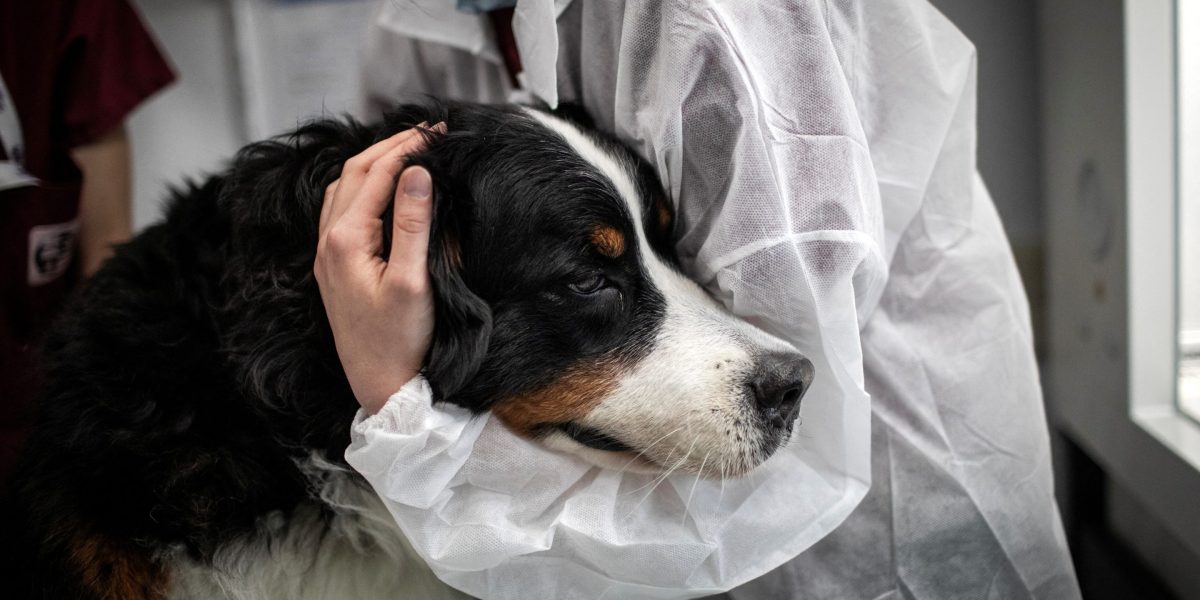
Veterinarians and humane societies are warning pet owners in parts of Texas and New Mexico to watch for New World screwworm after two dog cases were confirmed among more than 30 cases in the two states, the Associated Press reported. The parasite matters because its larvae feed on living tissue and can kill animals if an infestation is not treated quickly, according to veterinarians cited by AP.
The pest returned in U.S. cattle in June after being largely eliminated from the country for more than 50 years, AP reported. Agriculture officials have focused on the risk to the $113 billion U.S. cattle industry, but the same fly larvae can infest any mammal, including dogs, cats, wildlife and, in some cases, people, according to AP.
Where the risk is showing up
Animal health experts cited by AP said pet owners should be especially alert in areas where cases have been identified so far: southern and southwestern Texas and southeastern New Mexico. They advise owners to check pets often for wounds, cuts and bites.
The fly moved north from Panama beginning in 2024 and through Mexico in 2025, AP reported. The New World screwworm fly is a tropical species, and in earlier decades colder fall or winter weather would reduce its presence, according to AP.
How infestations begin
The problem starts when a female fly lays eggs in open wounds or mucus, AP reported. Once the eggs hatch, the larvae feed for about a week before dropping to the ground and continuing their development into adult flies.
The American Veterinary Medical Association says newborn animals, animals with open wounds and animals that recently had surgery or another medical procedure face higher risk, according to AP. Aaron Grady, executive director of the Houston Humane Society shelter, said during a webinar that even a tick bite can provide a place for an infestation to begin, AP reported.
Signs pet owners should watch for
Experts cited by AP said owners should look for maggots or movement inside a wound. Other warning signs include a foul odor, unusual restlessness or anxiety, and repeated chewing or attention to one area of the body, according to Melissa Stansell, a veterinarian at Austin Pets Alive!, as reported by AP.
Any of those signs should prompt a veterinary visit, Stansell said, according to AP. Veterinarians cited by AP said affected animals may be in severe pain, and untreated infestations can cause shock, dangerous infections or death if larvae reach vital organs.
Prevention and treatment
Humane society officials and veterinarians told AP that shelters in Texas are using prescription flea and tick medications to help prevent infestations. They recommend pet owners do the same after consulting a veterinarian.
Stansell said those products can kill larvae as they consume blood and tissue, AP reported. She also said animals can recover when owners seek care quickly, and treatment may include antibiotics, according to AP.
State and U.S. Department of Agriculture officials are also using a broader eradication strategy that worked decades ago, AP reported. The program breeds sterile male flies and releases them; because female New World screwworm flies mate once during their monthslong lives, eggs produced after mating with sterile males do not hatch, reducing the population, according to AP.
AP reported that the only sterile-fly factory in the Western Hemisphere had been in Panama for years. The USDA invested $21 million to convert a site in southern Mexico from fruit fly breeding to screwworm fly production, and the agency plans to spend $750 million on a new fly factory in Texas that is expected to open next year, according to AP.
This story draws on original reporting from Fortune.