
Column buckling at Midtown conversion puts focus on office-to-housing work
A former Pfizer headquarters project prompted evacuations after two columns buckled, as an engineer said many construction defects are fixed before collapse.
By Sofia Marchetti · World Affairs Correspondent
3 min read
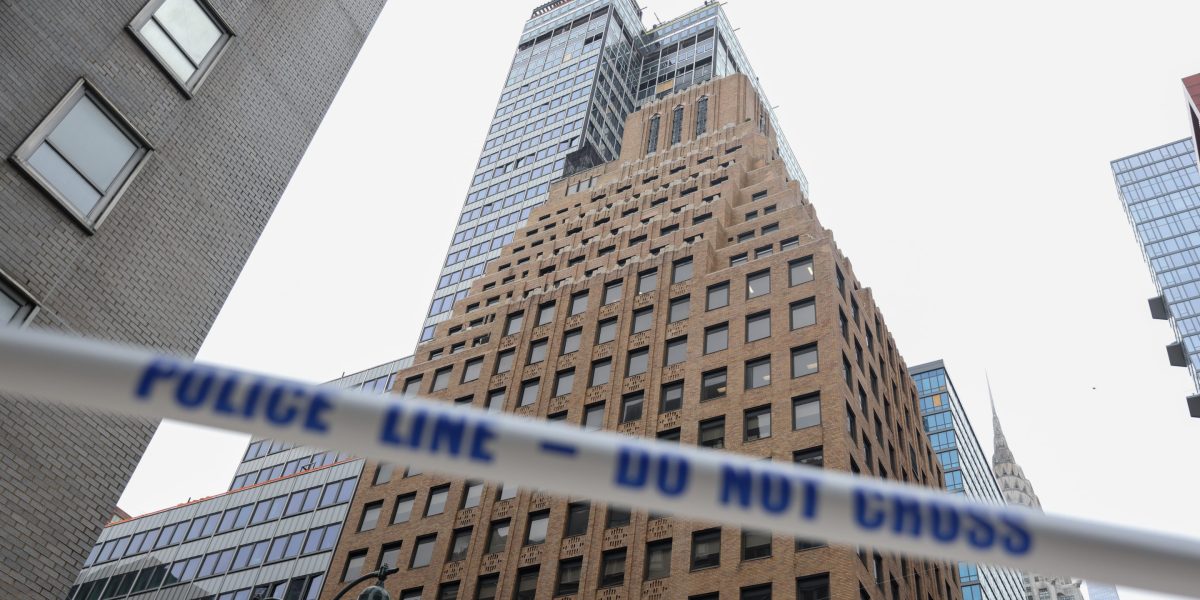
Two buckling support columns at a Midtown Manhattan office-to-residential project triggered evacuations and emergency work this week, Fortune reported. The incident matters because New York is pushing ahead with a large wave of office conversions as developers try to turn obsolete workspace into housing.
The building is 235 East 42nd Street, the former Pfizer world headquarters, according to Fortune. The 33-story tower, built in 1960, is being converted with neighboring 219 East 42nd Street by Metro Loft and David Werner Real Estate Investments into about 1,600 apartments, Fortune reported, calling it the largest office-to-residential conversion in U.S. history.
Fortune reported that the FDNY received calls Tuesday morning about bricks falling from the building. Inspectors found two columns bending out of shape on the 21st floor, with floors sagging as high as the 26th floor, according to Fortune.
Nine nearby buildings were evacuated, Fortune reported. Officials also created a restricted area from First Avenue to Third Avenue, and crews began installing emergency shoring by Tuesday night, according to Fortune. No injuries were reported.
Engineer points to load, not steel quality
Joseph Di Pompeo, a forensic and structural engineer with more than 25 years of experience, told Fortune the failure shown in images and video did not appear to fit an explanation centered on the quality of the steel. Fortune reported that the FDNY had first raised steel quality at a press conference.
Di Pompeo told Fortune that column buckling is controlled by two factors: the unsupported length of the column and the amount of weight placed on it. In his view, Fortune reported, the likely causes were either an engineering calculation that did not fully account for added construction loads or a construction sequence that temporarily put too much weight on the columns.
Metro Loft founder Nathan Berman gave a similar account to The Wall Street Journal, according to Fortune. Berman said added weight during work at the top of the building likely caused the two columns to buckle, and he characterized the episode as a construction mishap and a rare accident.
Berman also told reporters, according to Fortune, that the broader project was well engineered and well executed except for the two columns that could not carry the load. He said the problem was confined to a small part of one building, Fortune reported.
Conversions are accelerating across New York
The site had received seven New York City Department of Buildings violations and about $15,000 in fines over the past year for falling debris, Fortune reported. Di Pompeo told Fortune he was doubtful those citations explained the column failure, saying loose-debris violations generally differ from structural buckling problems.
Fortune reported that New York had converted nearly 80 office buildings into housing over the two decades before 2023, with about 200 more buildings seen as possible candidates. The pipeline has since expanded, according to Fortune, with developers expected to begin 9.5 million square feet of office-to-residential conversions in 2026, more than twice the prior year’s pace and close to double the city’s 2008 peak.
New York leads U.S. metro areas with more than 16,000 units now in conversion, Fortune reported. Goldman Sachs estimated in 2024 that office prices would need to fall by nearly 50% for conversions to work financially at scale, according to Fortune, while one commercial real estate veteran told Fortune that 30% of office buildings are worth little and may have to be demolished rather than converted.
Di Pompeo told Fortune that construction problems occur often, though most do not become public because crews repair them before a collapse or serious incident. The Midtown case drew attention because falling material, evacuations and visible structural distress brought the work into public view.
This story draws on original reporting from Fortune.