
Oystercatchers rebound after decade-long coastal conservation push
A $10 million, 16-state effort has helped American oystercatchers rise along the Atlantic and Gulf coasts, though climate and habitat risks remain.
By Sofia Marchetti · World Affairs Correspondent
3 min read
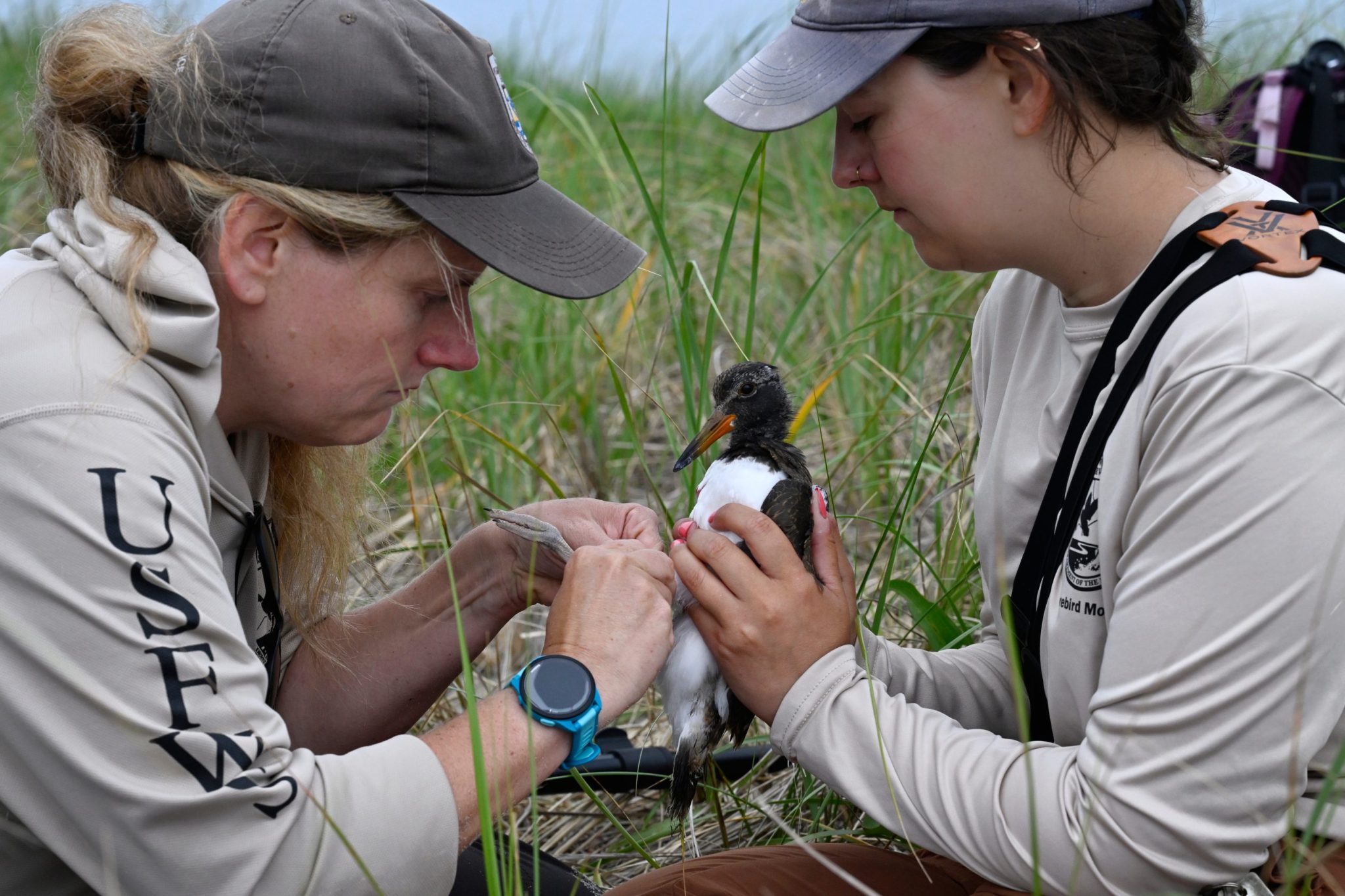
American oystercatchers are making a measurable comeback along U.S. coasts after a decade of coordinated conservation work. The recovery stands out because many North American shorebirds are declining, according to a 2023 study cited by the Associated Press.
The work includes hands-on monitoring at places such as Trustom Pond National Wildlife Refuge in Rhode Island, where U.S. Fish and Wildlife Service biologists recently captured two young oystercatchers, measured them and fitted bands to their legs. The banding helps researchers follow survival, movement and breeding success.
The broader effort raised about $10 million over 10 years and brought together 35 coastal organizations in 16 states, according to the Associated Press. From 2008 to 2023, American oystercatcher numbers rose 45% along the Atlantic and Gulf coasts.
The species had been largely eliminated from New England by the early 1900s because of hunting and egg collection, the Associated Press reported. The birds are known for loud calls, long legs and bright orange bills used to open oysters and mussels.
Protecting chicks and nesting sites
Alan Kneidel, a senior conservation biologist with Manomet Conservation Sciences, told the Associated Press that researchers identified chick survival as a key factor in the species’ decline. Conservation groups then tailored plans by location, depending on whether the main threat was predators, beach recreation, sea-level rise or storm overwash.
Those measures have included public education, roped-off nesting areas and restrictions meant to keep pets and vehicles away from nests. Oystercatchers nest on the ground in beach, dune, salt marsh and tide-wrack areas, leaving eggs and chicks exposed to disturbance and predators.
On Martha’s Vineyard, a seasonal low fence with chicken wire blocks skunks and raccoons from a major nesting area, according to the Associated Press. Luanne Johnson, a wildlife biologist who founded BiodiversityWorks, said public outreach has helped teach beachgoers to share shoreline habitat with the birds. Breeding pairs on the island have increased 77% since 2009.
Other states have used similar protections. In South Carolina, nearly 30 breeding sites are roped off. In Georgia and North Carolina, conservation workers also rope off sites and control predators such as foxes, raccoons and coyotes during breeding season, the Associated Press reported.
Lindsay Addison, a coastal biologist with Audubon North Carolina, said focused conservation can reduce the risk that a species reaches the point of needing stronger endangered-species protections. North Carolina’s breeding pairs have climbed nearly 20% to 403, according to the Associated Press.
Climate and policy threats remain
The recovery is not secure. Rising seas and erosion are washing out some oystercatcher nests, according to conservationists cited by the Associated Press.
States are testing responses. Georgia has built raised nesting platforms made of oyster shells and used dredged material from shipping channels to create or maintain nesting islands. Along North Carolina’s Cape Fear River, Audubon is restoring shell rakes, the old oyster-shell beds where oystercatchers nest.
Conservationists also are watching federal policy. Environmental groups sued Tuesday to block recent Endangered Species Act changes that would allow activities such as oil and gas drilling, mining, logging and other development in critical habitat as long as animals are not killed or injured, according to the Associated Press.
Kneidel told the Associated Press that weakening habitat protections threatens the safeguards that have helped shorebirds recover. For oystercatchers, the next test is whether conservation gains can keep pace with shrinking and shifting coastal habitat.
This story draws on original reporting from Fortune.