
Optum CEO Patrick Conway cites care gaps from weekend pediatrician shifts
Patrick Conway said weekend hospital work in Boston exposed barriers to mental-health care, treatment affordability and rehabilitation placement.
By Hana Yoshida · Markets Reporter
3 min read
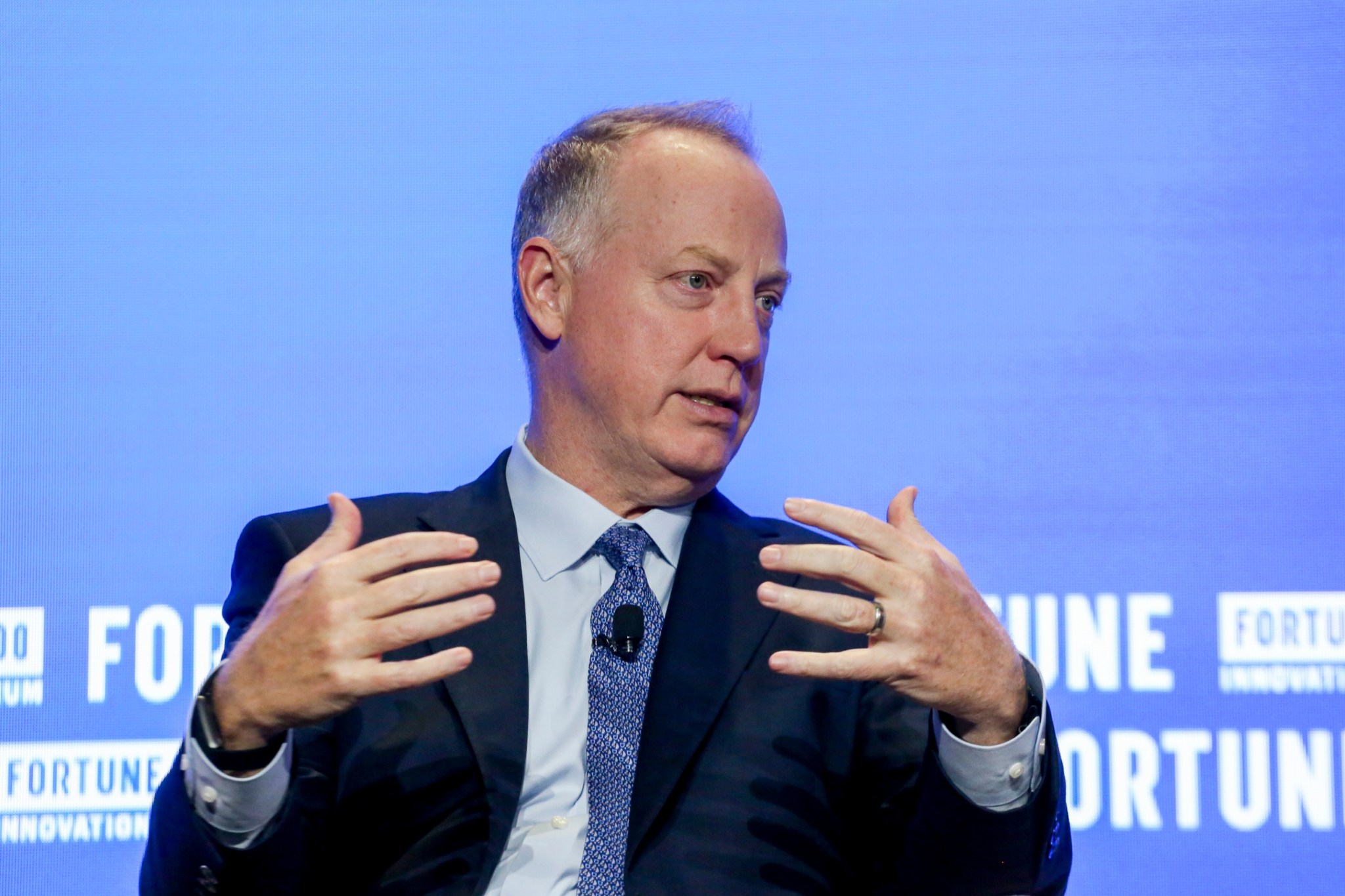
Optum CEO Patrick Conway says he still works weekend shifts as a hospital pediatrician in Boston, where recent cases have underscored gaps in access to care. Speaking at the Fortune 500 Innovation Forum in Detroit, Conway said the Optum CEO weekend pediatrician role gives him direct exposure to problems his company should help prevent.
Conway, who became Optum’s chief executive on May 6, 2025, said three patients he encountered over his last couple of weekends remain on his mind. He said such cases could arise anywhere in the United States and described them as failures that occur every day.
What did Optum CEO Patrick Conway see during weekend pediatrician shifts?
According to Conway’s account, a 14-year-old girl had contacted more than 100 people while trying to obtain mental-health care before arriving at his hospital with broken legs. He also described a 21-year-old patient with meningitis who, after waking up, worried that she could not afford treatment because she was a single mother and wanted to leave the hospital.
The third case involved a 15-year-old Medicaid patient with a neurological disorder who needed complex rehabilitation. Conway said the hospital was having trouble finding a place that could take her. The accounts are Conway’s descriptions of individual cases; they do not establish how often similar situations occur nationally.
“That should not happen in America,” Conway said, according to Fortune. He said Optum’s task is to help stop such cases from happening in the future.
What responses does Conway say Optum is pursuing?
Conway argued that Optum’s scale and use of artificial intelligence could help address fragmented care and costs. He cited Savings IQ, an Optum Rx tool, saying it reduced the median out-of-pocket copay for specialty medicines from about $88 to $5 and saved consumers more than $1 billion during the previous 12 months. Those figures are Conway’s claims and were not independently verified in the report.
He also pointed to OptumReal, a system intended to digitize benefit information and connect payers with health systems. Conway said it can approve services with more than 99% accuracy and allows the payer, provider and patient to see the same figure at the point of care. Those are company claims rather than independently established outcomes.
Conway acknowledged that people have concerns about access, prior authorization and whether a doctor is in-network. He said Optum’s business customers, including health systems, payers and employers, are generally positive about the company.
UnitedHealth Group announced in April 2025 that Conway, then chief executive of Optum Rx, would replace Heather Cianfrocco as Optum CEO. The company described him as a practicing pediatrician with leadership experience in both public and private health care.
Conway said he has been trying to improve health care for 20 to 25 years and wants progress to move faster.
This story draws on original reporting from Fortune.