
NRC ALARA proposal would drop long-running radiation safety rule
Regulators would replace ALARA with a graded system while keeping dose caps, drawing industry support and expert concern.
By Daniel Okafor · Business Editor
4 min read
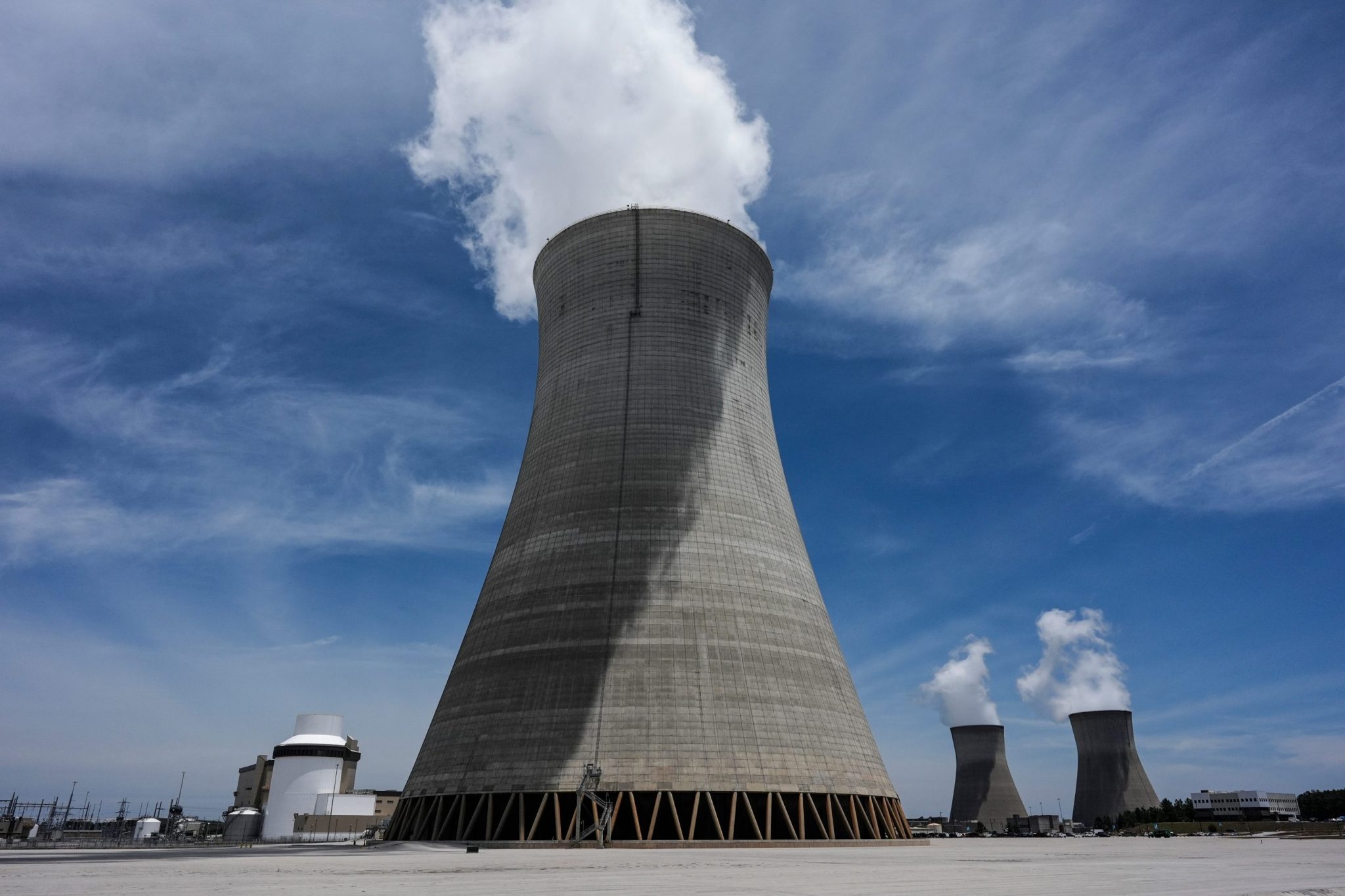
The Nuclear Regulatory Commission is moving to end a 50-year radiation safety principle, a shift that could reshape rules for nuclear plants, hospitals and universities that use radioactive materials. The NRC ALARA proposal would remove the requirement to keep radiation exposure “as low as reasonably achievable” while leaving federal dose limits in place.
ALARA has long worked alongside hard exposure caps. Dose limits set the maximum radiation workers and the public may receive, while ALARA directs licensees to keep exposure as low as practical beneath those limits. The Environmental Protection Agency says radiation exposure can increase cancer risk, with higher doses linked to higher risk.
The NRC, which regulates civilian nuclear energy and radioactive materials, wants to replace ALARA with a “graded approach.” Under that plan, facilities would face different radiation protection steps based on the potential dose to workers, with stricter controls as exposure gets closer to the legal caps.
What does the NRC ALARA proposal change?
The proposal changes the philosophy behind radiation protection, not the maximum exposure limits. ALARA asks facilities to reduce exposure where reasonable; the graded approach would tie required actions more directly to expected dose levels and the risk of nearing a cap.
NRC Chairman Ho Nieh told reporters the agency is not weakening safety rules. “We’re just removing the ambiguity,” Nieh said, adding that exposure standards for workers and the public would remain the same.
Nieh said he does not expect major changes at the country’s existing large reactors. He said companies developing smaller new reactors could benefit from clearer radiation protection requirements.
The proposal comes as President Donald Trump seeks to expand U.S. nuclear energy production in response to rising electricity demand tied to data centers and artificial intelligence. In a 2025 executive order, Trump directed the NRC to “adopt science-based radiation limits.” The Energy Department, which oversees national energy policy, has already stopped using ALARA, and the NRC expects to finish its radiation protection rules in the coming months.
Why some industry voices support the change
The NRC says its exposure limits are set well below levels associated with health effects and expects existing standards and industry practices to keep doses far beneath those limits. The agency also says companies have financial and operational reasons to limit exposure, because higher-radiation areas require restricted access and more monitoring.
Doug True, chief nuclear officer at the Nuclear Energy Institute, said the industry would keep working to lower worker doses and keep public exposure low. Justin Friedman, a nuclear energy consultant and former State Department official, said ALARA created a shifting regulatory target and that eliminating it could help NRC scientists make more rational decisions about manageable risk.
Why some experts are concerned
Edwin Lyman, director of nuclear power safety at the Union of Concerned Scientists, warned that parts of the proposal could allow higher doses in some cases while still staying under the cap. He pointed to a proposed change in radionuclide emissions standards.
Public radiation exposure is limited to 100 millirem per year. The NRC wants to raise its radionuclide emissions standard from 10 millirem per year to 25 millirem per year, based on a hypothetical person living at a nuclear plant’s property line. A typical chest X-ray delivers about 10 millirem.
The NRC says actual public doses would remain much lower because people generally live farther from nuclear sites and because radioactive materials disperse in air and water. Lyman said the agency should improve ALARA rather than discard it, arguing that the principle already allows cost and practicality to be considered.
Katy Huff, a former U.S. assistant secretary for nuclear energy and a University of Wisconsin-Madison professor, said ALARA can be difficult to regulate in some situations and that clearer rules could help without harming the public. She also said she had expected the NRC to clarify what “reasonable” means under ALARA rather than eliminate the principle, and remains open to being persuaded that the graded approach will work as well.
Kathryn Higley, president of the National Council on Radiation Protection and Measurements and professor emeritus at Oregon State University, described the proposal as mixed. She said radiation rules should consider overall worker risk, including cases where protective gear meant to reduce a small radiation dose could increase heat stress.
Higley also noted that the proposal keeps the occupational dose limit for adult radiation workers at 5 rem, or 5,000 millirem, per year. The International Commission on Radiological Protection recommends an average occupational dose of 2 rem per year, and Higley said the United States may need to align more closely with international guidance if ALARA is removed.
This story draws on original reporting from Fortune.