
New York rent board freezes stabilized rents under Mamdani
The freeze covers one- and two-year leases in about 1 million rent-stabilized apartments, according to The Associated Press.
By Sofia Marchetti · World Affairs Correspondent
3 min read
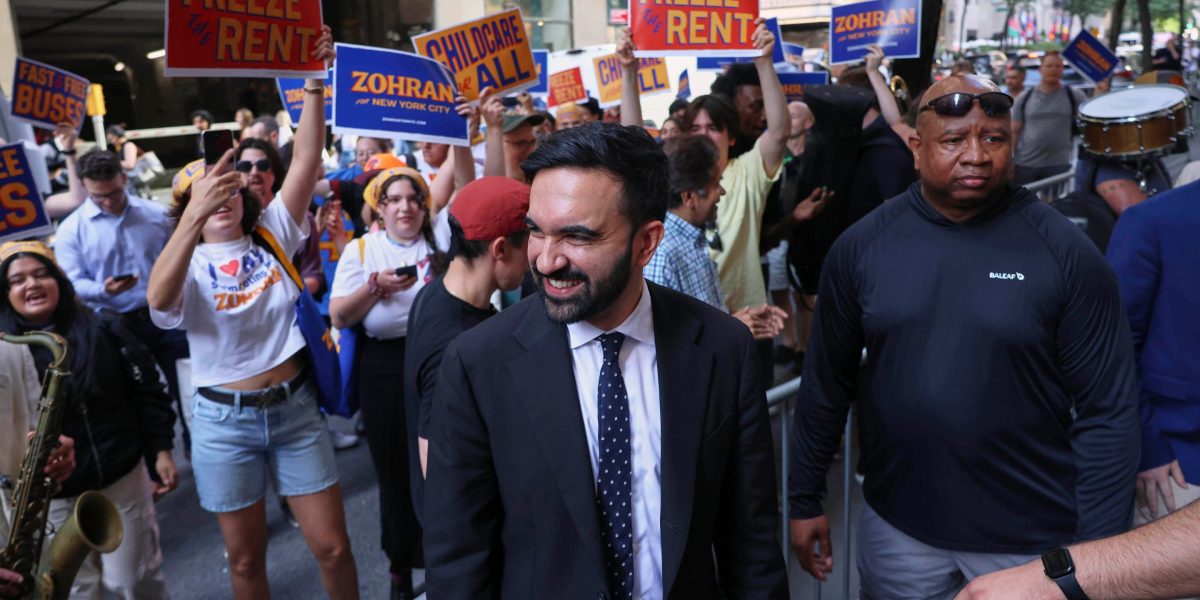
New York City’s Rent Guidelines Board voted Thursday evening to freeze rents for tenants in about 1 million rent-stabilized apartments, according to The Associated Press. The decision gives Mayor Zohran Mamdani an early victory on a central affordability promise affecting a large share of the city’s renters.
The board approved no rent increases for both one-year and two-year leases, the AP reported. Mamdani, a Democrat, had campaigned on stopping rent hikes for stabilized tenants and had promoted the pledge in ads, speeches and rallies, according to the AP.
In a statement reported by the AP, Mamdani called the vote “a historic victory for New York City tenants.” He said the decision delivered “the relief that working people across our city deserve.”
Board vote follows mayoral appointments
The Rent Guidelines Board is an independent panel made up of mayoral appointees, according to the AP. Mamdani appointed a majority of its members a little more than a month after taking office, a move the AP said signaled his focus on securing the freeze.
The board sets the maximum annual rent increases for the city’s rent-stabilized apartments, which are privately owned, according to the AP. About 2 million New Yorkers live in those units, which account for roughly 40% of the city’s housing stock, the AP reported.
The vote drew cheers from tenant advocates gathered in an auditorium at a museum along Central Park, according to the AP. The outcome had been expected, but the AP described it as a political win for Mamdani as he tries to show he can deliver on his cost-of-living agenda.
Landlord groups warn of harm
Real estate groups said the freeze will strain building owners who face higher expenses and inflation, according to the AP. They argued that limiting rent increases could make it harder for landlords to pay for ordinary upkeep and repairs.
Kenny Burgos, chief executive of the New York Apartment Association, told the AP the decision could lead to worse housing conditions and financial distress for owners. “This will only result in more dilapidated housing and potentially more foreclosures and bankruptcies, which the city is wholly unprepared for,” Burgos said.
Critics of rent regulation also argue that the policy raises prices for apartments outside the stabilized system, according to the AP. A legal challenge to the board’s vote is expected, the AP reported.
One board member appointed to represent landlords resigned in protest, according to the AP. Christina Smyth wrote in a resignation letter provided to the AP that the board’s independence had been compromised and that it had ceased to function as a fact-finding body.
Rent rules have shifted by mayor
The AP reported that the board has frozen stabilized rents before, most recently during former Mayor Bill de Blasio’s administration. Under former Mayor Eric Adams, Mamdani’s predecessor, the board approved smaller increases, according to the AP.
Last year, the board allowed increases of up to 3% for one-year leases and up to 4.5% for two-year leases, the AP reported. This year’s vote reverses that pattern for the affected leases.
The AP reported that rent-stabilized apartments do not have income restrictions, and some higher-income tenants live in them. During last year’s mayoral race, former Gov. Andrew Cuomo criticized Mamdani, then a state Assembly member earning just under $150,000, for living in a rent-stabilized Queens apartment and said he should leave it for someone with lower earnings, according to the AP.
Mamdani lived in that Queens apartment with his wife before moving this year into Gracie Mansion, the mayor’s official residence, according to the AP.
This story draws on original reporting from Fortune.