
Musk’s fortune slips below $1 trillion after SpaceX stock retreat
Bloomberg and Forbes now put Elon Musk’s wealth below $1 trillion after a pullback in SpaceX shares following the company’s Nasdaq debut.
By Daniel Okafor · Business Editor
3 min read
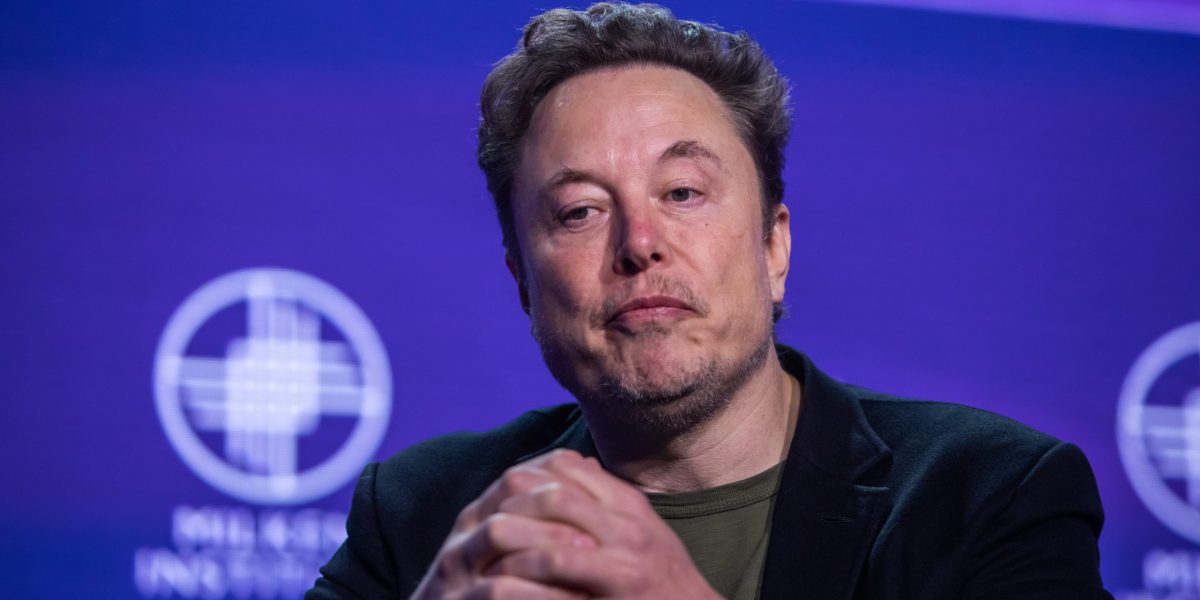
Elon Musk’s net worth has fallen back below $1 trillion after a short stretch above that mark, according to Bloomberg’s Billionaires Index. The reversal underscores how closely Musk’s paper fortune is tied to SpaceX, whose shares retreated after a high-profile Nasdaq debut.
Bloomberg estimated Musk’s wealth at $957 billion on June 24, down from a peak range that Fortune reported was between $1.32 trillion and $1.45 trillion during the prior 12 days, depending on the tracker and timing. Fortune reported that Musk crossed the $1 trillion threshold on June 12, the day SpaceX began trading publicly.
Forbes also lowered its estimate of Musk’s fortune, placing it at $962 billion after excluding $116 billion of restricted Tesla stock from its calculation, according to Fortune. Both Bloomberg and Forbes still ranked Musk as the richest person in the world, with Fortune reporting that Larry Page was a distant second at about $300 billion.
SpaceX drove the swing
Fortune reported that SpaceX priced its initial public offering at $135 a share and raised $85.7 billion, valuing the company at about $1.77 trillion. The offering was described by Fortune as a record raise.
SpaceX shares climbed to roughly $225 on June 16, Fortune reported, briefly pushing the company’s valuation near $2 trillion. The rally was fueled in part by retail investors drawn to Musk’s ambitions for space-based data centers and an eventual Mars settlement, according to Fortune.
The stock later pulled back. Fortune reported that SpaceX closed Tuesday near $156, about 30% below its high, and slipped further Wednesday, at one point trading below the $150 level reached after its first-day rise.
Musk owns about 40% of SpaceX, according to Fortune. Bloomberg valued that holding at roughly $744 billion, or about four-fifths of his total fortune, Fortune reported.
Debt plans and rate fears weighed on shares
Fortune attributed the SpaceX decline to two main pressures. One was broader market concern after the Federal Reserve’s hawkish June meeting, which led investors to price in the possibility of one or more interest rate increases.
Fortune reported that the rate outlook also helped lift the dollar to a 13-month high while weighing on oil and gold. Higher expected rates can pressure fast-rising growth stocks by making future earnings less valuable to investors.
The second pressure was specific to SpaceX, according to Fortune: confirmation of a planned bond sale reportedly sized at about $20 billion to $25 billion. Fortune said the debt plan raised questions among investors because SpaceX was seeking to borrow soon after its market value had surged above its IPO valuation.
Debt investors showed strong interest in the bonds, Fortune reported, especially shorter-dated securities of about five years. Fortune described those as less risky than some longer-term debt Musk wanted to sell.
SpaceX’s governance has also drawn scrutiny, according to Fortune. The publication reported that scholars have raised concerns about the company’s concentrated control structure and that MSCI assigned SpaceX a CCC rating, its lowest governance grade.
This story draws on original reporting from Fortune.