
Study finds great apes laugh with a humanlike rhythm
Researchers compared tickled apes with young children and found shared timing patterns that may trace back millions of years.
By Hana Yoshida · Markets Reporter
3 min read
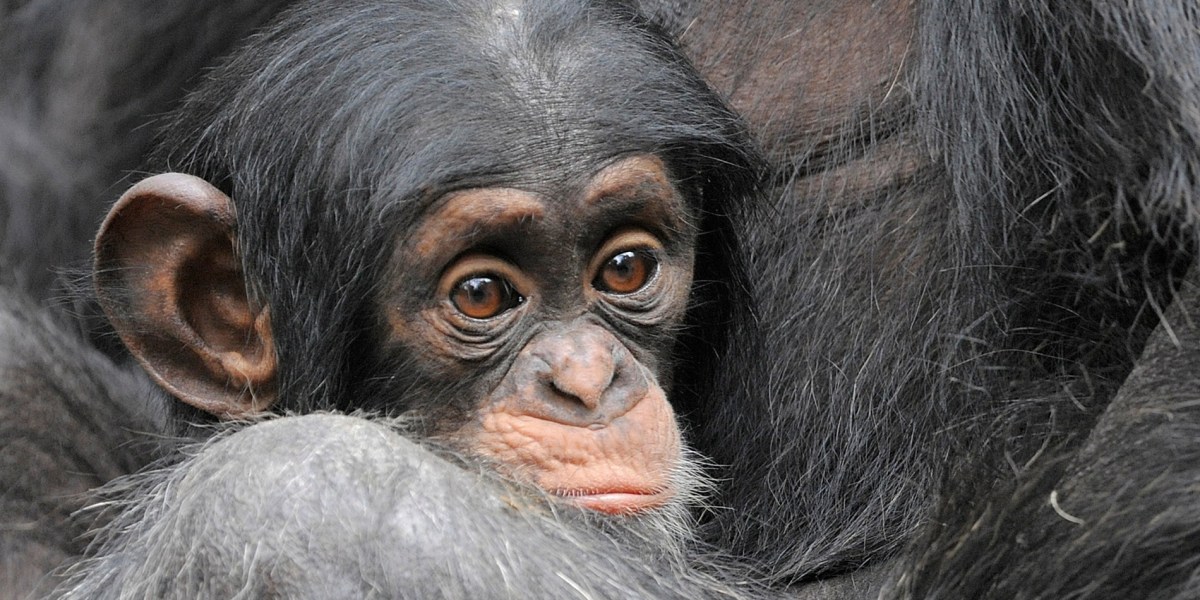
Great apes and humans appear to share a basic rhythm in their laughter, according to a new study published Thursday in Communications Biology. Researchers said the finding may shed light on how a wordless social signal evolved before human speech.
The research team studied recordings of 13 captive great apes being tickled, including gorillas, orangutans, chimpanzees and bonobos, according to The Associated Press. The scientists then compared those sounds with new recordings of four young children laughing while they were tickled and played at home.
The study found that human and ape laughter showed similar timing, with regular spacing between bursts of sound, researchers said. Chiara De Gregorio, a primatologist at the University of Warwick in England and an author of the study, told the AP that the resemblance likely reflects a shared evolutionary history dating back roughly 15 million years.
De Gregorio said humans and other great apes have been laughing in comparable ways across that span. The study does not suggest ape laughter is identical to human laughter, but researchers said the shared structure points to an old connection in how social animals signal play and positive feeling.
Laughter can communicate enjoyment without words, according to researchers cited by the AP. Many animals produce laughter-like sounds, but the study found that great apes are closer to humans in acoustic pattern than some other animals examined in past work.
Rats, for example, make ultrasonic squeaks when tickled, according to the AP. Those sounds count as laughter-like responses in animal communication research, but they do not match human laughter patterns as closely as the ape recordings did, researchers said.
Scientists have often studied facial expressions to understand the roots of laughter, the AP reported. The new work focused instead on how laughter sounds, an area researchers said has received less attention.
The study also found differences between humans and apes. According to De Gregorio, human laughter has become faster and more varied, changing with social setting and context, from restrained laughs in formal settings to louder laughter among close friends.
De Gregorio told the AP that humans are highly skilled laughers. Researchers said that variety may reflect the broader and more complex social uses of laughter in human life.
Brittany Florkiewicz, an animal communication researcher at Lyon College who was not involved in the study, told the AP the findings fit with what scientists know about social signals in animals. She said more recordings from other animals with playful facial expressions, including dogs, horses and cats, could help researchers compare how laughter-like behavior developed across species.
Florkiewicz said such comparisons may help scientists understand both what separates humans from other animals and what humans share with them. Because ancient sounds leave no fossils, researchers rely on living species and recorded behavior to infer how laughter may have evolved, according to the AP.
This story draws on original reporting from Fortune.