
Moonshot’s Kimi K3 release pressures AI and chip stocks
The Beijing startup says its new open-weight model rivals leading U.S. systems at lower cost, adding pressure to chip and AI shares.
By Daniel Okafor · Business Editor
3 min read
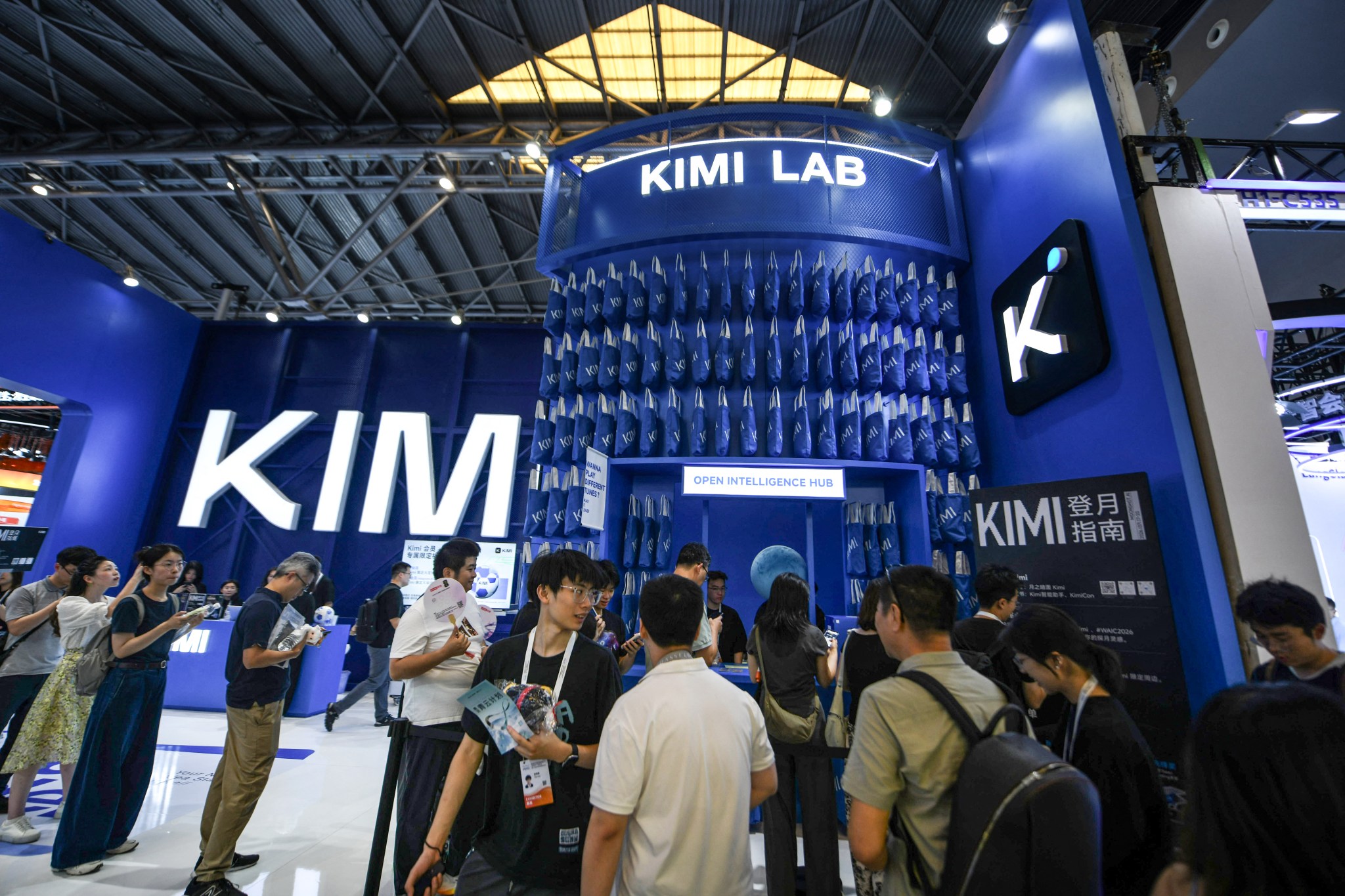
Moonshot AI’s release of Kimi K3 sharpened investor worries that Chinese AI labs are catching U.S. rivals faster than expected. The Beijing startup said Thursday that its new large language model delivers performance near top U.S. systems while charging far less for output.
According to Moonshot, Kimi K3 is the largest open-weight model released to date and ranks competitively against Anthropic’s Fable 5. The company also said K3 outperformed Anthropic’s Opus 4.8 and OpenAI’s GPT 5.6 Sol on its published tests.
An independent ranking from Arena.AI placed K3 first among available models, ahead of Anthropic, Fortune reported. Moonshot priced the model at $15 per million output tokens, compared with $50 for the same amount of output from Fable 5, according to the companies’ pricing cited by Fortune.
The launch challenged expectations from some industry figures that China needed more time to approach the best U.S. models. Fortune reported that Anthropic CEO Dario Amodei and Tesla CEO Elon Musk had indicated Chinese labs might not reach that level until later.
Paul Triolo, a partner at DGA-Albright Stonebridge Group, told Fortune that China’s AI sector is “probably much better than people thought.”
Market reaction
Fortune reported that Kimi K3 landed as semiconductor shares were already under pressure, and the announcement appeared to add to the selling. Taiwan Semiconductor Manufacturing Company fell 7% on Friday despite reporting a 77% rise in quarterly operating profit.
SoftBank, which Fortune described as a market proxy for OpenAI exposure, dropped 9.0%. Z.ai, another Chinese AI startup with a rival model, fell nearly 30% in Hong Kong trading, according to Fortune.
The pressure also reached U.S. shares. Fortune reported that the Nasdaq 100 was down 1.0% as of 2:00 p.m. Eastern, Nvidia lost 1.2% and briefly ceded the title of world’s most valuable company to Apple, and Meta fell more than 2.4%.
China’s crowded AI race
Moonshot was founded in 2023 by Yang Zhilin, and Fortune reported that its Chinese name refers to Pink Floyd’s The Dark Side of the Moon, Yang’s favorite album. The company is backed by Alibaba, Tencent, Meituan and HSG, formerly Sequoia China, and is reportedly considering a Hong Kong listing.
Fortune reported that earlier Kimi versions, including K2.5 and K2.6, attracted Silicon Valley developers because of coding performance and lower costs than Anthropic’s Claude. In March, U.S. coding assistant company Cursor acknowledged that its Composer 2 agent used Kimi 2.5.
Other Chinese companies have also moved quickly this year. DeepSeek released V4 in April, Z.ai followed with GLM-5.2 in June, and Meituan launched LongCat 2.0 after training it entirely on Chinese-made chips, according to Fortune.
Why Chinese models cost less
Fortune cited several reasons Chinese AI services often come in cheaper, including lower power costs, heavy investment in energy infrastructure and companies’ willingness to accept thinner margins to win users. DoorDash chief technology officer Andy Fang said the company was sending some “lower-level work” to Kimi for better quality and lower cost.
Analysts told Fortune that U.S. export controls may also have pushed Chinese labs to make more efficient use of limited hardware. Grace Shao, author of the AI Proem newsletter, said many labs are constrained by computing, capital and talent, making them careful with resources.
George Chen of the Asia Group told Fortune that Chinese AI firms can buy many local chips for the cost of one Nvidia processor. Ameya Karnitkar, co-founder of Larridin, said open model releases let third-party providers host Chinese systems with costs centered on GPUs and energy.
At the World Artificial Intelligence Conference in Shanghai on July 17, Chinese President Xi Jinping said China would keep supporting open-source AI, according to Fortune. Xi also criticized efforts to stretch national security arguments in the AI field.
This story draws on original reporting from Fortune.