
Moody's AI spending warning puts cloud giants' credit quality in focus
Moody's says the AI data center buildout is straining cash flow and adding balance-sheet risk at Amazon, Meta, Alphabet and peers.
By Sofia Marchetti · World Affairs Correspondent
3 min read
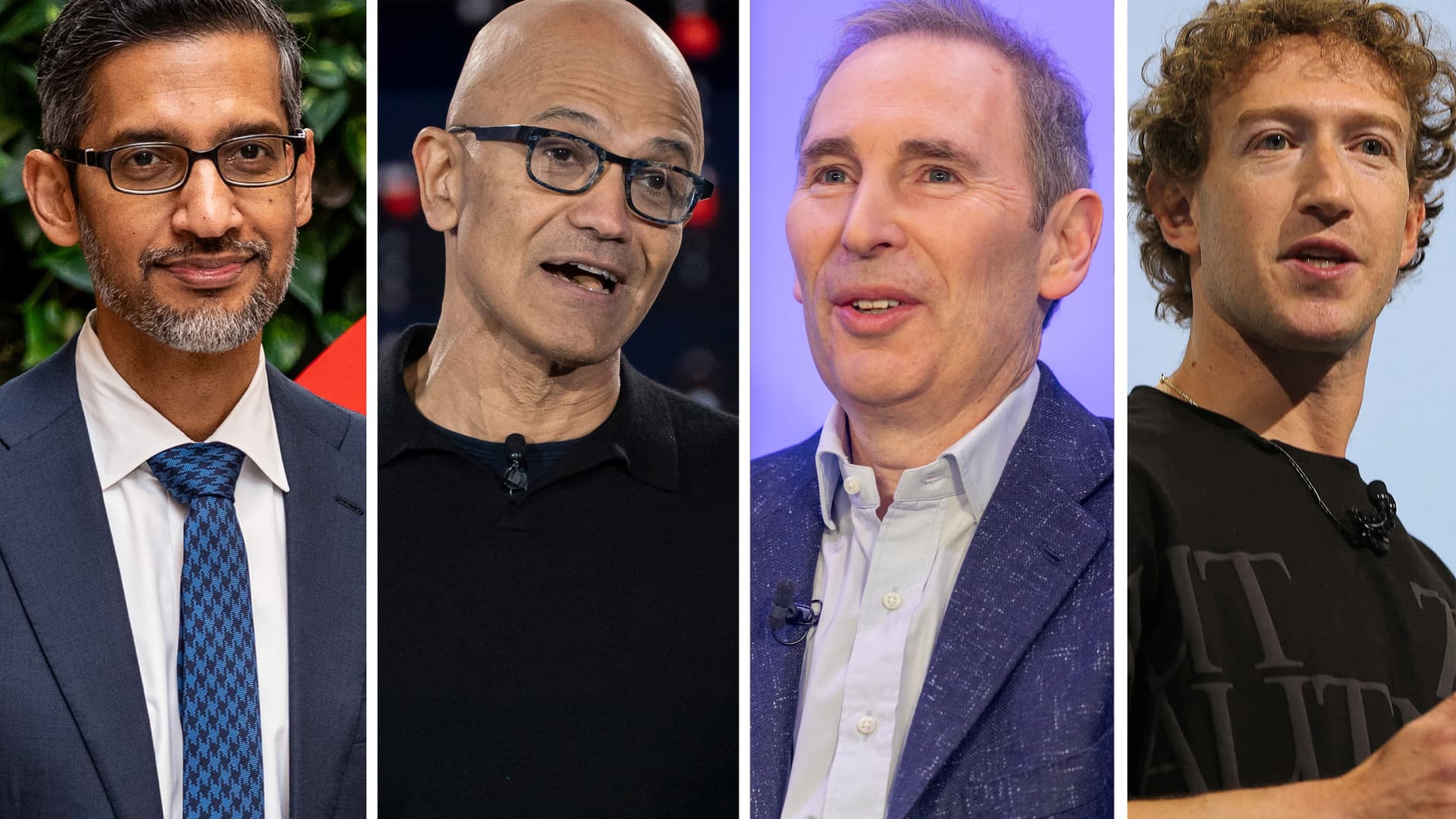
Moody's AI spending warning is putting new scrutiny on the credit strength of the largest cloud and technology companies. Moody's Ratings said this week that the rush to build artificial intelligence infrastructure is cutting into free cash flow and raising balance-sheet risk at major hyperscalers.
The ratings firm examined six companies: Microsoft, Amazon, Alphabet, Meta, Oracle and CoreWeave. Moody's said the group is using more debt, equity issuance and financing arrangements tied to data centers to pay for AI infrastructure.
Hyperscalers are large cloud computing companies that run vast networks of data centers for business customers. Moody's said their business models are shifting from lower-capital software and cloud services toward more asset-heavy operations that require large spending on physical infrastructure.
How does AI spending affect credit quality?
AI spending can weaken credit quality when companies borrow heavily, commit to long-term leases or use cash faster than they generate it. Moody's said the risk is that returns from AI infrastructure may take longer to arrive than the cost of building and financing the data centers.
Moody's projected that capital expenditures across the sector will reach $785 billion in 2026 and about $1 trillion next year. Capital expenditures are investments in long-term assets, including the data centers, servers and chips needed to run AI systems.
The ratings firm said direct debt across the six companies has climbed to roughly $460 billion. It also pointed to Alphabet's recent plan to raise about $85 billion through an equity sale to help fund AI infrastructure and computing capacity.
Data center leases add another layer of obligations
Moody's said companies are also using long-term leases for data centers to limit the amount of direct debt shown on their balance sheets. The firm said lease commitments across the group have reached $1.2 trillion.
More than $820 billion of those lease obligations relate to data centers that have not yet opened, according to Moody's. Although those commitments are not recorded as conventional debt, Moody's said it views them as debt-like obligations because they lock companies into future rent payments.
The pressure is not equal across the sector. Moody's said Microsoft, Alphabet, Amazon and Meta still have some of the strongest corporate balance sheets globally, and the firm does not see their investment-grade ratings as facing an imminent downgrade threat.
Moody's identified greater near-term strain at Oracle and CoreWeave. Oracle is rated Baa2 with a negative outlook, which Moody's places two notches above junk status. CoreWeave is rated Ba3 and operates in the high-yield market, relying on private debt structures to finance fleets of graphics processing units, Moody's said.
Moody's flags circular AI deals
Moody's also raised concern about overlapping business ties in the AI market. The firm said some large order backlogs at hyperscalers are tied to strategic agreements with pre-IPO AI labs, including OpenAI and Anthropic.
According to Moody's, some technology companies have invested billions of dollars in AI labs that then buy large amounts of cloud computing from those same companies. Moody's said those circular relationships could heighten risk because major players are relying on similar customers and assumptions about future AI demand.
The ratings firm also cited factors that support the sector's credit profiles. It said demand for AI computing remains strong, cloud businesses continue to expand and hyperscalers have signed long-term customer contracts worth hundreds of billions of dollars.
Moody's said investors are likely to pay closer attention to whether the companies can earn adequate returns on their AI investments as the industry takes on a more capital-intensive financial profile.
This story draws on original reporting from CNBC.