
Michigan data center project advances after township rejection
A $16 billion OpenAI-Oracle data center in Saline Township moved ahead after a lawsuit and settlement over farmland zoning.
By Maya Lindqvist · Senior Technology Correspondent
3 min read
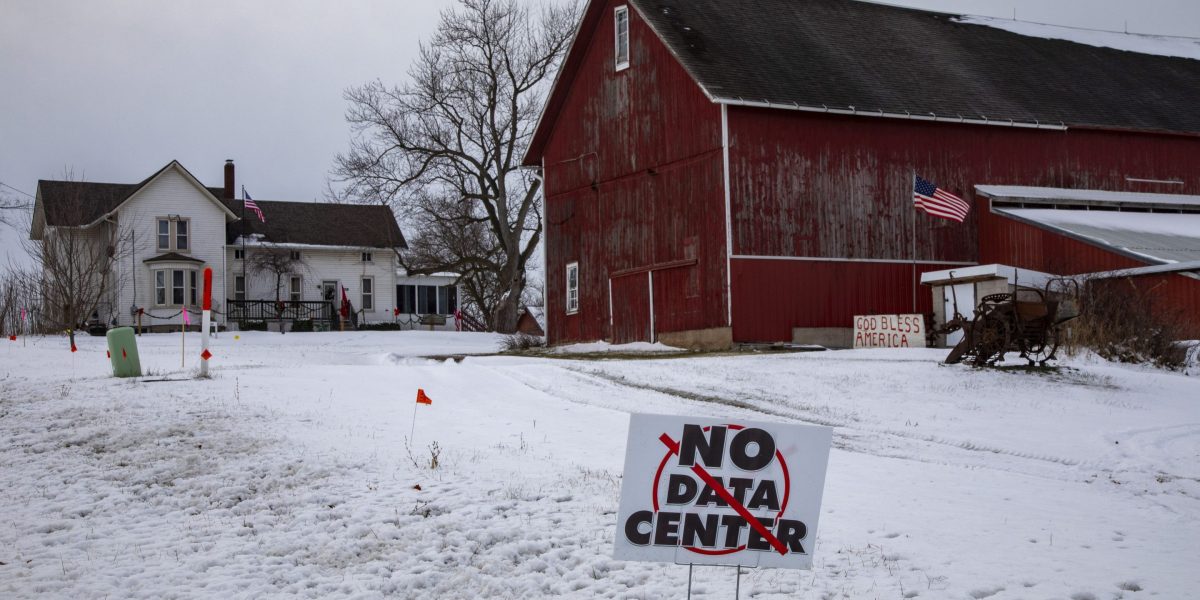
A planned $16 billion AI data center tied to OpenAI and Oracle is under construction in Saline Township, Michigan, weeks after local officials voted it down. Fortune reported that the dispute shows how rural communities can have limited power to stop large data center projects once developers, utilities and state officials line up behind them.
The project, led by Related Digital, would cover 21 million square feet on 575 acres of farmland, according to Fortune. The site is part of OpenAI and Oracle’s Stargate infrastructure effort, and Related Digital said in April it had secured financing for the campus.
Saline Township’s planning commission rejected a rezoning request in September, and the township board then voted 4-1 against the proposal, Fortune reported. Residents had opposed the plan over farmland loss, industrial noise, environmental effects, traffic, emergency services and the project’s fit with the township’s master plan.
Two days after the board vote, Related Digital and the site’s landowners sued the township, according to Fortune. The lawsuit alleged exclusionary zoning, arguing that the township had no land zoned for industrial use and could not bar a data center as a legitimate land use under Michigan law.
Township attorney Fred Lucas told Fortune that officials did not invite or encourage the project and that the board faced poor options. David Landry, who represented the township in the lawsuit, told Fortune that local zoning power is not absolute and that a municipality needs a legally sufficient reason to reject a use.
The township settled within weeks under a court-approved agreement that allowed the project to move ahead, Fortune reported. In return, Saline Township received about $14 million in community benefits, including money for farmland preservation, local projects and fire departments, plus limits on water use, noise and expansion.
State officials courted AI infrastructure
Michigan Gov. Gretchen Whitmer had been seeking major data center investment before the Saline proposal reached local officials, Fortune reported. An OpenAI spokesperson told Fortune that Whitmer’s office contacted the company in February 2025 after the Stargate initiative was announced and later held talks that included OpenAI CEO Sam Altman, DTE Energy and Related Digital.
Whitmer’s office declined to describe those talks to Fortune but said in a statement that the governor wants to attract high-tech employers while ensuring companies are good neighbors. In October, Whitmer praised the Saline project, saying it was expected to create 2,500 union construction jobs, 450 permanent on-site jobs and 1,500 additional jobs in the community, according to Fortune.
DTE Energy told Fortune it worked with Related Digital in spring 2025 to assess electrical connections for the site. The utility will provide about 1.4 gigawatts of power, an amount Fortune described as comparable to a nuclear plant.
Residents continue legal and political fights
Opposition has continued even as construction vehicles began moving dirt in November, according to Fortune. Resident E. Frederick Gall has started a recall effort against three township board members, including the only member who voted for the proposal.
Kathryn Haushalter, a former U.S. Marine who lives near the site, has tried to challenge the settlement in court, Fortune reported. A Washtenaw County judge rejected her motion in February, citing timing and the difficulty of undoing a deal already underway, and Fortune reported that she plans to appeal.
Haushalter and other residents also appealed to the township zoning board, arguing permits were improperly issued because the land remains zoned for agriculture, according to Fortune. Lucas confirmed to Fortune that the township has moved to dismiss that case.
Barry Lonik, a Michigan land preservation consultant, told Fortune the project is out of place in a farming area. He said rural townships can be vulnerable to data center proposals because the projects need large contiguous tracts and access to high-voltage transmission lines.
This story draws on original reporting from Fortune.