
Meta glasses privacy concerns drive new tactics and venue bans
People are trying alerts, face markings and public pressure as fears grow over being filmed by Meta smart glasses.
By Maya Lindqvist · Senior Technology Correspondent
3 min read
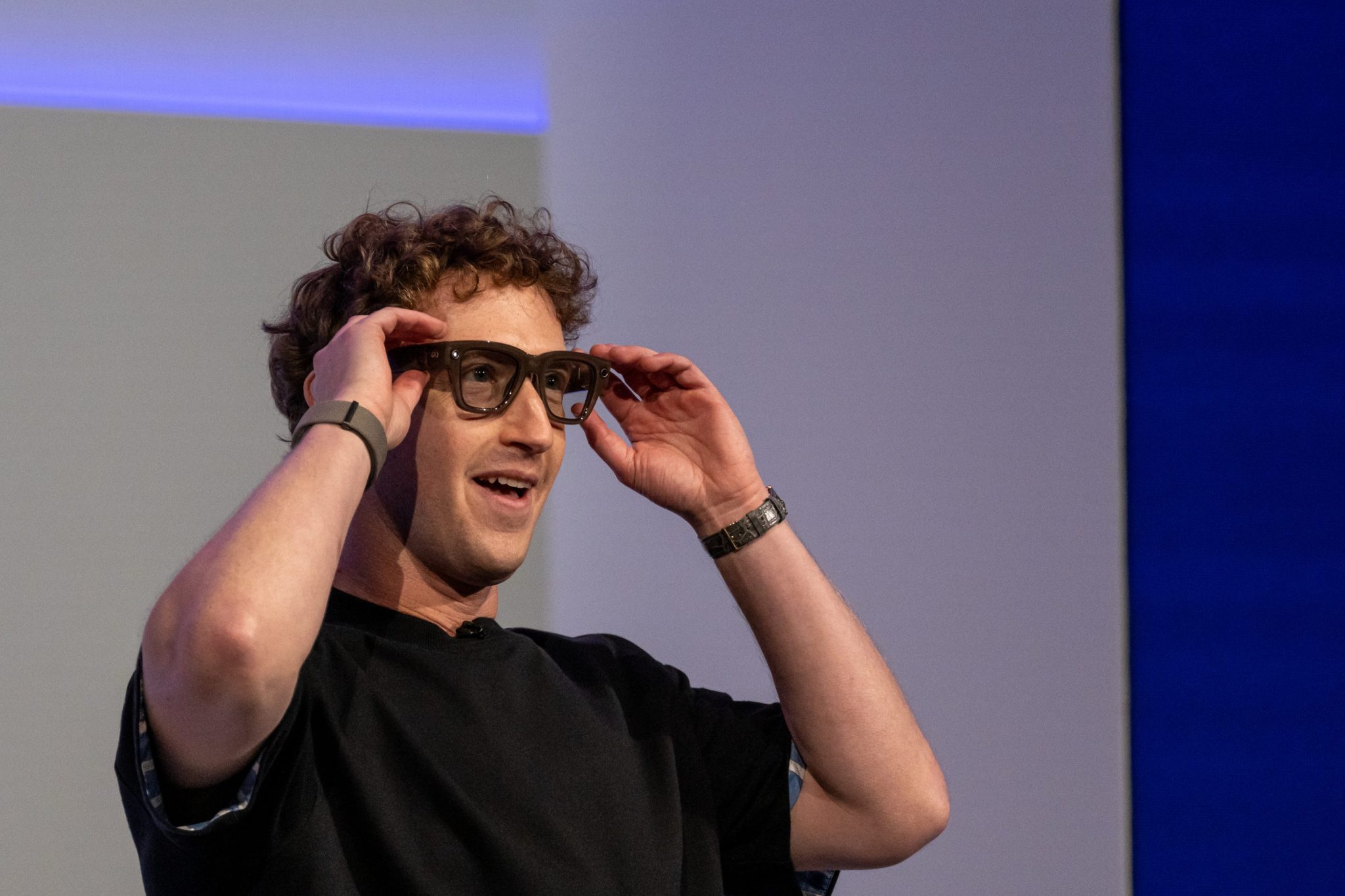
Meta glasses privacy concerns are prompting people to try face markings, third-party alerts and even copyrighted songs as they seek ways to respond to possible recording in public. The backlash matters because these measures may deter use or affect a later upload, but the available reporting does not show they reliably prevent an initial recording.
Meta’s Ray-Ban smart glasses have cameras in their frames, microphones and the ability to livestream to Facebook and Instagram, according to Fortune. Critics and media coverage have used the term “pervert glasses,” reflecting fears that people can be filmed without their knowledge or consent.
How can people tell if Meta smart glasses are recording?
Meta says a white capture LED on the front of the glasses blinks while photos or video are being captured. The company also says the light cannot be switched off, and that covering or blocking it disables the camera, Fortune reported.
That indicator has not ended public unease. The Guardian reported complaints from people who said they had been filmed without prior knowledge, despite Meta’s statement that the flashing LED signals recording.
Reported responses range from avoidance to detection
Fortune reported that some people have applied face markings in an attempt to confuse facial-recognition systems. It also reported that an online idea of singing copyrighted songs when someone suspects recording has circulated. CNN likewise described the idea as an online tip; neither report establishes that it stops a recording.
Another response is Nearby Glasses, a free open-source app created by Yves Jeanrenaud. Its stated purpose is to alert a user when Meta Glasses are nearby, Fortune reported. The reporting does not establish how accurately the third-party app works or whether an alert means someone is recording.
Businesses are also setting their own rules. The Guardian reported that restaurants, pubs and theatres in the UK, including Wetherspoons, have barred Meta glasses over privacy concerns. Such bans prohibit the devices at those premises; they do not provide a technical safeguard against recording elsewhere.
Why the concern has intensified
The Guardian reported that self-described pickup artists have used the glasses to record approaches to women in public without their knowledge, in some cases adding disparaging or misogynistic commentary afterward. Influencers who post footage made with the devices have also faced backlash; the newspaper reported that creator Oliver Hooson estimated he lost 50 to 100 followers after sharing a video filmed with them.
A University of Sydney study cited by Fortune examined more than 350 videos and found that 60% involved behavior classified as potentially harassing. In 43% of the videos, women were subjected to derogatory commentary; the report separately said some subjects were identified or doxxed.
Meta told CNN that privacy is built into its AI smart glasses and that it takes filming without consent seriously. Instagram said it removes harassing content when it finds it, according to Fortune. That approach addresses material after it reaches the platform, while the public debate remains focused on whether people around a wearer know they are being recorded in the first place.
This story draws on original reporting from Fortune.