
Medicare to cover obesity drugs through temporary $50 program
Eligible Part D beneficiaries can get GLP-1 obesity medicines through Bridge, but the Medicare demonstration is set to end in 2027.
By Maya Lindqvist · Senior Technology Correspondent
4 min read
Medicare will begin covering obesity drugs for eligible older adults through a temporary program that charges a $50 monthly copay, CNBC reported. The change gives some beneficiaries access to GLP-1 treatments that Medicare drug plans have generally been unable to cover when prescribed solely for obesity.
The program, called Bridge, starts Wednesday and runs through the end of 2027 unless the Trump administration extends or replaces it, according to CNBC. Medicare Part D plans already cover some GLP-1 drugs for diabetes and certain other conditions, but federal law has blocked coverage for obesity alone.
Who can qualify
CNBC reported that Bridge is available to Medicare beneficiaries with Part D coverage who meet clinical standards tied to body weight and health conditions. Eligible patients include people with a body mass index of 35 or higher, as well as some people with lower BMIs who have related conditions such as prediabetes, a prior heart attack or stroke, or blocked arteries in the arms or legs.
Chris Klomp, director of Medicare and deputy administrator of the Centers for Medicare and Medicaid Services, said at the Aspen Ideas Festival that “several million” beneficiaries are expected to use the program, CNBC reported. Novo Nordisk and Eli Lilly estimate that about 15 million to 20 million older adults in Medicare could qualify for weight loss drugs, according to CNBC.
Doctors, rather than Part D plans, must confirm whether patients meet the rules, CNBC reported. A provider sends the prescription to a pharmacy, completes a prior authorization request for Bridge and submits it to Humana, which CMS hired to process approvals for the program.
What patients may pay
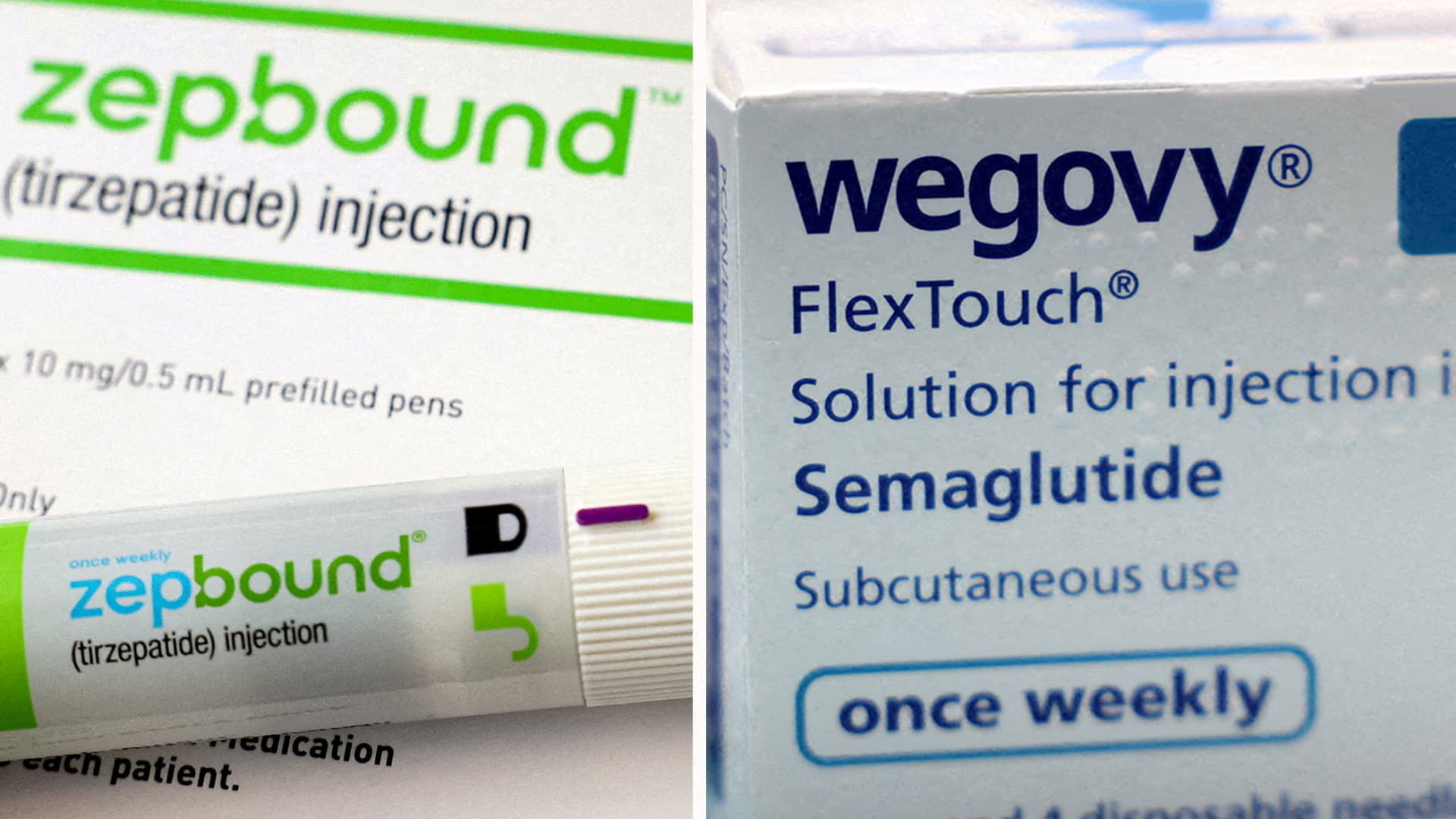
The $50 monthly copay applies across doses, CNBC reported. That is far below the cash prices listed for several obesity medicines, including Novo Nordisk’s Wegovy and Eli Lilly’s Zepbound, which can cost hundreds of dollars a month for patients paying without insurance coverage, according to company pricing cited by CNBC.
Rachel Schmidt, a research professor at Georgetown University’s McCourt School of Public Policy, told CNBC the copay will not count toward a beneficiary’s Part D deductible or the $2,100 annual cap on prescription drug out-of-pocket costs. KFF reported that one-quarter of Medicare beneficiaries had income below $24,600 in 2024, a figure CNBC cited in noting that $600 a year may remain difficult for some seniors.
Dr. Holly Lofton, director of the Medical Weight Management Program at NYU Langone, told CNBC the coverage should improve access for Americans who need the medicines and have been paying on their own or going without them.
Drugs and rollout concerns
CNBC reported that the obesity medicines available through Bridge include Novo Nordisk’s Wegovy injection and tablet, Lilly’s Foundayo pill and Lilly’s Zepbound in the KwikPen form. Lilly USA President Ilya Yuffa told CNBC the company included the KwikPen because one pen contains a month of doses, which he said can make administration easier for providers.
Some doctors expect delays as clinics, pharmacies and authorization systems absorb new demand, CNBC reported. Dr. Carolynn Francavilla Brown of the Obesity Medicine Association told CNBC patients should not assume they can get a prescription filled immediately when the program begins.
CMS expects prior authorization requests to be handled within 72 hours after receipt and is urging electronic submissions, an agency official told reporters, according to CNBC. Humana told CNBC it has experience running a temporary Medicare drug coverage program for low-income beneficiaries and will serve in a similar operational role for Bridge.
Coverage after 2027 is uncertain
Health policy experts told CNBC the program’s expiration creates uncertainty because many patients may need to stay on GLP-1s long term. Juliette Cubanski, director of the Program on Medicare Policy at KFF, told CNBC it is unclear whether coverage will continue after the 18-month program.
CMS had planned a longer-term program called Balance that would shift coverage responsibility to private Part D insurers, CNBC reported. Insurers including CVS and UnitedHealthcare declined to join voluntarily, citing cost and design concerns, according to CNBC.
Kenneth Thorpe, a health policy professor at Emory University, told CNBC that a permanent fix would likely require Congress to pass the Treat and Reduce Obesity Act, which would lift Medicare’s ban on obesity drug coverage. The Congressional Budget Office estimated in 2024 that the bill would increase federal spending by $35 billion over nine years, CNBC reported.
This story draws on original reporting from CNBC.