
Doha talks in doubt as Iran denies planned US meeting
Trump said US envoys would meet Iran in Qatar, but Tehran says its delegation is going only to discuss frozen funds.
By Lucas Ferreira · Science & Environment Writer
3 min read
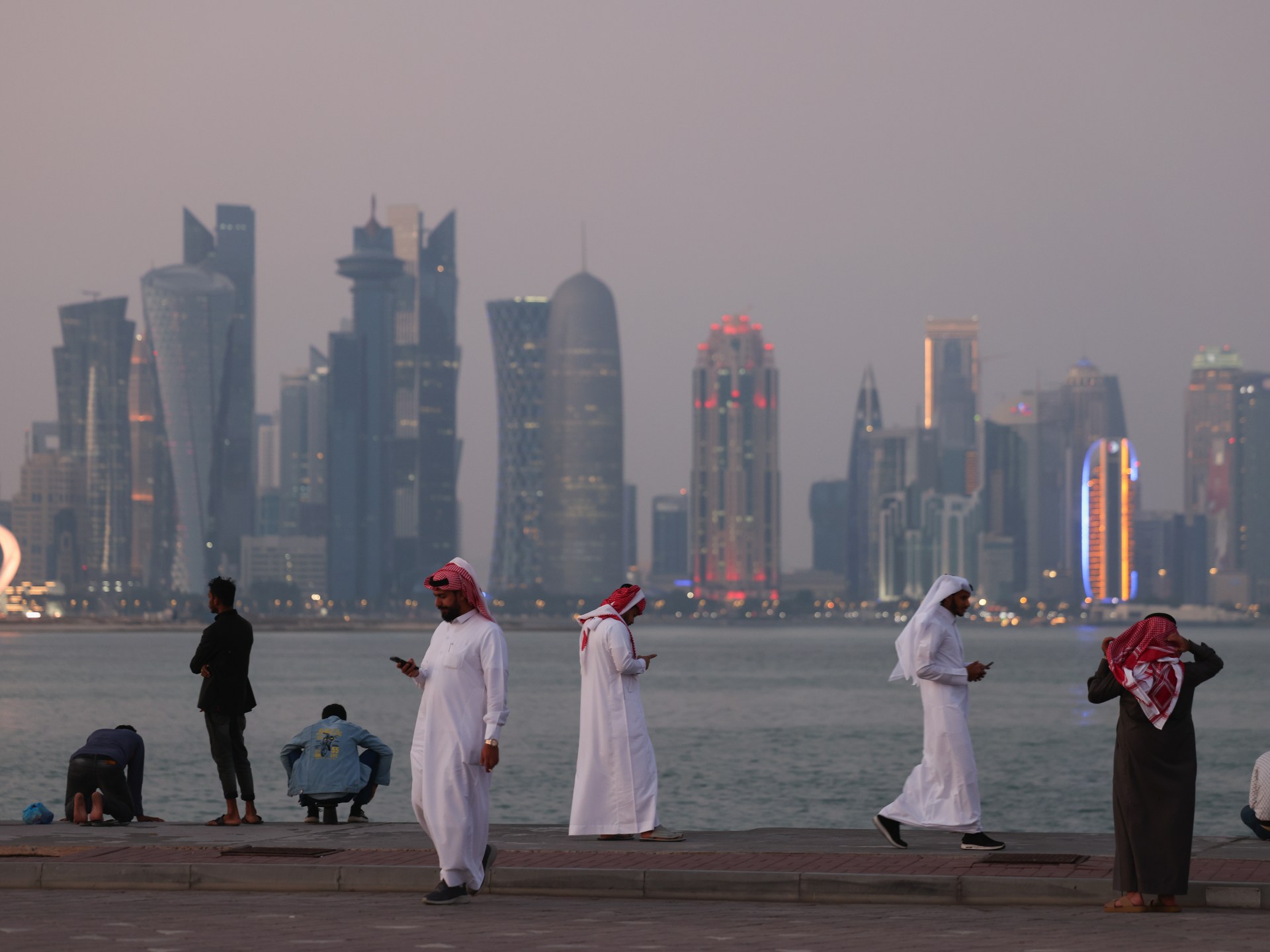
A dispute over whether US and Iranian officials will meet in Doha has clouded efforts to keep a recent Washington-Tehran memorandum from fraying after several days of military exchanges. President Donald Trump said American negotiators would hold talks with Iran in Qatar, while Iran’s Foreign Ministry denied any meeting with the US was planned.
Iran said it would send an expert delegation to Doha to follow up on the release of frozen Iranian assets. Al Jazeera reported that the funds issue is part of a memorandum of understanding signed this month to halt a four-month conflict involving the United States, Israel and Iran.
Conflicting accounts from Washington and Tehran
Trump announced on Monday that Iran had requested a meeting and that it would take place in Doha on Tuesday. Speaking to reporters, he said the meeting could be important, while also framing the US position as focused on preventing Iran from having a nuclear weapon.
White House spokeswoman Karoline Leavitt told US media that Middle East envoy Steve Witkoff and Jared Kushner, Trump’s adviser and son-in-law, would travel to Doha for high-level meetings this week. Al Jazeera’s Mike Hanna, reporting from Washington, said a separate technical discussion has been dealing with implementation details of the memorandum.
Iran’s Foreign Ministry rejected the idea that its officials would negotiate with the US in the coming days. Ministry spokesman Esmaeil Baghaei said Tehran’s priority was to secure implementation of the memorandum, and said the travel of American representatives to Qatar was unrelated to the Iranian delegation’s trip.
Kazem Gharibabadi, a senior Iranian negotiator, had also said in comments carried by Iranian state media that no talks had been confirmed.
Qatar confirms US envoys have arrived
Qatar’s Foreign Ministry spokesman said Tuesday that Kushner and Witkoff had arrived in the country, but would not hold direct meetings with Iranian officials. He said they would meet mediators and discuss the state of negotiations.
The Qatari spokesman also said the frozen Iranian funds were tied to progress in talks between Tehran and Washington. According to him, $6bn in frozen assets had not yet been transferred to Tehran.
Iranian President Masoud Pezeshkian said Monday that $6bn in frozen assets held in Qatar would be released. Al Jazeera reported that Trump and senior US officials had attached conditions to the release of $12bn in funds frozen in Qatar, including that the money be used for food and medical supplies from the United States and that Iran’s access depend on compliance.
Al Jazeera’s Mohammed Vall, reporting from Tehran, said Iran’s technical team was focused on how the memorandum is being carried out, rather than on a next round of political talks. He said Iran had objections and concerns about the pace of implementation, including provisions related to a ceasefire in southern Lebanon.
Strait of Hormuz remains a central dispute
The talks dispute follows the first exchange of attacks between the US and Iran since the memorandum was signed, according to Al Jazeera. Fighting from Thursday to Monday raised pressure on an agreement that both sides have accused the other of violating.
The Strait of Hormuz, a major energy shipping route, remains one of the main points of contention. Iran objected to what it described as a US-backed effort to open a navigation route nearer to Oman that would bypass an Iranian route.
Iranian Foreign Minister Abbas Araghchi said Sunday that the memorandum gave Tehran control of the waterway for 30 days. Qatar’s Foreign Ministry spokesman said a hotline for de-escalation was used to contain last week’s exchanges of fire between the US and Iran.
Article 5 of the memorandum calls for safe commercial shipping through the waterway for 60 days. Al Jazeera reported that Iran views the provision as giving it authority to regulate maritime traffic during negotiations, while the US says Iran should allow ships to pass without interference.
This story draws on original reporting from Al Jazeera.