
Mark Cuban urges employee stock grants as answer to widening pay gaps
Cuban says companies should give workers equity on the same terms as CEOs, arguing stock ownership can spread wealth more broadly.
By Sofia Marchetti · World Affairs Correspondent
3 min read
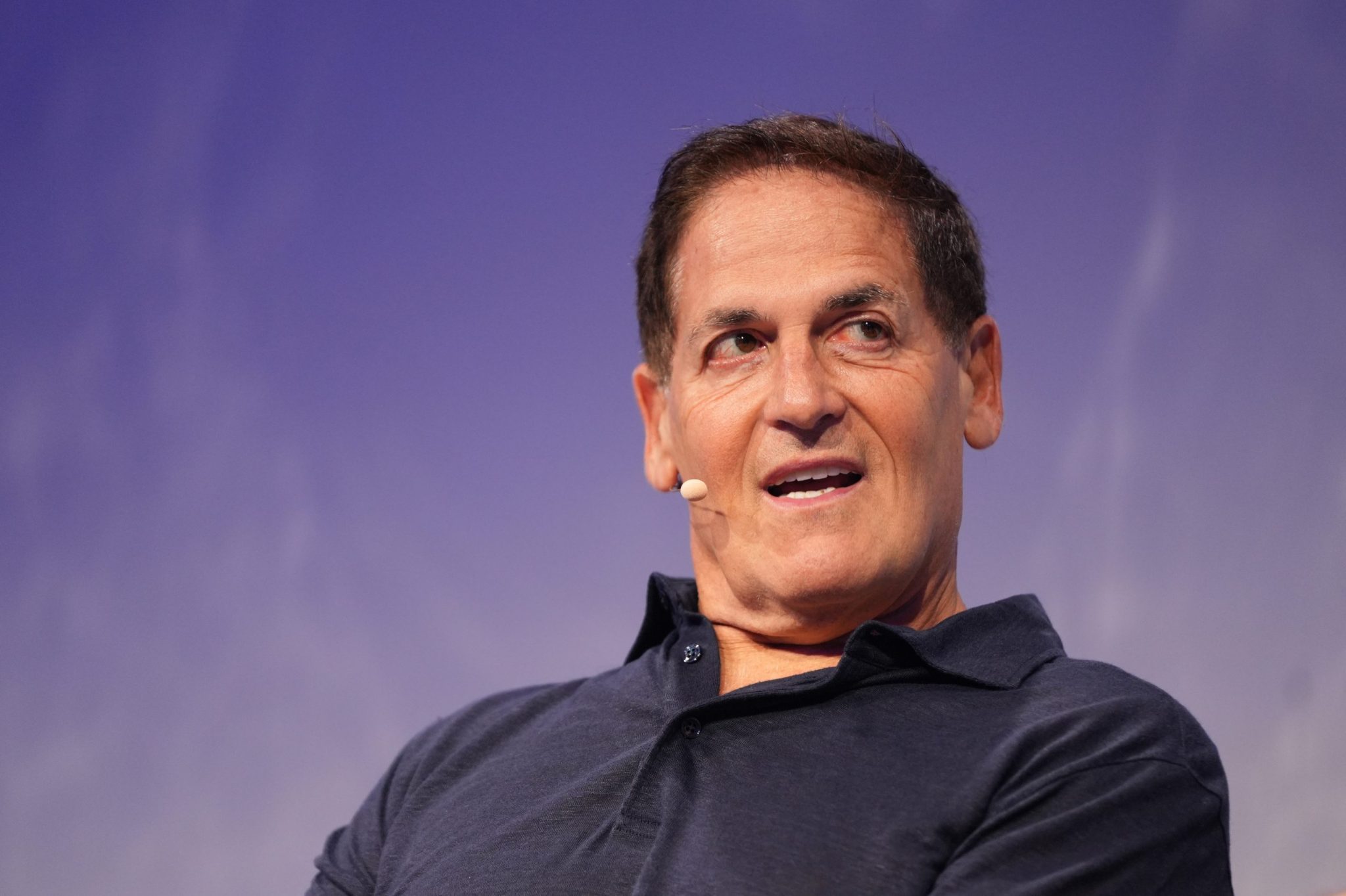
Mark Cuban is pressing companies to make employee stock ownership a standard part of pay, from the chief executive’s office to lower-wage jobs. Cuban said on the Unmoderated News podcast that broader equity grants would let workers share in corporate gains and help reduce income inequality.
The idea drew attention after The Wall Street Journal reported on SpaceX workers whose stakes became far more valuable after the company’s initial public offering. The Journal reported that Juan Hernandez, a former SpaceX welder who joined the company in 2015 at $28 an hour, held an estimated $880,000 in shares after the IPO.
Cuban said company founders and CEOs should give equity to all employees, saying workers should benefit when the business succeeds. He pointed to his own record at Broadcast.com, where he said 330 employees received stock before Yahoo bought the company for $5.7 billion in 1999.
Cuban has said that roughly 300 Broadcast.com employees became millionaires from that deal. He also said he gave equity and cash bonuses to employees at MicroSolutions, his earlier IT consulting company.
Cuban’s proposal
Cuban said governments could push companies toward broader stock grants by offering a lower corporate tax rate than the current 21% rate. Under his example, if a CEO receives stock worth 10% of cash pay, other employees would receive stock equal to the same share of their own pay.
He gave a simple comparison on the podcast: if a CEO earning $1 million in cash receives $100,000 in stock, a janitor earning $50,000 should receive stock at the same percentage of pay. Cuban argued that kind of structure would spread upside through the workforce.
Cuban has made similar arguments about pay and wealth before. In an X post, he said he raised pay at a company he had invested in after learning some employees needed government assistance, calling the situation embarrassing and saying he had helped create at least 1,000 millionaires.
He has also advocated for a $20 federal minimum wage, according to prior reporting. Cuban has tied those views to what he calls “compassionate capitalism,” including his launch of Cost Plus Drugs in 2022 to sell mostly generic medications while bypassing typical pharmacy benefit manager middlemen.
Pay gap data and ownership research
The AFL-CIO reported that S&P 500 CEOs made 285 times the median worker’s pay in 2024, up from 268 times in 2023. The group said average CEO compensation reached $18.9 million, with the average package rising $1.4 million, or 7%, from the previous year.
Employee ownership has support in some academic research. A 2021 Harvard Business School study using government data found that if all private U.S. firms were 30% employee-owned, household wealth would effectively double, while the richest 1% would see average net wealth fall by 14%.
A 2004 Rutgers University study found companies with employee ownership stakes of at least 5% had a higher chance of survival than firms without those stakes. The researchers linked that finding to greater employment security.
Other technology executives have also backed employee ownership. Elon Musk told Texas Gov. Greg Abbott that he believes everyone at a company should receive stock so they can share in gains, and the SpaceX IPO has created at least 4,400 millionaires, according to the reported figures.
This story draws on original reporting from Fortune.