
LaLiga chief says AI and anti-piracy tools can ease football’s money strain
Javier Tebas said data, AI and piracy enforcement can improve broadcasts, protect revenue and reduce pressure to add more football competitions.
By Sofia Marchetti · World Affairs Correspondent
3 min read
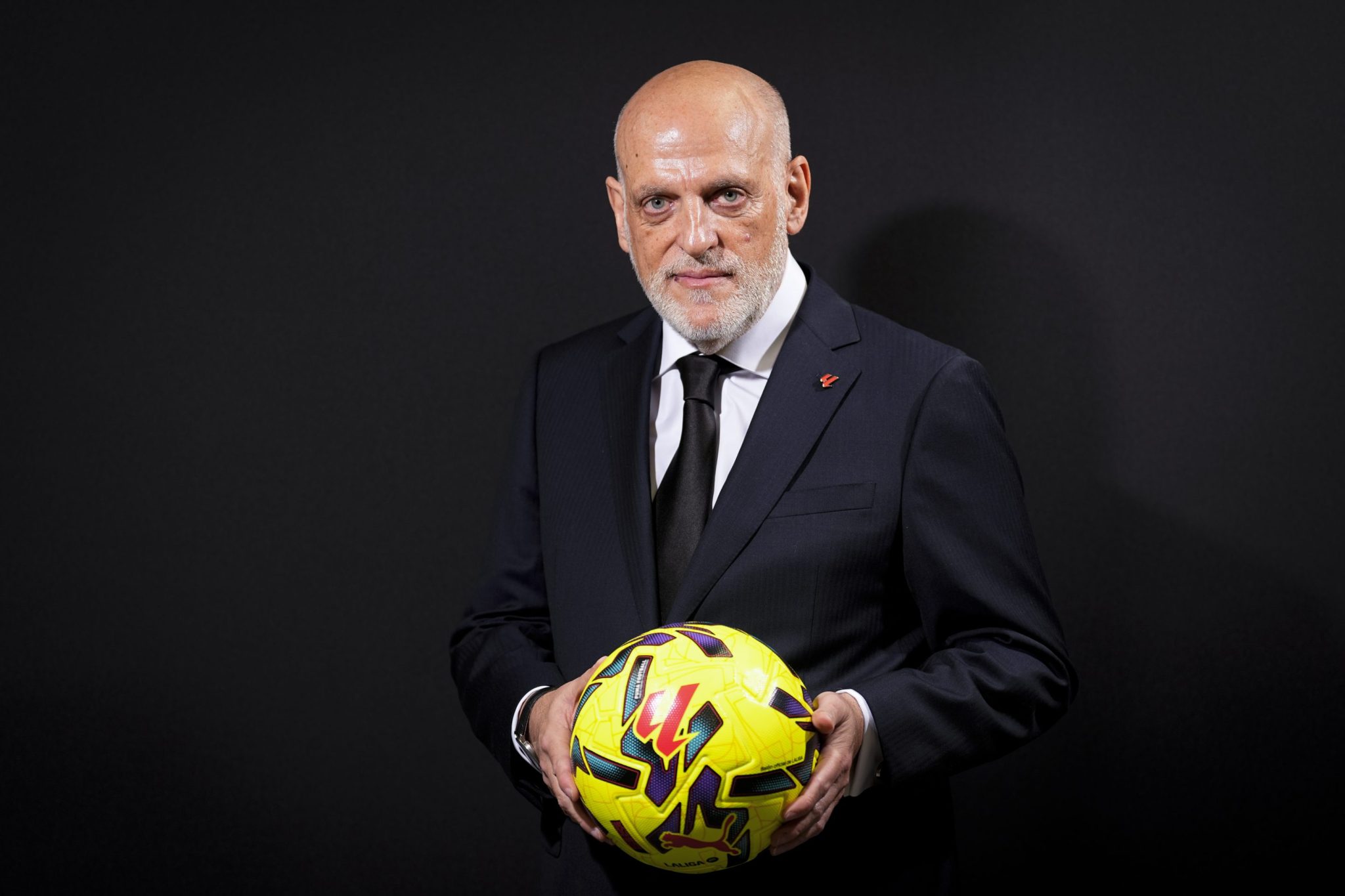
LaLiga president Javier Tebas says football can use technology to improve how supporters watch matches and protect the money that pays for the sport. Speaking at the Globant Tech Summit in New York, Tebas argued that AI, data tools and stronger anti-piracy work could reduce pressure on organizers to create or expand competitions.
The comments come after a World Cup that put new technology in front of a global audience. The tournament expanded from 32 teams to 48, while fans saw video assistant referee decisions, referee point-of-view cameras and semi-automated offside alerts that showed close positional calls in high resolution.
Tebas said, in Spanish, that football organizations must learn to use technology well if they want to improve the experience for supporters, broadcasters and customers. He said adoption inside clubs and leagues is difficult because staff and organizational structures have to change along with the tools.
Data in the broadcast booth
According to Tebas, LaLiga is already using data in its television broadcasts. He said those systems help commentators show viewers what is happening during a match, adding context and visual information beyond the live camera feed.
Tebas described the current period as a strong moment for data in sport because it can make fans more engaged with matches. He also said LaLiga is becoming a sports organization that provides technology solutions, rather than only staging games.
The use of technology at recent international matches has stretched from officiating to presentation. Ball sensors have been used to detect slight touches, while camera systems have given viewers angles that were not common in earlier eras of football coverage.
Piracy and competition growth
Tebas linked the technology argument to football’s revenue problem. He said piracy creates a rival market where LaLiga’s product is sold cheaply or offered free, removing what he called important capital from the sport.
He pointed to the expanded Champions League format and the Club World Cup as examples of the financial pressure pushing football toward more matches and larger competitions. Tebas argued that if leagues can cut piracy and improve the fan product with AI, football can meet its financial needs without adding as much strain through expansion.
Tebas also said the biggest revenue-generating competitions do not include most professional players. He said tens of thousands of professionals worldwide do not participate in the events that generate 80% of the industry’s revenue, and argued that decision-makers should pay more attention to that wider group.
Fans now follow in real time
Former U.S. international Cobi Jones, who played in three World Cups and worked as a broadcaster at the tournament, also said technology has changed how fans relate to football. Comparing the current game with 1994, when the United States last hosted the World Cup, Jones said there was no social media then and far less technology around matches.
Jones said fans can now receive real-time information and better understand what is happening on the field. He also said instant global connection changes the shared experience of watching, recalling that friends in Austria could watch at the same time he did in the United States.
Jones said many supporters may forget specific plays from a given matchday, but they will remember how the tournament made them feel. For Tebas, the business case is tied to that same point: technology has to make football more engaging while helping the sport protect the revenue it already earns.
This story draws on original reporting from Fortune.