
Klarna applies for U.S. bank charter to expand beyond pay-later loans
The Swedish fintech said a Utah-chartered bank would let it bring more U.S. payments, credit and merchant services under its own roof.
By Daniel Okafor · Business Editor
2 min read
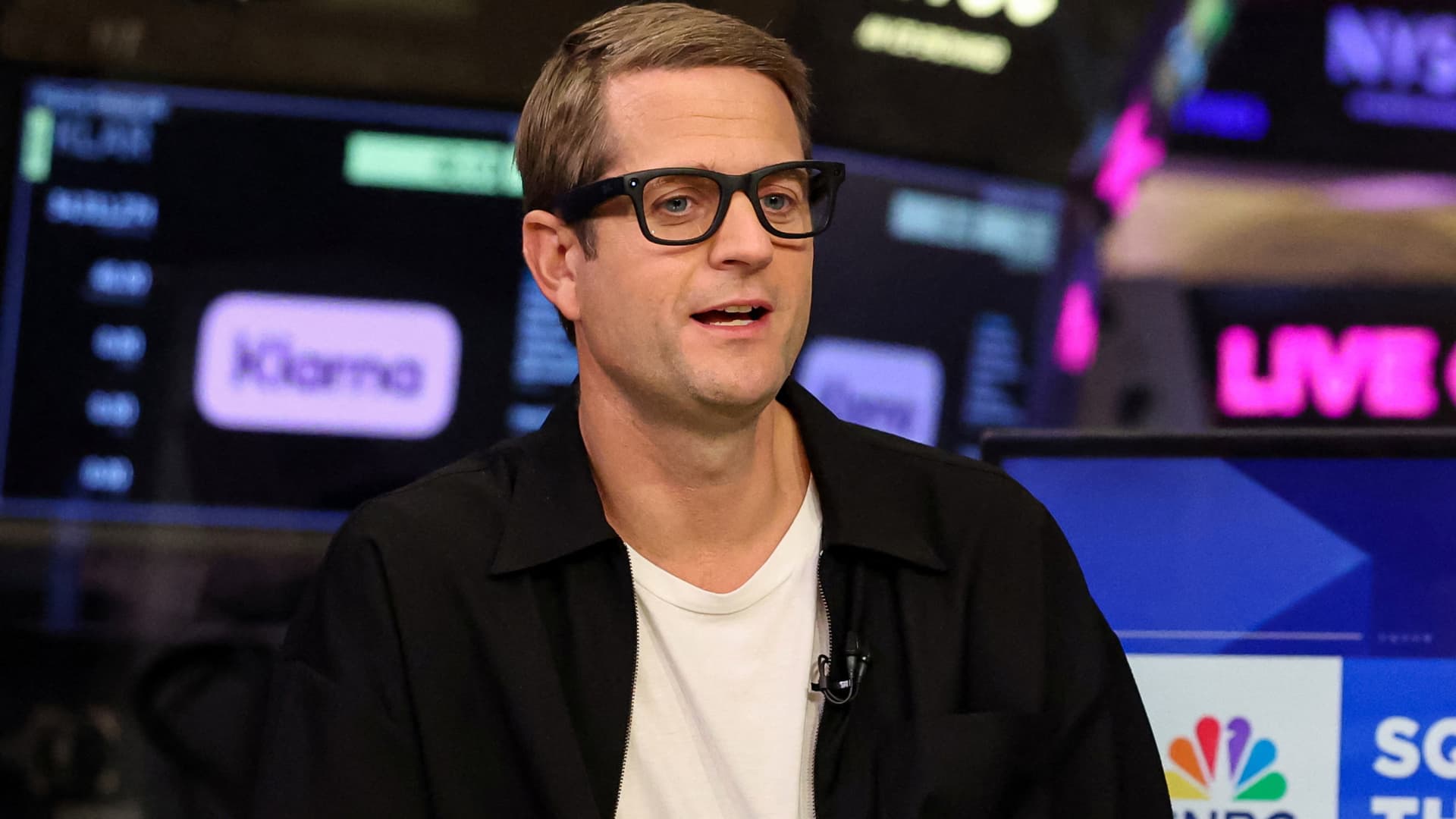
Klarna has applied to federal and state regulators to form a U.S. bank subsidiary, the company said Monday. Approval would give the Swedish fintech its own regulated banking base in the United States as it expands beyond buy now, pay later lending.
The proposed Klarna Bank USA would be chartered in Utah and insured by the Federal Deposit Insurance Corporation, according to Klarna. The company said Gary Harding, a former chief executive of Milestone Bank and Prime Alliance Bank, would lead the bank if regulators approve the application.
Klarna co-founder and CEO Sebastian Siemiatkowski said the company has seen demand in the United States for what he called a fairer and more transparent approach to financial services. He said a U.S. banking license would allow Klarna to offer customers tools for responsible borrowing and add more competition and choice in the market.
Fintech firms seek more control
The application places Klarna among financial technology companies trying to own bank charters instead of relying mainly on partner banks. CNBC reported that Mercury, another fintech company, said in April it had received conditional approval to establish its own bank, as more fintech and crypto firms seek access to the traditional banking system.
Klarna said a bank charter would allow it to move more of its banking operations in-house and improve reliability across payments, credit and merchant services. The company currently offers several financial products in the United States through partners.
Last month, Klarna introduced high-yield savings accounts for U.S. customers, according to the company. Those accounts are held by WebBank, Klarna said.
Owning a bank can change the economics for a fintech lender. CNBC reported that a charter would let firms fund loans with customer deposits instead of more costly wholesale financing, offer products such as checking accounts and credit cards directly, and reduce dependence on third-party banking partners.
A wider banking push
Klarna built its name on buy now, pay later products, which let shoppers split purchases into installments. Its U.S. bank application points to a broader plan to operate more like a consumer financial institution, with a larger share of the payments and lending process inside the company.
The bid also comes after Klarna became a public company. CNBC reported that Klarna went public last September at an initial public offering price of $40 per share and is now trading at about half that level.
Regulators still must decide whether to approve the proposed Utah-chartered bank. Klarna said the bank would operate as an FDIC-insured institution if the application clears the federal and state review process.
This story draws on original reporting from CNBC.