
Jamie Dimon says insecure CEOs put companies at risk
The JPMorgan chief said leaders falter when they hide bad news, resist criticism and pretend to know more than they do.
By Sofia Marchetti · World Affairs Correspondent
3 min read
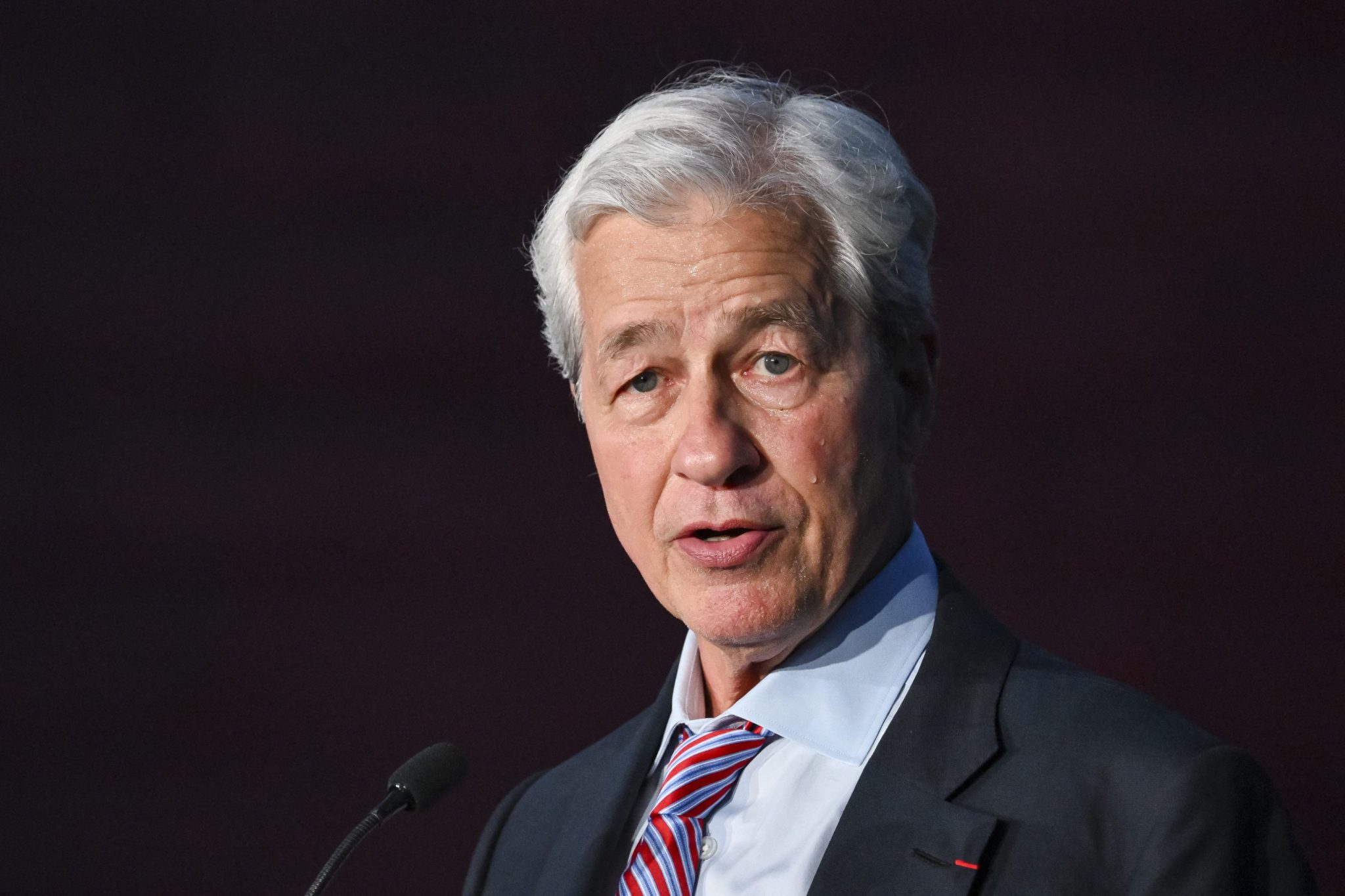
Jamie Dimon said insecurity can do more damage to a chief executive’s career than a lack of technical knowledge, because it can cause leaders to shut out the information they most need. The JPMorgan Chase chairman and CEO made the comments on the Master Investor Podcast in an interview published Monday.
Dimon, who has led JPMorgan for 20 years, said senior executives often reach the top after running one part of a company where they had deep expertise. Once they become CEO, he said, they must oversee many areas they do not know as well.
“The bigger job you get, the less you know—literally—about the job,” Dimon told the podcast.
According to Dimon, strong CEOs respond by surrounding themselves with people who understand those areas and by accepting that they will not have every answer. He said weaker leaders can become embarrassed by gaps in their knowledge, which leads employees to manage appearances rather than confront problems.
“It becomes PowerPoints, you know, make them look good, don’t tell them the bad news. And that is what causes the problem,” Dimon said.
Dimon links insecurity to bad information
Dimon said insecurity is a deeper leadership flaw than ego because it can distort how information flows through a company. He said executives must be willing to hear criticism, including from customers, and use it to improve products and operations.
“You’re not going to hurt my feelings by telling me we have a crappy product,” he said. “If you’re right, I’m gonna thank you for letting me know.”
Dimon’s view reflects themes he has raised before about management culture. Fortune reported that he has warned that bureaucracy, complacency and arrogance can weaken successful companies, and that in April he called for companies to “get rid of the jerks,” referring to managers more focused on process than results.
Fortune also reported that Dimon has criticized what he calls “rope-a-dope politics,” where withholding information produces needless internal debate and slows results. His comments on insecure CEOs fit that same pattern: leaders who cannot tolerate bad news may encourage subordinates to hide it.
JPMorgan record gives remarks added attention
Dimon has been JPMorgan’s CEO since 2006, and Fortune described the bank as the largest U.S. bank by market value. During his tenure, the company has grown into a $917 billion institution, according to Fortune.
Fortune reported that Dimon’s “fortress balance sheet” approach, built around liquidity and conservative risk controls, helped JPMorgan get through the 2008 recession. The bank also expanded through acquisitions of distressed rivals, including Bear Stearns in 2008 and First Republic Bank in 2023, according to Fortune.
Dimon’s comments place him alongside other executives who have argued that leaders should make room for dissent and learning. Fortune reported that Microsoft CEO Satya Nadella has promoted a growth mindset and sought to move Microsoft from a “know-it-all” culture to a “learn-it-all” culture. Fortune also cited Ray Dalio, founder and former CEO of Bridgewater Associates, as an advocate of “radical transparency,” including open challenges and direct discussion of mistakes.
Dimon said he applies a similar principle in JPMorgan’s boardroom. He told the podcast that for two decades he has left every board meeting so directors can speak without the pressure of his forceful presence.
He said leaders have to keep earning trust and avoid taking criticism as a personal slight. “I’m not trying to do the thing that I want to do, I want to do the right thing for the company,” Dimon said Monday.
This story draws on original reporting from Fortune.