
Irish founders turn Bingo Loco into a $24 million live-events business
Locomotive says its bingo-meets-party format now runs 2,000 shows a year across 15 countries, with Denver serving as its North American base.
By Daniel Okafor · Business Editor
3 min read
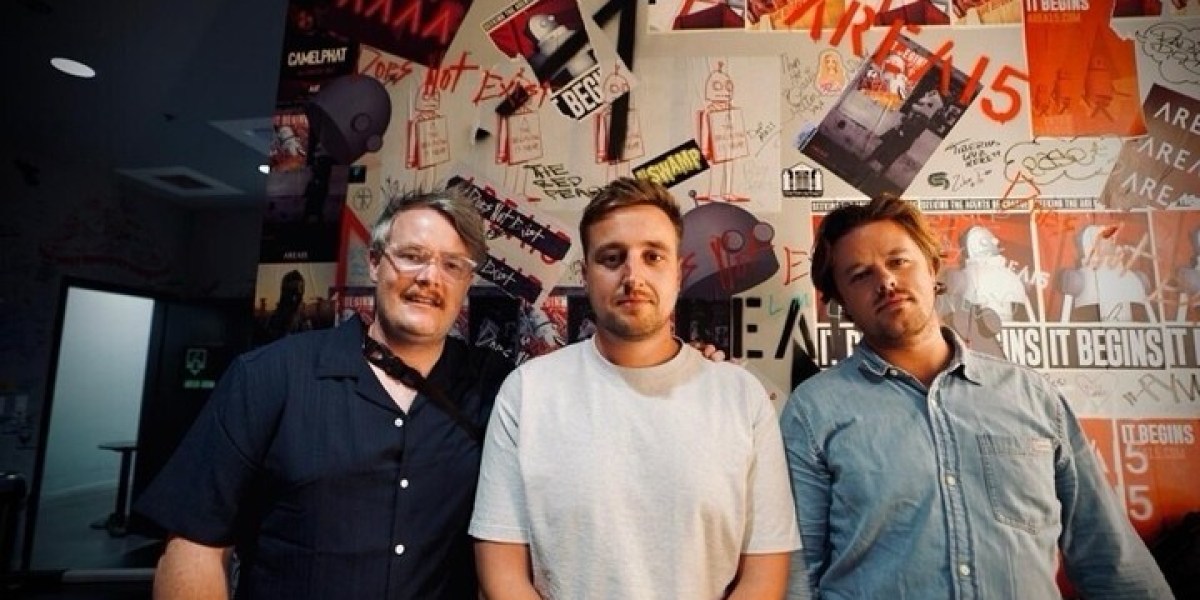
Three Irish entrepreneurs have turned a Dublin basement bingo night into a global live-events company with $24 million in annual ticket sales, Fortune reported. Their company, Locomotive, has found demand in U.S. suburbs and college towns that larger concert promoters often overlook.
Locomotive’s flagship event, Bingo Loco, mixes bingo with a DJ, an emcee, communal seating, audience games and prizes. According to Fortune, co-founders Craig Reynolds, Will Meara and Stephen Lawless started the concept in 2017 after getting about 100 friends to attend a rainy Thursday-night event in Dublin.
From Dublin to U.S. suburbs
The company now runs about 2,000 shows a year in 300 cities across 15 countries, selling more than 1 million tickets, according to records reviewed by Fortune. Those records showed roughly $8 million in profit, and the founders told Fortune they built the business without outside investment.
Reynolds moved to Denver in 2025, and Locomotive made the city its North American headquarters the following year, Fortune reported. Lawless is based in the Dallas area, where the company also has extensive operations.
Reynolds told Fortune that Denver offers central geography, strong live-entertainment venues, a millennial audience and a major airport. He also said advertising costs make it easier to test new ideas there than in New York or Los Angeles.
A format built around nostalgia
Fortune reported that Bingo Loco is aimed heavily at millennials, using music from the 1990s and early 2000s as a shared hook. Reynolds told Fortune that internet-era fragmentation weakened a common pop culture, while millennial crowds still recognize the same throwback songs.
The company’s founders also told Fortune that people are seeking in-person connection. Meara described the event as a way to help strangers connect more quickly, with attendees alternating between dancing, playing bingo and talking at shared tables.
The format gives local hosts broad room to adapt shows to their markets, the founders told Fortune. The company recently expanded further into mainland Europe, with shows in Finnish, Swedish, Norwegian and Danish, according to the report.
Finding gaps in the live-events calendar
Reynolds told Fortune that major promoters such as Live Nation and AEG book far ahead and control major rooms, but venues can still have open dates a few months out. Locomotive uses those gaps for events that do not depend on a touring artist or long-distance fan travel.
In the Dallas-Fort Worth area, Locomotive operates in places including Frisco, Plano, McKinney, Arlington and Fort Worth, according to Fortune. Reynolds said the company’s heat maps show limited ticket-buyer overlap among nearby shows.
Fortune reported a similar strategy in greater Los Angeles, where Locomotive runs events in Long Beach, Anaheim, Costa Mesa, Oxnard, Riverside, Pomona, Hollywood and Downtown Los Angeles.
World Cup crowds notice the same markets
The company’s attention to smaller and mid-sized U.S. markets comes as World Cup visitors have been praising American hospitality. Reuters reported that a German tourist who arrived in Dallas bought a cowboy hat, ate barbecue and said he wanted to experience more of the country.
Fortune also cited a Swiss fan from Zurich who posted on Reddit about how friendly and outgoing people in the United States seemed. Meara told Fortune that travel for Locomotive had given him a similar view of places such as North Dakota and rural Virginia.
Reynolds told Fortune he sees a willingness in the United States to try new things when a deal benefits all sides. Locomotive’s growth suggests that, for live entertainment, that appetite extends well beyond the country’s largest coastal cities.
This story draws on original reporting from Fortune.