
1964 folk set traced the roots of Dylan’s electric turn
Music historian Ted Olson says Elektra’s “The Folk Box” still offers a guide to how American music absorbs change.
By Sofia Marchetti · World Affairs Correspondent
4 min read
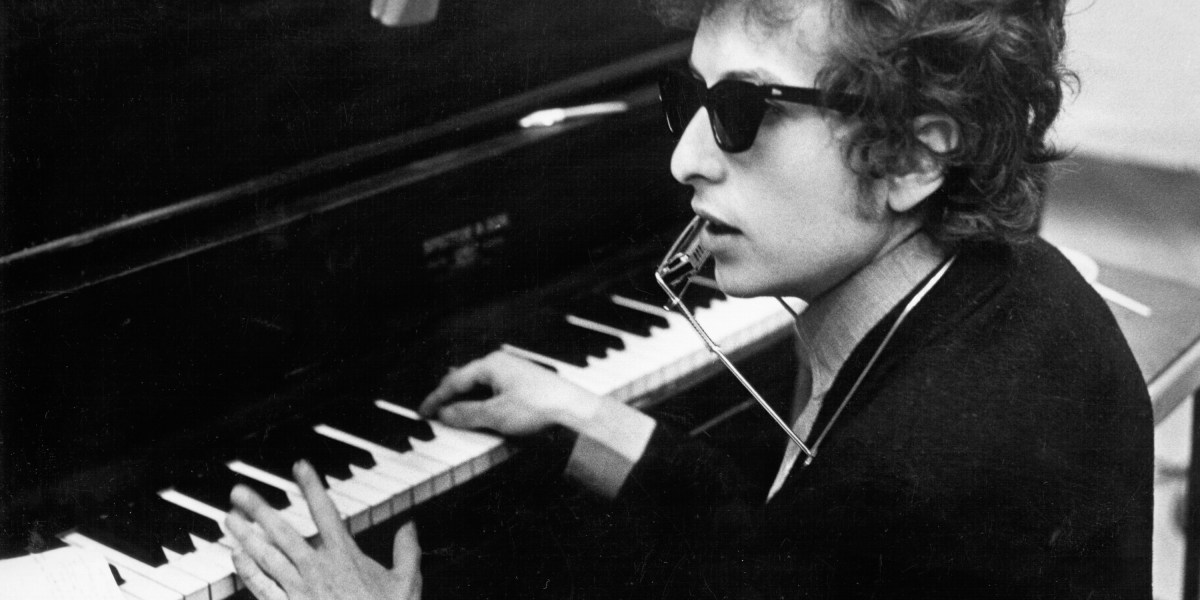
A four-record collection released by Elektra Records in 1964 framed American folk music as a tradition built through migration, conflict and reinvention, according to music historian Ted Olson. Olson, a professor at East Tennessee State University, argues in The Conversation that “The Folk Box” remains a useful map of how American music developed from colonial-era songs to the counterculture.
The set was compiled by Elektra founder Jac Holzman as a four-LP, 83-track survey of American vernacular music, Olson wrote. It drew on Elektra artists and Folkways Records material, and included a 48-page booklet by Bob Dylan biographer Robert Shelton.
Olson describes the album as more than a historical sampler. In his account, it presented American music as a record of the country’s changing population and social tensions, with older forms repeatedly altered by new communities, technologies and political moments.
A broad sweep of American roots
Olson begins the story before the United States existed, noting that Indigenous musical traditions were already present in North America before European settlement. He writes that European songs then entered colonial life, with colonists adapting British melodies for new political lyrics; Francis Scott Key later used British song material in writing the national anthem.
“The Folk Box” follows that early inheritance through songs such as “Good Old Colony Times,” performed by Ed McCurdy, and “Jefferson and Liberty,” sung by Oscar Brand, Olson wrote. He says Revolutionary-era broadsides spread lyrics set to familiar tunes, helping songs travel through taverns, town squares and communities.
The set also traces how imported British ballads changed in Appalachia. Olson cites Clarence Ashley and Doc Watson’s performance of “The Coo-Coo Bird” as an example of regional music reshaping older narrative traditions into shorter, emotionally direct folk songs suited to later commercial recording.
African traditions and new American forms
Olson says the forced migration and enslavement of African people brought musical practices that transformed American sound, including polyrhythms, call-and-response patterns and vocal techniques associated with blue notes. Those elements combined with European harmony in spirituals and later helped shape the blues, according to his account.
The collection represents that history with recordings including Huddie “Lead Belly” Ledbetter’s “Pick a Bale of Cotton” and Blind Willie Johnson’s “Dark Was the Night, Cold Was the Ground,” Olson wrote. He also points to Josh White and Big Bill Broonzy as blues artists whose work on the set connects to later jazz, rhythm and blues, and rock and roll.
Western and country traditions appear through songs tied to cowboy life and migration, including Harry Jackson’s “I Ride an Old Paint” and Cisco Houston’s “Zebra Dun,” Olson wrote. He links those songs to Irish and Scottish railroad workers, Mexican vaqueros and a frontier storytelling style that later fed country and bluegrass.
From protest music to Dylan
Olson says recording technology and radio helped regional music reach wider audiences in the early 20th century. During the Great Depression and Dust Bowl years, he writes, folk music also became a vehicle for labor politics and social protest.
The box set reflects that period with Woody Guthrie’s “This Land Is Your Land” and “Talking Dust Bowl,” along with “Which Side Are You On” by The Almanac Singers, Olson wrote. By the 1960s, its final sides moved into the urban folk revival, featuring contemporary topical songwriting by Phil Ochs and Tom Paxton and a Judy Collins recording of Dylan’s “Masters of War.”
Olson connects the collection to the cultural moment just before Dylan’s electric performance at the Newport Folk Festival. He writes that Holzman’s support and Dylan’s example helped give rise to the singer-songwriter movement, extending folk’s older habit of borrowing, adapting and arguing with the past.
In 2014, Olson worked with Holzman on a 50th anniversary edition released by Rhino Records in the original packaging and vinyl format. The reissue added a 45 rpm single of Paxton’s Elektra recording of “The Last Thing on My Mind,” a song Olson notes was later recorded or performed by Peter, Paul & Mary, Dolly Parton, Neil Diamond and many others.
This story draws on original reporting from Fortune.