
Young Rwandans mark Liberation Day with pride, grief and uncertainty
As Rwanda commemorates the end of the 1994 genocide, young adults told Al Jazeera that recovery is tied to jobs, trauma and family wounds.
By James Whitfield · Staff Writer
3 min read
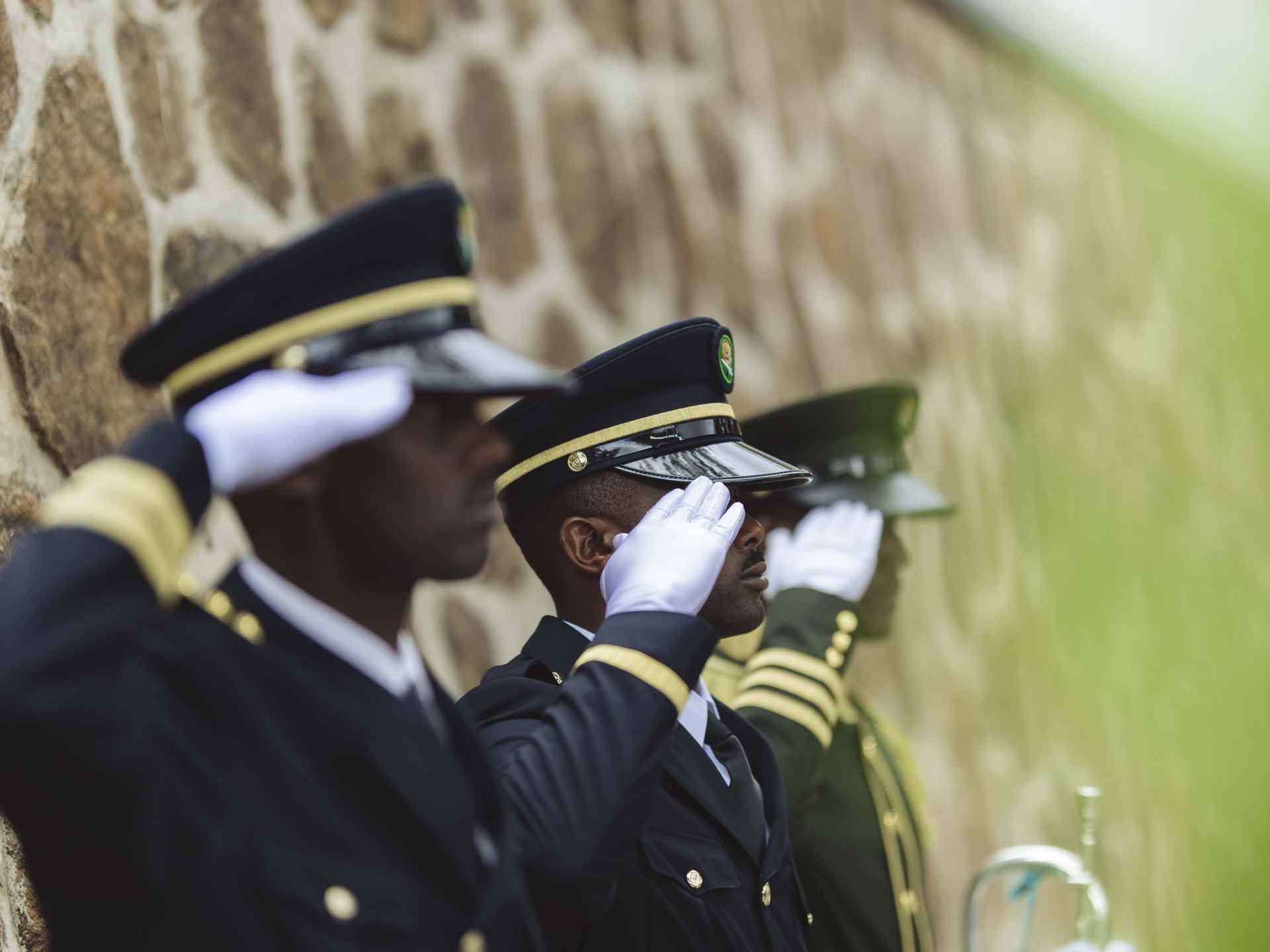
Rwanda marked Liberation Day on July 4, commemorating the Rwanda Patriotic Front’s military victory that ended the 1994 genocide against the Tutsi. For many young Rwandans born after the killings, the day carries both national pride and personal pain.
The genocide killed about 800,000 people over 100 days, according to Al Jazeera. The RPF, led by Paul Kagame, took power after defeating the forces behind the genocide; Kagame has served as president since 2000.
Claudette Kamikazi, a 29-year-old shop owner in Kigali, told Al Jazeera that tourism has helped her souvenir business as Rwanda promotes itself abroad. Her own family history, though, keeps the genocide close: her mother survived, while her father was convicted for his role in the killings and received a life sentence in 1998.
Kamikazi said Liberation Day means her mother lived and that she herself was able to be born, but it also reminds her that her father has spent most of her life in prison. Al Jazeera reported that her experience reflects a painful legacy in families where some Hutu extremists killed Tutsi relatives, while others protected them at great risk.
Economic gains and job pressures
Kagame’s government presents liberation as an unfinished national project built around unity, growth and reconstruction. Al Jazeera reported that Rwanda’s economy has grown by about 7 percent a year on average over the past decade, with tourism, technology, mining and agribusiness among the drivers.
Young people account for more than 65 percent of the population, according to Al Jazeera, making employment a central test of that project. Christopher Teganya, 26, who recently completed a master’s degree and is out of work, told the network that Liberation Day remains an important historical moment but loses force when young people cannot see a path ahead.
Rwanda has invested in infrastructure and development projects, including a new international airport being built about 40 kilometres from Kigali. Al Jazeera reported that such projects have generated thousands of jobs, but a government survey put youth unemployment at about 14 percent.
Teganya pointed to the ruling RPF’s 2024 campaign pledge to create 200,000 jobs a year, saying he does not believe that promise has been met. Kagame won that election with more than 99 percent of the vote, according to Al Jazeera.
Healing beyond reconstruction
Rwanda’s political and economic record remains contested. Rights groups have criticised limits on opposition politics, speech and civic activity, while the trial of opposition figure Victoire Ingabire continues to divide opinion inside and outside Rwanda, Al Jazeera reported.
Sabrine Gatesi, a 30-year-old nurse, told Al Jazeera that Rwanda’s recovery cannot be measured only through buildings, roads or business growth. She said many people still live with trauma left by the genocide.
Research by Rwanda’s health authorities found that one in five people in the country has a mental health disorder, rising to more than half among genocide survivors, according to Al Jazeera. The country also has too few mental health professionals more than three decades after the genocide.
Officials now frame Liberation Day as part of Rwanda’s long-term aim to become a high-income country by 2050, Al Jazeera reported. Among young Rwandans interviewed by the network, hope often sits beside grief, especially as reconciliation programmes continue and some genocide convicts are released after rehabilitation.
Kamikazi told Al Jazeera she expects her father to come home before the end of the year. For her, liberation is tied to her mother’s survival, her father’s possible return and the business that supports her life today.
This story draws on original reporting from Al Jazeera.