
Iran signals possible fees for ships using Strait of Hormuz
Iran’s Strait authority says vessels need permits and insurance, while the U.S. says ships continue to pass without accepting those terms.
By Hana Yoshida · Markets Reporter
3 min read
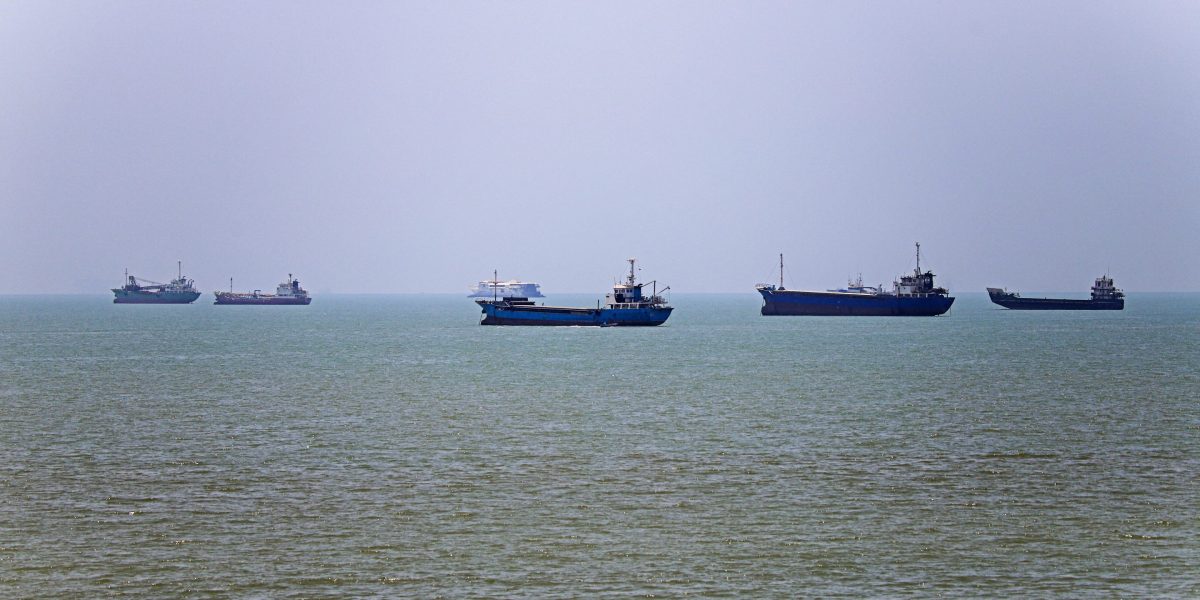
Iran said ships crossing the Strait of Hormuz must obtain permission and carry mandatory insurance from its Persian Gulf Strait Authority, raising concern among shippers that Tehran could seek to charge vessels using the vital energy passage. U.S. Central Command said more than 20 vessels moved through the waterway overnight and said U.S. forces would support free passage without what it called arbitrary requirements.
The opposing positions have left shipowners and oil producers trying to assess how traffic through Hormuz will work after the U.S. and Iran reached an interim agreement to reopen the strait, according to Bloomberg. Vessel tracking showed fewer ships crossing with their signals on Friday after an earlier increase, and after Pakistan reported a mine near Oman’s coast, Bloomberg reported.
In a document posted on its website, Iran’s Persian Gulf Strait Authority said vessels must use a route it has designated along Iran’s coast and said other routes are barred. The authority said the required insurance is now being provided at no cost, with Iran covering the expense, but added that it reserves the right to impose fees later through the relevant insurer.
The document said shipowners would have to apply to the authority for a passage permit, normally receiving a response within 48 hours. The permit would cover one crossing and remain valid for five days, according to the Iranian authority. It also published a map of routes it considers safe and said departures from the fixed corridor would be treated as violations.
Shipping companies and oil producers have become wary of any move toward tolls, Bloomberg reported, because the memorandum of understanding with the U.S. says transit will be free only during its 60-day term. A senior official told Bloomberg that U.S. allies led by the U.K. are pressing the Trump administration not to accept or legitimize Iranian fees for Hormuz passage.
Industry groups have warned that tolls would conflict with international maritime law and could set a precedent for other waterways, Bloomberg reported. Iran’s Gulf authority, known as the PGSA, was created during the war and later sanctioned by the U.S.; neighboring states have rejected its legitimacy and told shipowners not to deal with it, according to Bloomberg.
U.S. Central Command said American forces would keep operating in the area in support of freedom of navigation. Its statement that more than 20 ships transited overnight suggested at least some vessels crossed without broadcasting their positions, a practice Bloomberg said had already increased before the peace deal as ships moved through Hormuz with U.S. guidance and protection.
Western naval groups on Thursday recommended a corridor through Omani waters as the main route for crossing Hormuz and said maps of the latest known mine positions were available on request, according to Bloomberg. The recommendation pointed to the possibility of parallel routes while a central corridor is checked for mines.
Market activity remained cautious. Shipbrokers and tanker owners told Bloomberg there was limited demand Friday to book tankers for loading oil at Persian Gulf ports, a step needed before exports could resume from those terminals.
Bloomberg reported that visible oil traffic was lower than on Thursday, though at least two Indian supertankers were crossing and other oil may have moved on ships with tracking signals off. Vessel data showed another Indian supertanker appeared to turn back as it approached Hormuz, while tankers able to carry at least 20 million barrels of oil were detected leaving Iran’s Chabahar port on the Gulf of Oman this week.
This story draws on original reporting from Fortune.