
Health care affordability falls to five-year low in U.S. survey
A West Health-Gallup poll found 49% of U.S. adults were able to afford quality care in 2025, down from 61% in 2022.
By Daniel Okafor · Business Editor
3 min read
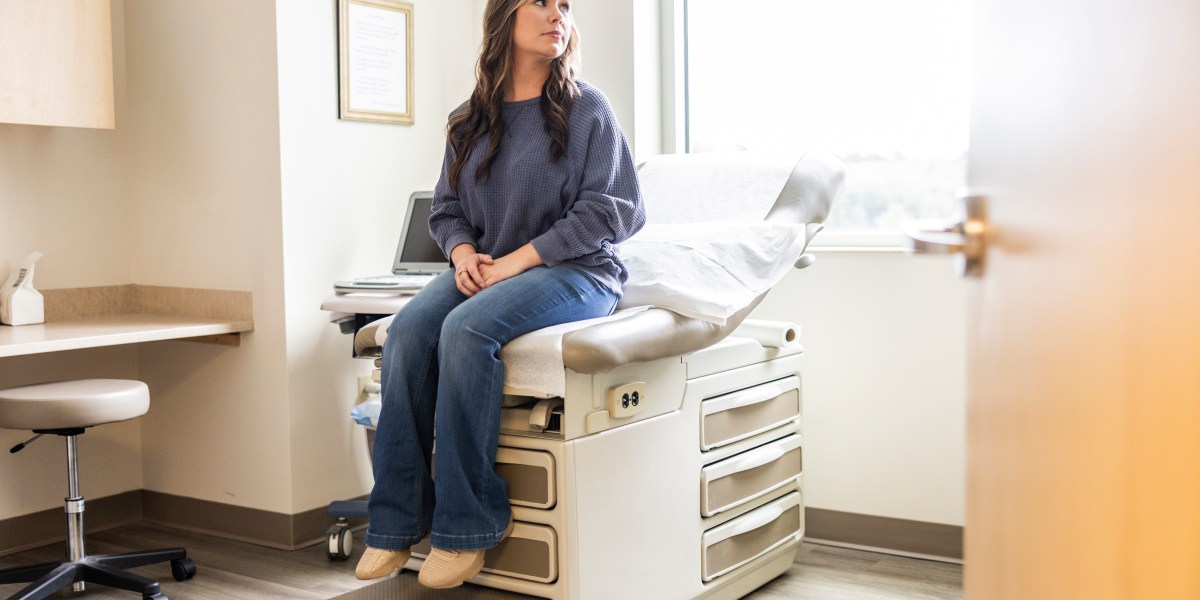
Fewer than half of U.S. adults were considered secure in their ability to afford quality health care last year, according to new data from the West Health-Gallup Affordability Index. The findings point to widening financial strain before several major federal health policy changes take effect.
The index found that 49% of adults were “cost secure” in 2025, meaning they reported both access to affordable, high-quality care and recent ability to pay for needed care and medicine. That share has fallen from 61% in 2022, after starting at 56% when the measure began in 2021, according to West Health and Gallup.
The survey was conducted from Oct. 27 to Dec. 22, 2025, using Gallup’s probability-based panel of 5,660 adults. Gallup reported a margin of sampling error of plus or minus 2.1 percentage points for the full adult sample.
Costs weigh on households
About three-quarters of adults said health care costs were either a major or minor financial burden for their family, according to the poll. Roughly three in 10 said those costs were not a burden.
Concern about future bills also rose. About half of respondents said they were concerned or extremely concerned that their household would be unable to pay for needed health care services in 2026, up from 42% in 2022, West Health and Gallup found.
More than half of respondents said health care costs added a lot or some stress to their daily lives. About three in 10 said those costs caused very little stress, while about two in 10 said they caused none.
The Associated Press reported that some patients described delaying goals or cutting family expenses because of medical bills. Twannetta Weaver, 43, of Sanford, Florida, told the AP that a slipped disk in 2025 brought medication and physical therapy costs that forced her to postpone work on a leadership degree by a year.
Inger Perez, 59, of Encino, Texas, told the AP she was anxious about blood work results because any diagnosis could bring treatment costs she might not be able to sustain. Perez also said living about an hour from a doctor’s office and using a lower-cost Affordable Care Act marketplace plan with a limited provider network made getting care harder.
Affordability fell across groups
The West Health-Gallup findings showed declines among younger adults, women and older Americans. Among adults under 30, about one-third were classified as cost secure in 2025, down from 46% in 2021.
Men remained more likely than women to be cost secure, but both groups saw declines from earlier highs. About 57% of men were cost secure in 2025, down from 67% in 2022, compared with 42% of women, according to the index.
Older adults, many of whom are covered by Medicare, were more likely than the overall population to be cost secure. Even so, their share dropped to 61% in 2025 from 73% in 2021, West Health and Gallup reported.
The poll also found that medical costs kept some households from getting care or prescriptions. About two in 10 adults said that in the previous three months, they or someone in their household could not pay for a doctor-prescribed medicine because of cost. About three in 10 said they or a household member skipped treatment for a health problem because it was too expensive.
Xavier Chapa, 55, of Arizona, told the AP that a disputed $3,000 bill for his wife’s preventive colonoscopy led his family to reduce their 8-year-old son’s summer camp schedule from full days to half days and trim other spending.
This story draws on original reporting from Fortune.