
Ceasefire plan would give Iran a new role in Hormuz
Mediators have floated a 10-day pause as fighting with Iran threatens shipping lanes, energy prices and U.S. troops.
By Sofia Marchetti · World Affairs Correspondent
3 min read
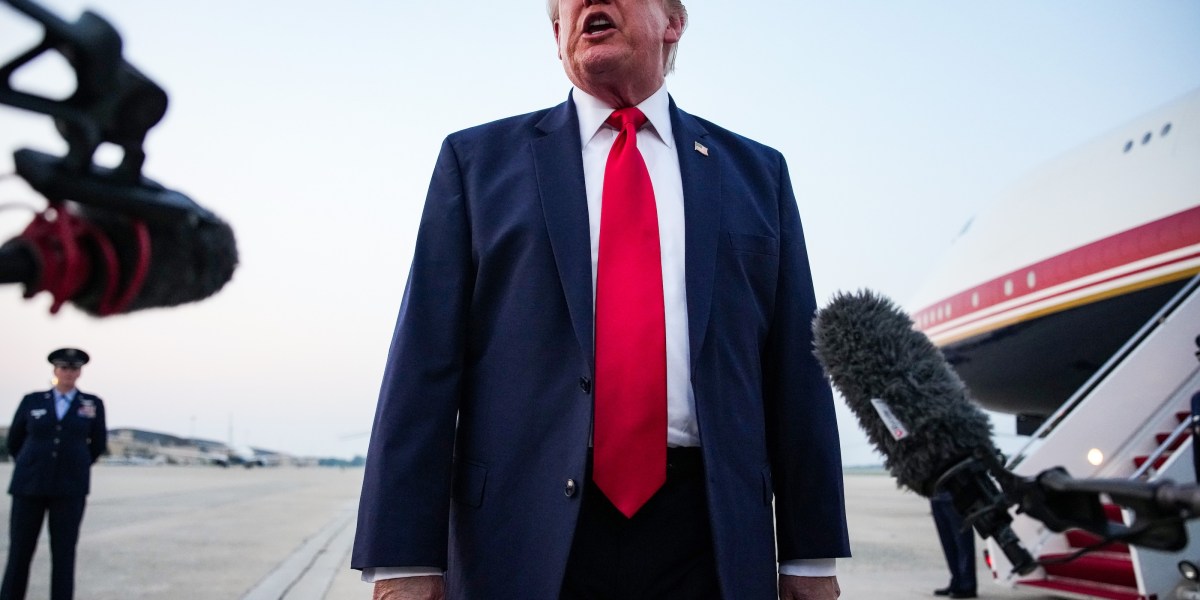
Mediators have proposed a ceasefire plan that would give Iran new administrative powers over the Strait of Hormuz, Axios reported, offering President Donald Trump a possible way to pause a widening conflict. The proposal matters because the fighting has already hit ships, injured U.S. troops and kept pressure on oil and gasoline prices.
According to Axios, the plan under discussion would require both sides to accept a 10-day ceasefire. It would also grant Iran administrative rights over the Strait of Hormuz, a change from the arrangement before the war, Axios reported.
One version of the proposal would allow Iran to collect what Axios described as “reasonable service fees” tied to maritime security, environmental protection and other services. The Strait of Hormuz is a critical route for energy shipments, and recent attacks have raised fears of broader disruption.
Trump weighs a military alternative
Axios reported that Trump’s other option is another large joint bombing campaign with Israel aimed at forcing Iran to stop harassing ships in the strait. The U.S. has already carried out strikes on Iranian positions for 10 consecutive nights, according to Fortune.
The military approach has not yet ended the threat to shipping, Axios reported. Three ships in the Hormuz area have been struck by Iranian weapons in recent days, according to Fortune.
Iranian President Masoud Pezeshkian said Iran was fighting a “full-scale war” against the United States, the BBC reported. Iran’s Islamic Revolutionary Guard Corps also said it had destroyed a site owned by Amazon in Bahrain, according to Fortune.
The fighting has hurt U.S. forces. The Financial Times reported that 100 U.S. troops have been injured in the past 10 days and four have been killed.
Energy markets remain exposed
The conflict has kept Brent crude above $88 a barrel, according to Fortune. U.S. gasoline prices remain above $4 a gallon, while Goldman Sachs argued this week that Brent could climb to $120 if disruptions around Hormuz continue, according to Bloomberg.
Goldman Sachs data cited by Fortune showed gas exports have fallen close to zero. Traders are also watching the risk that the conflict could spread to another key waterway.
The Houthis in Yemen, described by Fortune as an Iranian proxy group, said they planned to shut the Bab al-Mandab Strait. That passage is one of Saudi Arabia’s main oil export routes, according to Fortune, and controls access into and out of the Red Sea.
Markets look past the war for now
Financial markets were firmer despite the fighting, according to Fortune. S&P 500 futures were up 0.55%, while Europe’s Stoxx 600 and the U.K.’s FTSE 100 also rose in early trading.
Asian markets were mixed but mostly higher, according to Fortune, with South Korea’s KOSPI, Japan’s Nikkei 225 and China’s CSI 300 all rising while India’s Nifty 50 slipped. Bitcoin traded above $66,000, Fortune reported.
Analysts said early corporate earnings have helped sentiment. Northern Trust Wealth Management chief investment officer Eric Freedman told Fortune that only 10% of S&P 500 companies had reported results, but both sales growth and earnings growth were ahead of Bloomberg consensus estimates.
Glenmede’s Jason Pride and Michael Reynolds said roughly 88% of companies reporting so far had beaten expectations, a rate above both the first quarter and the five-year average. For now, Axios reported, the ceasefire proposal gives Trump a diplomatic option while the military and economic costs of the conflict keep rising.
This story draws on original reporting from Fortune.