
Huang urges US not to restrict Chinese open-source AI models
The Nvidia chief told Axios that models from China, including Moonshot AI’s Kimi K3, should be used rather than blocked by Washington.
By Sofia Marchetti · World Affairs Correspondent
3 min read
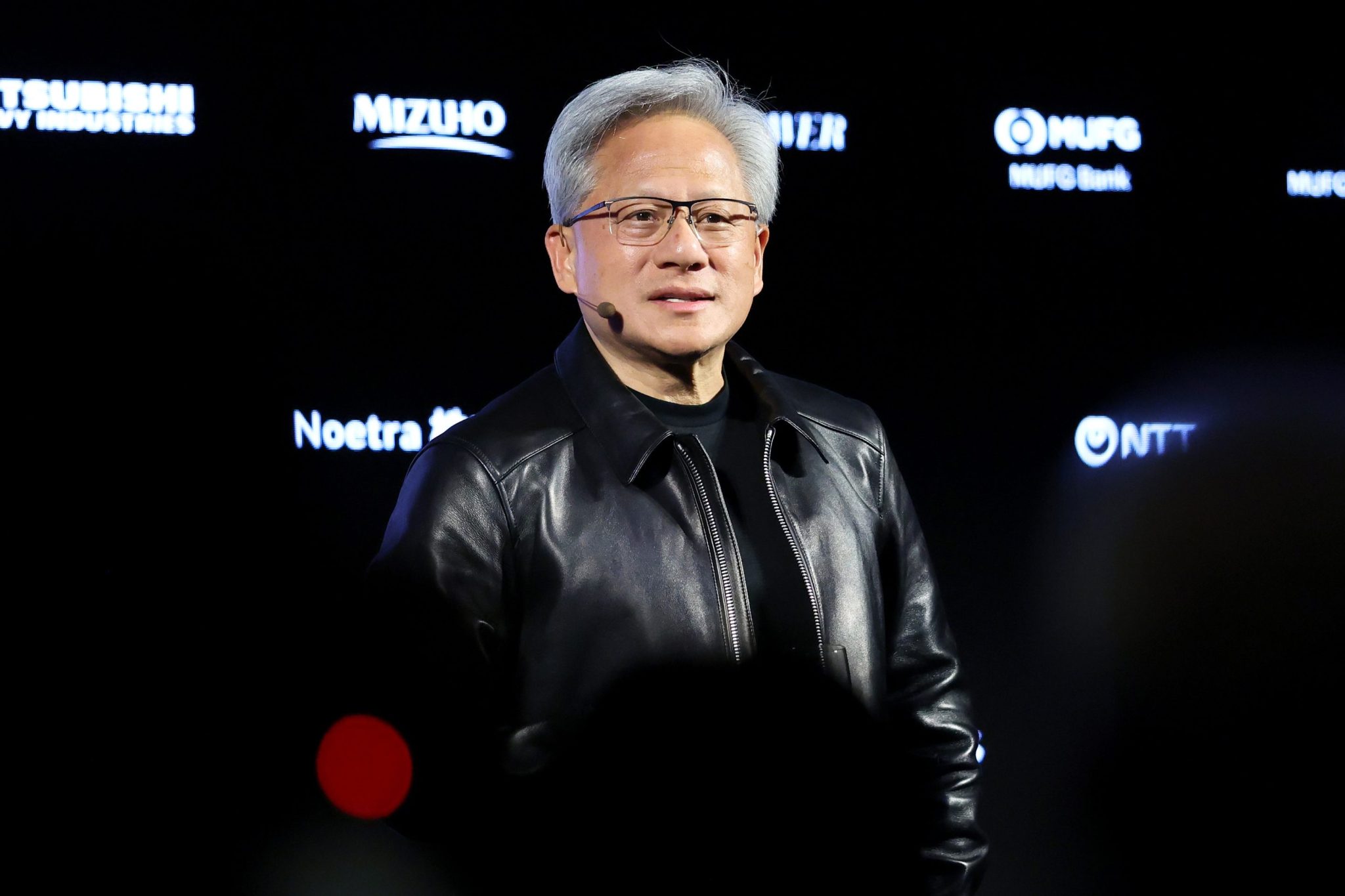
Nvidia Chief Executive Jensen Huang is pushing back on reported White House interest in limiting U.S. use of Chinese open-source artificial intelligence models. In an interview with Axios on Tuesday, Huang said Washington should not ban models developed by companies such as DeepSeek, Alibaba and Moonshot AI.
The debate has intensified after Moonshot AI released Kimi K3 last week, a model that Fortune reported has drawn concern in the U.S. because of its performance and low cost. Axios has reported that some officials have considered restrictions because of fears that Chinese models could be used for surveillance or could weaken U.S. AI companies.
Axios reported that the White House considered using executive authority to place conditions on American companies that use Chinese AI models. Those conditions could include requiring companies to guarantee security and accept liability if systems are breached, according to Axios.
Fortune reported that the White House did not immediately respond to its request for comment. Nvidia also did not immediately respond to Fortune’s request for comment.
Huang told Axios that the idea that downloadable Chinese models could function as a backdoor for Beijing is a misconception. He said companies can download the models and adjust their guardrails, giving users more control over how they are deployed.
Huang also rejected the view that open-source Chinese models will displace U.S. AI systems. He told Axios that the market needs both open models and closed models, including products made by OpenAI and Anthropic.
“These Chinese models are excellent,” Huang told Axios. “Open-source models that are excellent should be used.”
Fortune described closed models, such as Anthropic’s Fable 5 and OpenAI’s GPT-5.6 Sol, as systems controlled by the companies that build them. Those products generally give customers less ability to inspect or modify the underlying technology, but they can be easier to adopt because the developer operates and maintains the system.
Open-source models can be downloaded and adapted for specific corporate needs, Fortune reported. Companies may prefer them because they can run the models on their own systems, giving them more control over sensitive data, though that can require spending on computing infrastructure and maintenance.
Cost is a major reason some U.S. companies are looking at Chinese open-source models, according to Fortune. The publication reported that AI coding startup Cursor and other businesses have been turning to such models as American AI systems remain expensive at high usage levels.
Kimi K3 was released July 16 and is Moonshot AI’s most advanced open-source model so far, according to Fortune. Axios reported that the model has competed in some coding tests with Anthropic’s Fable 5, described as Anthropic’s most advanced publicly available model.
Fortune previously reported that Kimi K3 costs $15 per 1 million output tokens, compared with $50 for Anthropic’s Fable 5. DeepSeek V4, another widely used Chinese model, costs 87 cents for the same amount of output, Fortune reported.
Huang told Axios that broader access to strong AI models would benefit Nvidia as well as the wider technology industry. He said greater AI use would increase demand for Nvidia computers, data centers and related services as the technology spreads into more industries.
This story draws on original reporting from Fortune.