
Hormuz crisis redraws energy flows as U.S. exports gain clout
Fortune reports the Iran war has cut major oil and LNG routes, lifting U.S. exporters while pushing some countries back toward coal.
By Maya Lindqvist · Senior Technology Correspondent
4 min read
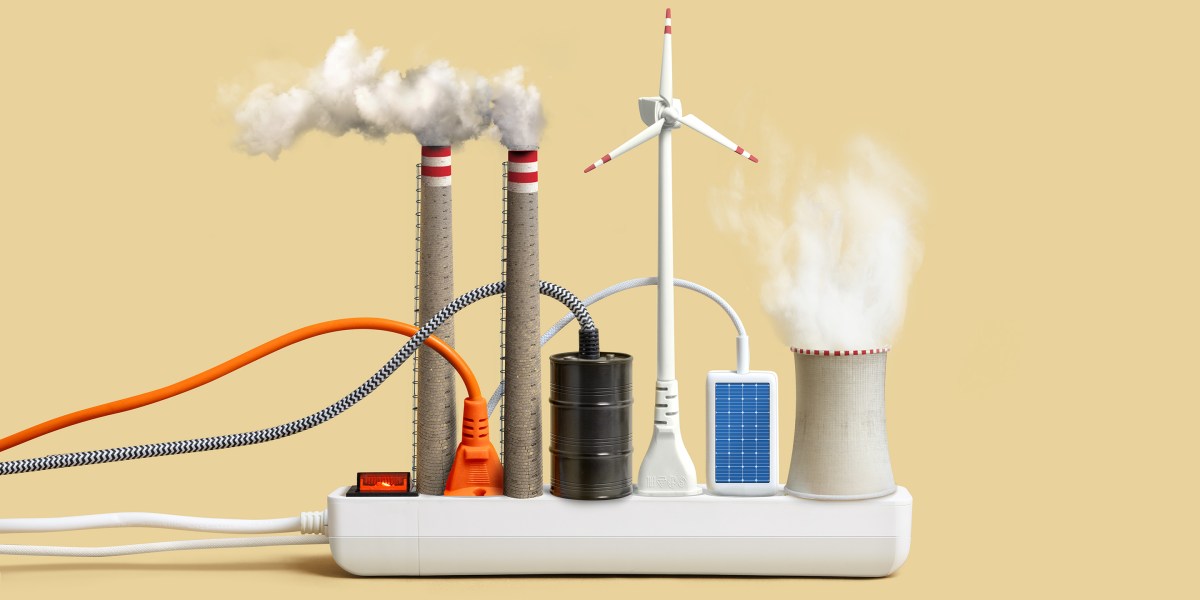
The U.S.-Israel war with Iran has disrupted a central artery of the global energy trade, Fortune reported, cutting off about 20% of worldwide oil and liquefied natural gas flows at the Strait of Hormuz. The shock is raising fuel costs and forcing governments to rethink where they get power, gas and crude.
Fortune described the disruption as the largest global energy-supply shock on record, with effects ranging from gas rationing in Bangladesh to fertilizer shortages affecting farmers in Africa and higher gasoline costs for U.S. drivers. The report said the immediate crisis may pass, but the energy system that follows is likely to look different.
U.S. exporters move into a stronger position
Fortune reported that the United States has become a dominant supplier after decades in which crude exports were largely barred and natural gas export infrastructure was limited. The shale boom changed that position, and the U.S. is now the leading exporter of LNG, according to the report.
Charif Souki, founder of Cheniere Energy and a major figure in the U.S. LNG industry, told Fortune that the country has taken on the role of an “energy superpower.” Fortune said U.S. influence could grow further because customers are looking for suppliers outside the Middle East chokepoint.
Global power demand is still rising by close to 4% a year, driven by population growth, electrification and demand from AI data centers, according to figures Fortune attributed to the International Energy Agency and the U.S. Energy Information Administration. That demand means the world is not using less energy, even as the mix of suppliers changes.
Coal and clean power both gain ground
Fortune reported that the crisis has accelerated interest in wind, solar and nuclear power, as countries try to reduce exposure to imported fuels. Clean energy sources including wind, solar, nuclear and hydropower now account for close to 40% of global electricity generation, according to the report.
At the same time, Fortune said several Asian countries, including India, South Korea, Indonesia, Thailand, Vietnam and the Philippines, have increased coal-fired power since February. Souki told Fortune that countries with coal are using it because it is available domestically, despite environmental concerns.
The report said the coal shift is mainly a short-term extension of older plants rather than a broad buildout of new coal facilities. Fortune also noted a similar pattern in the United States, where Trump administration subsidies have supported coal use for AI data centers.
Oil demand remains hard to break
Electric vehicle sales have increased during the crisis, Fortune reported, with European EV sales up about 40% since the war began and EVs accounting for one-third of new-car sales there. In China, EVs make up more than half of new-car sales, while the global figure is about 25%, according to the report.
Even so, Fortune reported that global oil demand is still growing more slowly and is expected to level off around 2030 rather than fall sharply. Bob McNally, a former White House energy adviser under George W. Bush and founder of Rapidan Energy Group, told Fortune that EV demand could weaken when oil prices decline.
Old alliances face pressure
Fortune reported that the war has strained the Gulf Cooperation Council and OPEC. The United Arab Emirates has announced it is leaving OPEC, according to the report, partly over tensions involving Iran and Saudi Arabia and partly because it wants fewer limits on oil production.
Gulf states are also expected to reduce their dependence on the Strait of Hormuz, Fortune reported. Saudi Arabia’s East-West Crude Oil Pipeline allowed more exports through the Red Sea during the crisis, helping limit further price increases, according to the report.
Fortune said China faces exposure because roughly half of Asian energy imports from the Middle East go to China, though its large oil storage reserves have cushioned the blow. The report identified developing countries in Asia as among the hardest hit because more than 85% of oil and gas moving through Hormuz goes to the region.
The longer-term shift may favor the Americas, Fortune reported. The publication cited rising oil and gas output and exports from the United States, Canada, Argentina, Guyana and Venezuela, along with projections that North American LNG export capacity will more than double from 2024 to 2028.
This story draws on original reporting from Fortune.