
Grocery prices inflation slows, but relief is arriving slowly
USDA expects food-at-home prices to rise 2.7% this year as shoppers trade down, buy store brands and wait for cuts.
By Daniel Okafor · Business Editor
3 min read
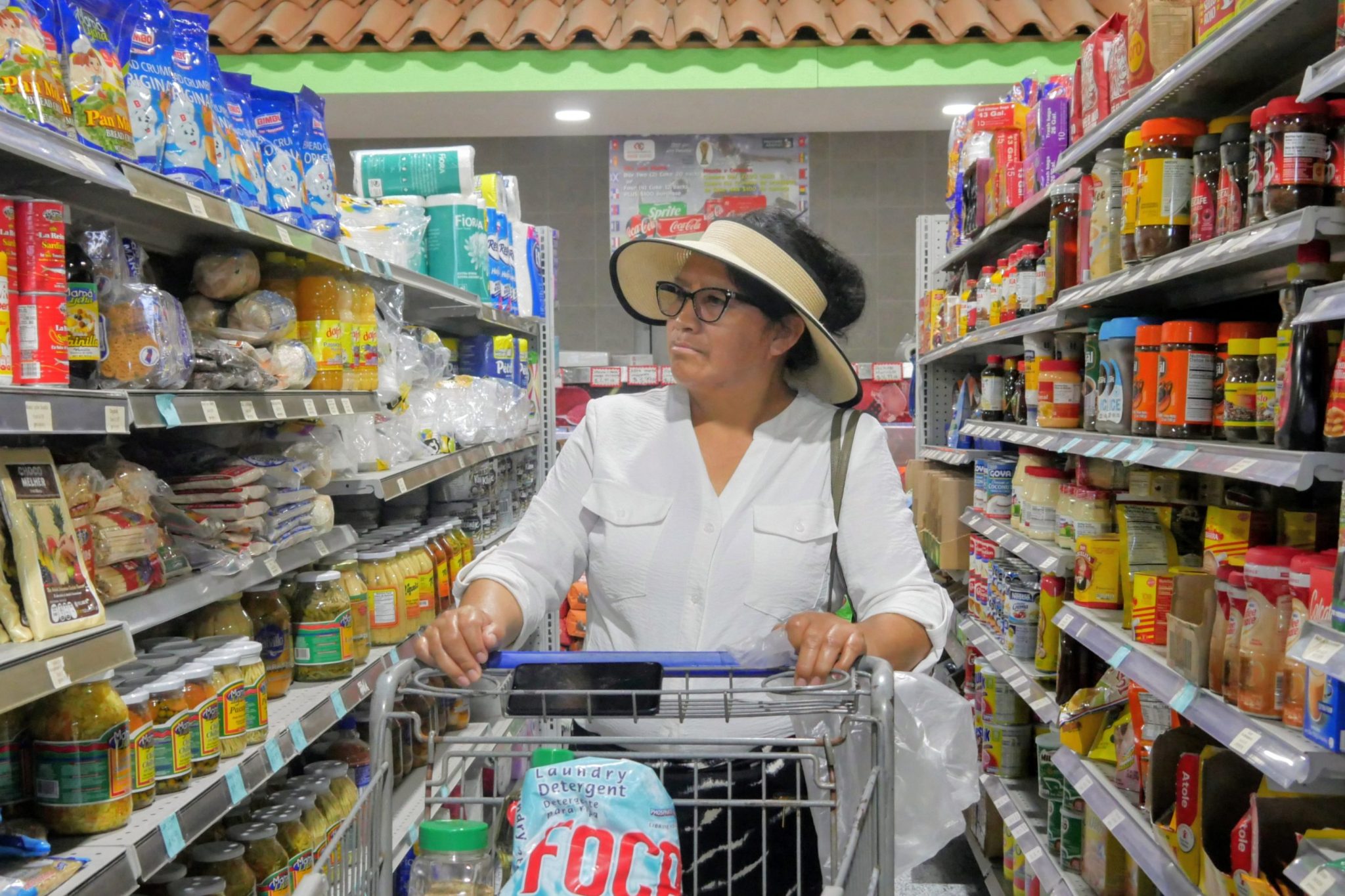
Grocery prices inflation has cooled from its post-pandemic peak, but economists and retail analysts say shoppers should not expect broad price drops soon. The U.S. Department of Agriculture reported Friday that food-at-home prices are projected to rise 2.7% this year, near the long-term average of 2.6%.
That would be higher than the grocery inflation consumers saw in 2024 and 2025, according to the USDA. The problem for households is the compounding effect of earlier increases: USDA data show food-at-home prices rose 11.4% in 2022, the sharpest grocery price increase in 50 years.
Matt Hamory, who leads the global grocery practice at AlixPartners, said slower inflation does not mean lower prices. Prices usually fall only with deflation, he said, and that is uncommon.
What does rockets and feathers mean for grocery prices?
Economists use the phrase “rockets and feathers” to describe prices that rise quickly and fall slowly. In groceries, analysts point to pandemic-era disruptions, Russia’s war in Ukraine, bird flu that drove egg prices higher, tariffs and weather-related crop problems as factors that pushed food costs up.
Jared Bernstein, a senior policy fellow at the Stanford Institute for Economic Policy and former chair of President Joe Biden’s Council of Economic Advisers, said retailers may resist cutting prices on goods bought when wholesale costs were higher. He also said stores and food companies have had reasons to protect the revenue gains they made after the pandemic.
PepsiCo provides one example cited by analysts. The company raised prices by double-digit percentages for eight consecutive quarters in 2022 and 2023, citing higher ingredient and packaging costs, then began lowering some snack prices last year after demand weakened.
Why are grocery prices still high?
Some grocery costs are tied to problems that are hard to fix quickly. Government data show the average coffee price in U.S. cities has climbed 54% since 2019, while crop problems linked to drought in Vietnam, heavy rain in Indonesia and hot, dry weather in Brazil have reduced yields and lifted global coffee prices.
Other increases have clearer policy causes. U.S. consumers paid 19.5% more for fresh tomatoes in June than a year earlier after the Trump administration placed a 17% import tax on fresh tomatoes from Mexico. Coffee also faced a tariff for much of 2025 before that duty was removed.
Consumer behavior can keep prices elevated as well, Bernstein said. Shoppers often look harder for deals when prices jump, but ease up when prices begin to decline, reducing pressure on retailers to keep cutting.
How shoppers are changing what they buy
A study by Bain & Co. and NielsenIQ found that the number of items bought at U.S. grocery stores declined in the second half of last year and fell more sharply beginning in February. The study said high gas prices, increased GLP-1 use and reductions in the number of people receiving government food aid are affecting grocery spending.
Market research firm Numerator said discounters including Costco, Walmart and Aldi took market share in the second quarter from traditional grocers such as Kroger and Albertsons. Shoppers are also buying more private-label goods: the Private Label Manufacturers Association said store-brand sales across supermarkets, drugstores and other retailers reached a record $282.8 billion last year.
Sean Hooper, a senior solution principal at Relex Solutions, said store brands can hold on to customers once shoppers decide the products are convenient, trusted and cheaper than national brands.
Hamory said price cuts by major retailers could start pulling grocery prices down more broadly. Walmart said in early July that it was rolling back prices on items including ground beef, corn, red cherries, ice cream, potato chips and Coca-Cola and Pepsi products, while Target cut prices on some foods in March.
This story draws on original reporting from Fortune.