
Georgia Power eminent domain concerns grow over grid expansion
Georgia Power’s planned transmission lines could affect hundreds of parcels as the utility expands capacity for rising electricity demand.
By Daniel Okafor · Business Editor
4 min read
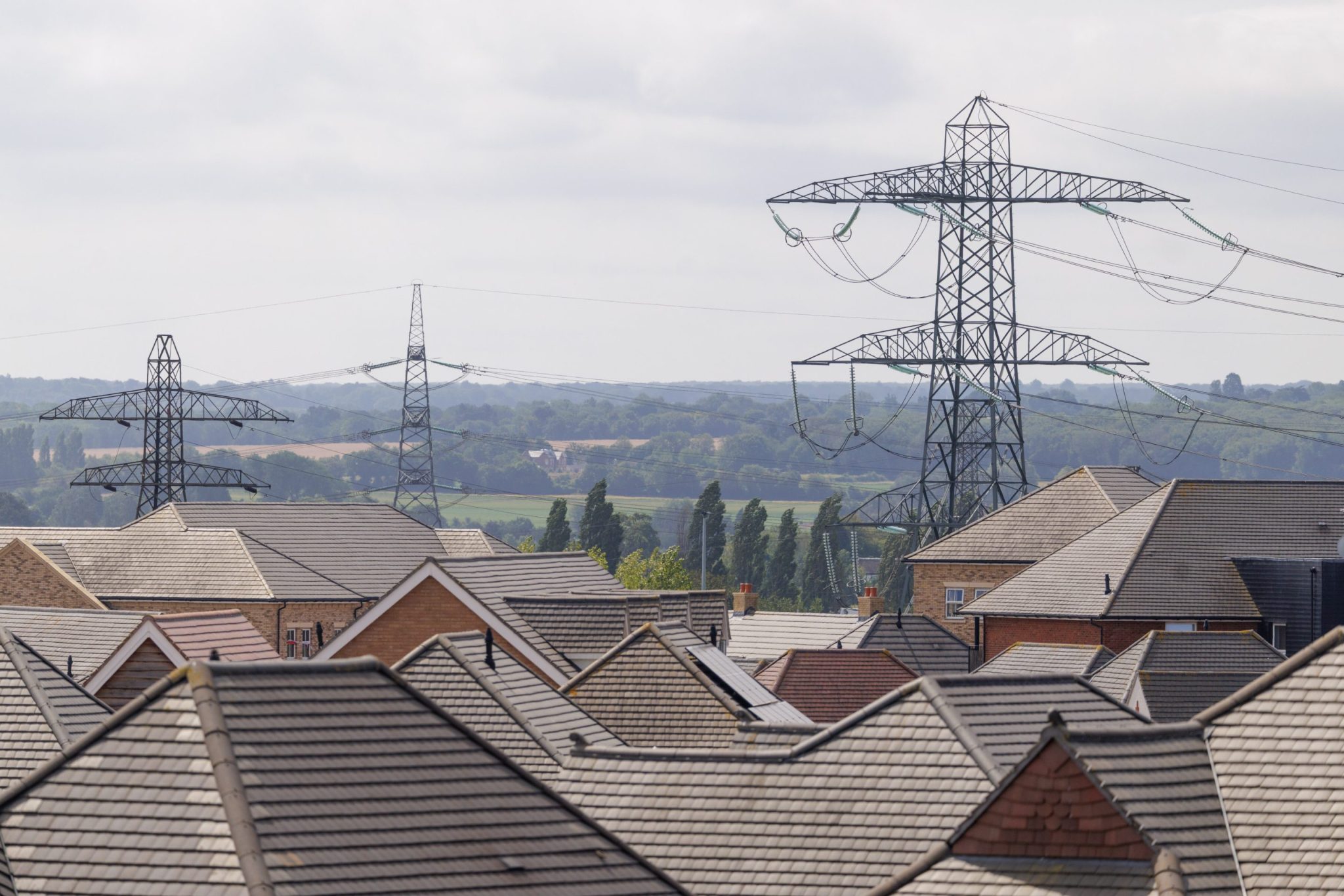
Georgia Power eminent domain concerns are mounting as the utility advances a major grid expansion that could affect hundreds of properties in Georgia. The company says the work is needed to meet rising electricity demand, including growth tied to large customers and new data centers.
The plan includes more than 1,000 miles of new transmission lines and about 10 gigawatts of added generating capacity over five years, according to Georgia Power filings and statements reported by Fortune. The work spans more than 330 parcels and could require nearly 30 residential properties to be demolished.
One current project, the Ashley Park-Wansley Transmission Project, would run about 35 miles through Fayette, Heard, Fulton and Coweta counties. Georgia Power told Fortune the line would support communities and customers that rely on reliable service infrastructure.
Some residents say the project puts them under pressure to sell or accept a utility easement. Ansley Brown, whose family property is affected, said on Instagram that her childhood home was being taken by Georgia Power and that the property would be bulldozed.
Can Georgia Power use eminent domain for this project?
Eminent domain allows certain property to be taken for public use with compensation under the Fifth Amendment. Georgia Power told Fortune it uses eminent domain only as a last resort and said it accounts for less than 1% of its land transactions.
The company said it had used the process five times in the past year and that none of those cases involved residential homes. Georgia Power media relations manager Meredith Stone told Fortune the company begins negotiations at 125% of appraised value, calling that a starting point.
Homeowners along a transmission route may be asked to sell land outright or grant a right-of-way easement. Georgia attorney David Needham, who represents property owners in eminent domain cases, told Fortune that permanent utility easements can stay attached to a property after a sale and can limit what owners may build near or under transmission lines.
Needham said such agreements are tilted toward the power company, while also noting that compensation is offered. He told Fortune the issue can blur the line between private burden and public benefit.
What role do data centers play?
Georgia Power disputes the description of the Ashley Park-Wansley line as a data center project. A company spokesperson told Fortune the utility is “not in the data center business.”
CBS has reported that data centers are expected to use 70% to 80% of the power from that line, though Georgia Power told Fortune it could not confirm that estimate. Separately, a December 2025 agreement involving the Georgia Public Service Commission and Georgia Power certified a nearly 10,000-megawatt generation plan, about 80% of which is expected to power data centers, according to the agreement.
The Georgia Public Service Commission approved Georgia Power’s 2025 Integrated Resource Plan, which discussed expected power needs tied to AI investment. The filing said the 10-year plan includes new transmission resources across more than 1,000 miles and a process to review grid-enhancing technologies.
Georgia Power says land acquisition and easement talks for the Ashley Park-Wansley project are close to completion, with construction expected to begin as early as next year. The company told Fortune it reached an agreement with Brown’s mother, though the terms were not disclosed.
A spokeswoman for Rep. Brian Jack told Fortune that Jack received multiple requests from constituents about Georgia Power activity in the district and worked with stakeholders. Georgia Power said it appreciated Jack’s advocacy and had remained in contact with his office.
The utility says the broader expansion could lower costs for residential customers by about $102 per year starting in 2029 because large-load customers would pay more. Stone told Fortune that Georgia Power is requiring those large-load customers to pay more to reduce pressure on residential rates.
Georgia has drawn data center development through tax incentives administered by the state Department of Revenue. Fortune reported that qualifying projects require minimum investments of $100 million to $250 million and can receive full state and local sales and use tax exemptions on equipment purchases.
This story draws on original reporting from Fortune.