
Former governors launch bipartisan AI jobs coalition
RAISE US aims to bring tech companies, employers, educators and funders together to prepare workers for AI-driven labor disruption.
By Sofia Marchetti · World Affairs Correspondent
3 min read
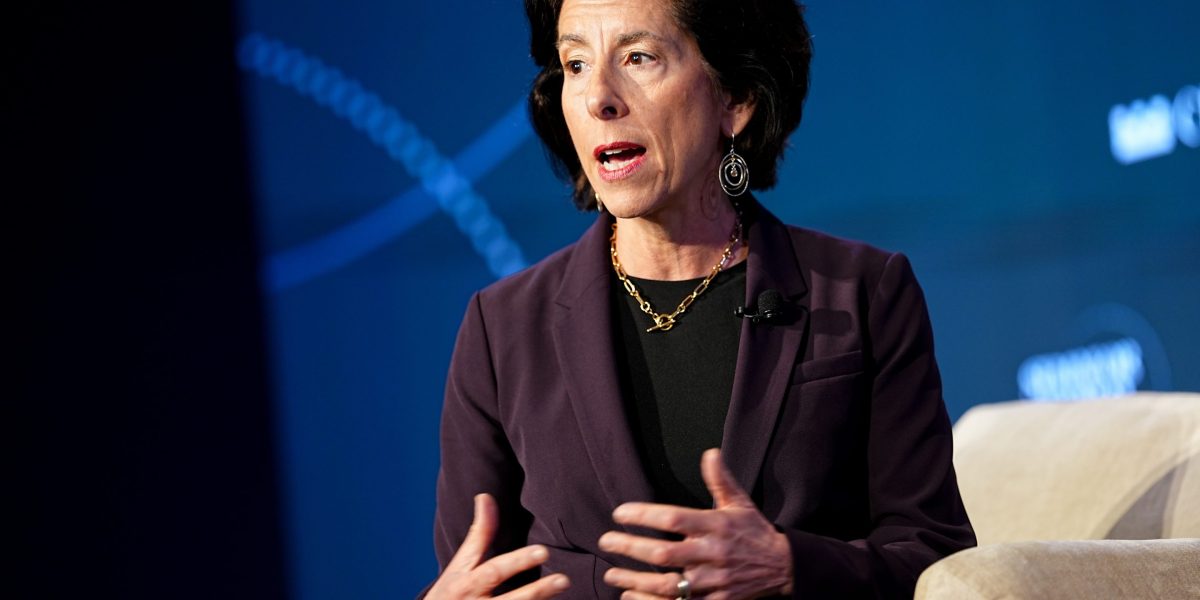
A bipartisan pair of former governors has launched RAISE US, a nonprofit coalition focused on preparing workers and jobs for an AI-driven economy. The effort is aimed at a labor market risk that employers, policymakers and educators are still struggling to address as AI tools spread through workplaces.
Fortune reported that former Indiana Gov. Eric Holcomb, a Republican, and Gina Raimondo, a Democrat who served as Rhode Island governor and U.S. commerce secretary, launched the initiative Wednesday. The group plans to convene AI companies, employers, philanthropies and educators around workforce preparation, job resilience and practical responses to technology-driven disruption.
Holcomb told Fortune that the coalition does not want to wait until a future crisis in which bots and AI agents are widespread and entry-level unemployment climbs sharply. Raimondo told Fortune she hears few concrete proposals for managing the shift to an AI economy and said the U.S. has not had a strong record of handling economic transitions without elevated unemployment.
A coalition centered on workforce readiness
RAISE US describes its mission as building an AI-ready workforce and supporting jobs that can withstand AI disruption, according to Fortune. The nonprofit is designed as a hub where companies and institutions can share ideas, develop pilot projects and consider policy responses.
The launch brings together political figures from both parties at a time when AI’s impact on work has become a growing concern for business leaders. Fortune reported that the coalition includes major technology players such as Amazon, Anthropic, Microsoft and the OpenAI Foundation.
That mix could help the group mobilize resources and technical expertise. Fortune also noted a potential tension: some of the companies involved are helping drive the same workplace changes the coalition is trying to address, while also resisting stronger metrics and regulation that could make them more accountable for AI’s labor impact.
Governors with workforce records
Fortune said Holcomb and Raimondo both have experience with the difficulty of creating higher-quality job growth. A 2021 Brookings study cited by Fortune found that much of Indiana’s job growth came in lower-wage sectors while middle-wage jobs declined.
Fortune also cited a separate study on Rhode Island that found Raimondo lowered unemployment but had limited success improving job quality. Fortune framed those findings less as personal indictments than as evidence that rebuilding a strong labor market is harder after middle-skill jobs and talent systems have weakened.
The coalition’s next test will be whether it can broaden participation beyond the technology companies most closely tied to AI disruption. Fortune suggested the effort could benefit from adding employers in fields such as manufacturing, where companies are often trying to find skilled workers rather than replace them with software.
RAISE US enters a crowded debate over whether AI will eliminate jobs, change them or create new categories of work. Its founders are pitching an early, cooperative response before displacement pressures become more visible across entry-level roles and other vulnerable parts of the labor market.
This story draws on original reporting from Fortune.