
Memory chip crunch raises pressure on electronics prices
AI data center demand is lifting memory costs, pushing Apple to raise prices and forcing retailers to weigh higher laptop and phone costs.
By Daniel Okafor · Business Editor
4 min read
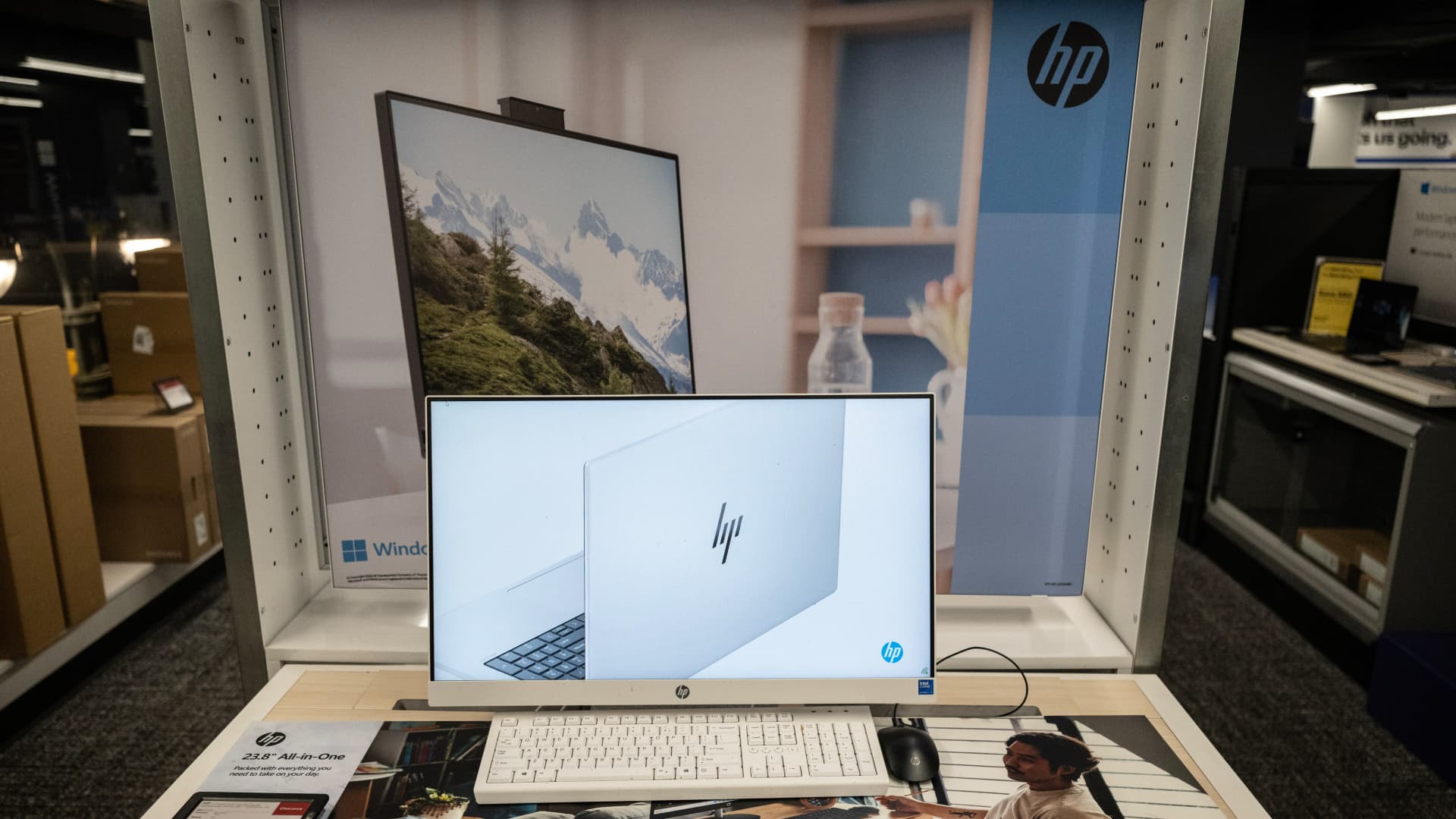
A shortage of memory chips tied to AI data center demand is starting to raise costs for consumer electronics. CNBC reported that Apple has already lifted prices on some MacBooks and iPads, while Best Buy expects computers to feel the most pressure.
Memory, or RAM, is a core component in phones, tablets and laptops. CNBC reported that demand from companies including Nvidia, Advanced Micro Devices and Google has tightened supply as they seek memory for AI chips and data center systems.
Apple said Thursday that it is increasing prices for MacBooks and iPads as memory costs rise, CNBC reported. The company called the shortage an “unprecedented challenge” and signaled that more price increases could follow.
Forecasts point to higher prices and fewer shipments
Gartner senior director analyst Ranjit Atwal told CNBC that higher memory costs are expected to cut global PC shipments by 10.4% and smartphone shipments by 8.4% in 2026, based on February research. Gartner also projected PC prices will rise 17% and smartphone prices 13% from 2025 levels.
Atwal said the current memory cycle differs from previous periods because of the scale of the price increases and how long they may last. He told CNBC that Gartner does not expect a return to more normal regional pricing until the end of 2027.
Some retailers built inventory earlier in the year before costs moved higher, Atwal said. He added that the buffer may delay visible price changes in stores, but retailers will eventually have to pass along higher costs if demand continues to exceed supply.
Atwal also said shoppers may not immediately notice the increases because many replace laptops only every four or five years and may not remember what they paid for older devices or how those specifications compare.
Best Buy says shoppers are still buying
Jason Bonfig, Best Buy’s incoming CEO, told reporters earlier this month that the company expects its computing business to be hit hardest by price increases, CNBC reported. He said Best Buy saw staggered price increases in the first quarter and expects average selling prices to rise in the second quarter, with unit sales affected by price sensitivity.
Bonfig said Best Buy brought in more inventory during the first quarter, which could help cushion the impact. A Best Buy spokesperson told CNBC that customers are still spending and that few are focused on memory costs. The company reported its ninth straight quarter of positive comparable sales in computing in the first quarter.
Loop Capital analyst Anthony Chukumba told CNBC that larger retailers such as Best Buy may handle the pressure better than smaller rivals because they have more market share and more ability to resist supplier price increases for a period of time. He said Best Buy regularly manages cost swings in its business.
Chukumba also told CNBC that the longer-term impact may be less severe than feared because devices keep improving. Even with pricier memory, he said, a new device may offer better capabilities than one bought a year or two earlier.
Retail groups ask Washington to review shortage
The pressure could also affect retailers including Target, Amazon, Costco and Walmart, CNBC reported. Target and Amazon declined to comment to CNBC, while Costco and Walmart did not respond to requests for comment.
A coalition that included the National Retail Federation asked the Treasury and Commerce departments this month to examine what it called an “urgent imbalance” in memory chips and the risk of “significant and sustained near-term price increases” for consumers, according to a letter cited by CNBC.
Jon Gold, the NRF’s vice president of supply chain and customs policy, told CNBC that the shortage could reduce the availability of consumer electronics as well as raise prices. He said retailers can work with vendors to limit increases, but fewer memory chips could mean fewer products.
Gold said higher prices may lead consumers to keep devices longer, which would weigh on retailers and suppliers. Atwal said that could also make it harder for vendors to sell premium AI features that depend on more advanced memory.
This story draws on original reporting from CNBC.