
Fordham official says AI is exposing higher ed’s credential problem
Jason Benedict argues that generative AI has highlighted universities’ reliance on credentials and output-based assignments over learning.
By Maya Lindqvist · Senior Technology Correspondent
3 min read
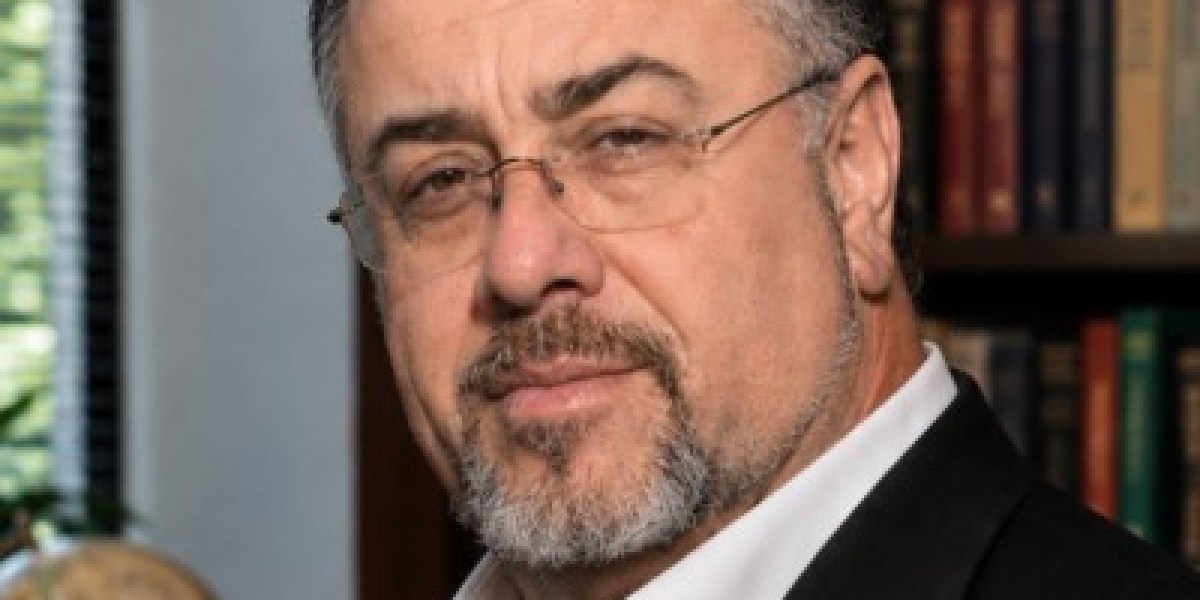
A Fordham University technology and security official says generative AI has revealed a deeper problem in higher education: colleges have built too much of their value around degrees rather than learning. Jason Benedict, Fordham’s assistant vice president for information technology and chief information security officer, argued in a Fortune commentary that the issue affects academic integrity, professional ethics and how prepared graduates are for work.
Benedict wrote that many students now approach college as an economic transaction, driven by tuition costs, debt, job anxiety and the pressure to collect credentials. In his view, AI did not create cheating or disengagement, but made visible a system that often rewards polished finished work more than the thinking behind it.
His argument draws on research in educational psychology, including Self-Determination Theory from Edward L. Deci and Richard M. Ryan, which distinguishes learning driven by curiosity and mastery from learning driven by rewards such as grades, pay and status. Benedict also cited Paul R. Pintrich’s work in the Journal of Educational Psychology and a 2024 study titled “Here to Learn or Just Earn,” saying those findings link intrinsic motivation with stronger engagement, confidence and persistence.
By contrast, Benedict said students focused mainly on outside rewards are more likely to use shallow learning tactics and, according to the research he cited, face greater risk of academic dishonesty. He connected that pattern to what sociologist Randall Collins described in The Credential Society: degrees can function as hiring signals even when coursework does not map directly onto job duties.
Benedict said the financial pressures behind that behavior are real. He cited EducationData.org figures showing total U.S. student loan debt has surpassed $1.8 trillion, a burden he said pushes students to seek a clear return on their education spending.
Academic dishonesty, Benedict argued, becomes easier for students to justify when classes feel disconnected from their goals. He cited Boston College Center for Teaching Excellence materials that say students are more likely to cheat when they do not see course content as meaningful.
AI and assessment
Benedict said generative AI has put pressure on traditional assignments because many of them judge final products rather than the process of learning. He cited The Guardian’s reporting on AI-related cheating at universities as evidence that students are using new tools to complete work in ways schools are struggling to address.
He warned that the effects reach beyond campuses. Citing Cheating in College by Donald L. McCabe, Kenneth D. Butterfield and Linda Klebe Treviño, Benedict said academic dishonesty has been linked to unethical conduct later in professional life, including in fields where public trust and safety depend on integrity.
Benedict also rejected the idea that students are the main problem. He said many students want both economic security and meaningful growth, while universities increasingly market themselves through job placement, salary outcomes and rankings.
For a response, Benedict pointed to James M. Lang’s Cheating Lessons and called for assessments built around critical thinking, synthesis, creativity, collaboration, oral defense and applied problem-solving. He also argued that AI literacy should become part of modern education, tied not only to technical skill but also to ethics, authenticity and human judgment.
Benedict said higher education should defend purposes beyond workforce training, citing Martha Nussbaum’s Not for Profit on the civic and moral roles of universities. He argued that as AI automates more routine work, qualities such as creativity, empathy, ethical reasoning and interdisciplinary thinking may become more valuable.
This story draws on original reporting from Fortune.