
Federal officials hold back Medicaid money from California and Minnesota
The Trump administration says it is deferring more than $1 billion in Medicaid payments over suspected fraud, drawing sharp objections from both states.
By Sofia Marchetti · World Affairs Correspondent
3 min read
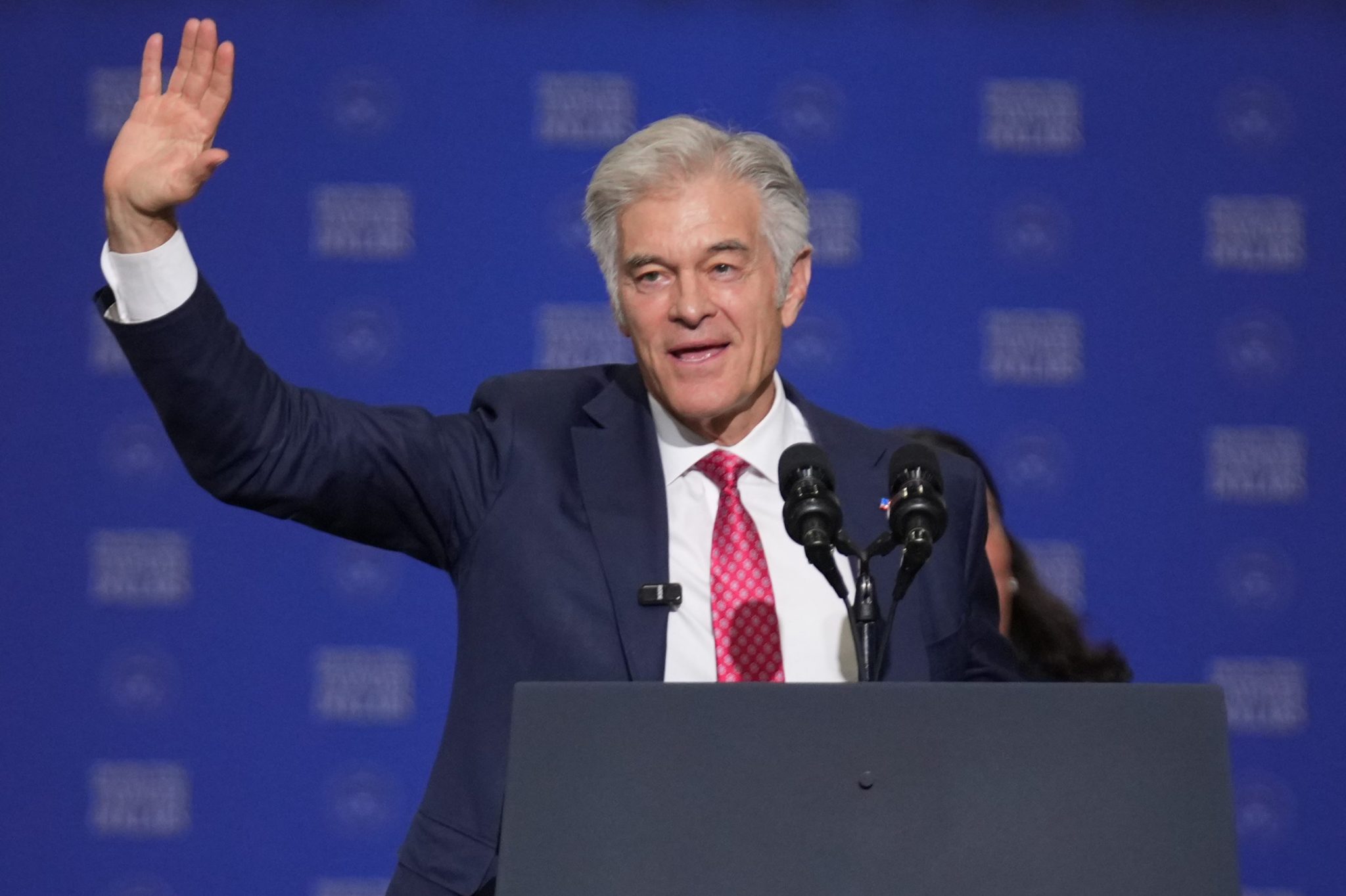
The Trump administration said Tuesday it is delaying more than $1 billion in federal Medicaid payments to California and Minnesota, citing suspected fraud and noncompliance. The decision puts new pressure on two Democratic-led states and expands a federal anti-fraud campaign that state officials say is political and punitive.
Health Secretary Robert F. Kennedy Jr. said the administration wants to block questionable payments before they go out, rather than try to recover money after prosecutions. At a news conference, Kennedy said federal officials have a duty to stop payments, seek answers and follow the evidence.
The deferrals announced Tuesday include $867.5 million for California and $199 million for Minnesota, according to Kennedy. He did not specify whether those amounts are separate from earlier Medicaid deferrals announced for the same states this year or overlap with them.
States challenge the basis for the move
Minnesota officials said the federal government has not explained how it arrived at the amount being withheld. John Connolly, temporary commissioner and state Medicaid director for Minnesota’s Department of Human Services, said the state has not received data or an explanation showing what the figure was based on.
Connolly said Minnesota has worked with the Centers for Medicare & Medicaid Services on fraud concerns, including a corrective action plan tied to roughly $260 million in federal money that CMS had deferred and possible future cuts. He said the state had cooperated in good faith, helped raise fraud concerns in its Medicaid program and added safeguards against misuse of funds.
Minnesota Gov. Tim Walz, a Democrat, suggested the Republican administration was holding back Medicaid dollars to help fund President Donald Trump’s tax cuts for wealthy Americans. California Gov. Gavin Newsom, also a Democrat, accused the administration of singling out his state for political reasons.
California officials also disputed federal concern about growth in the state’s home care program. Anthony Cava, a spokesperson for the California Department of Health Care Services, said the increase reflects a deliberate expansion encouraged by federal policy to keep people out of more costly nursing homes, rather than improper spending.
Federal officials cite billing patterns
CMS Administrator Dr. Mehmet Oz did not give specific examples of fraud in California or Minnesota at the news conference. He said the agency had seen patterns it considered questionable, including providers billing for four or more patients at the same time and billing after a Medicaid beneficiary’s death.
The administration has made fraud enforcement a central theme as health care costs and broader economic pressures shape the run-up to November’s midterm elections. In March, Vice President JD Vance launched an anti-fraud task force at Trump’s request, bringing officials from multiple departments together to use data and technology to find possible misuse of federal money.
The approach has drawn scrutiny after earlier problems. In April, CMS acknowledged to The Associated Press that it had made a significant error in figures used to support a fraud probe in New York. Last month, California’s Medicaid director told a congressional committee that CMS had not provided the state with any specific cases of fraud, waste or abuse tied to a $1.3 billion Medicaid deferral announced in May.
Kennedy and Oz said states can get the money flowing again by submitting documentation showing the payments are proper. Oz said Minnesota had already returned documents and that federal officials were reviewing them carefully.
Kennedy also said he wants CMS to gain authority to exclude providers from Medicaid, Medicare and other federal health programs. That power has traditionally belonged to the Department of Health and Human Services’ Office of Inspector General, whose inspector general, Thomas March Bell, said the change would help remove more bad actors from federal programs.
This story draws on original reporting from Fortune.