
Fed holds rates as Warsh’s inflation pledge draws attention
The June FOMC minutes showed a unanimous hold at 3.5%-3.75%, with officials divided over whether higher rates may be needed.
By Daniel Okafor · Business Editor
3 min read
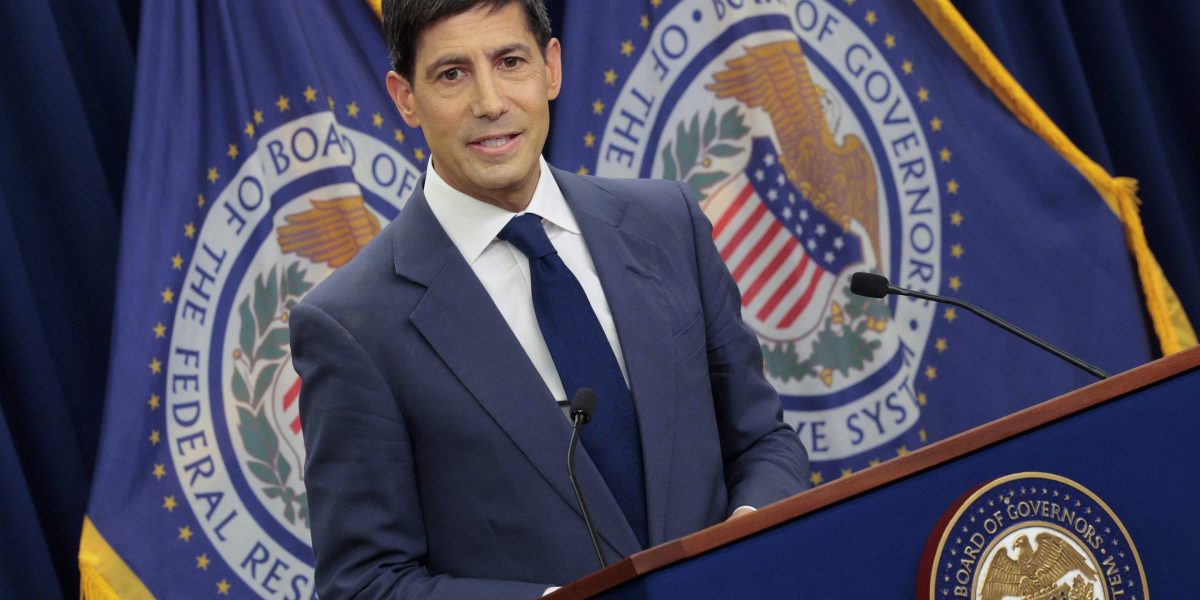
The Federal Reserve’s June meeting record showed a central bank keeping rates unchanged while giving fresh weight to inflation under Chair Kevin Warsh. The line that drew attention from former Richmond Fed economist Laura Ullrich was the committee’s firm statement that it “will deliver price stability,” which she told Fortune stood out for its lack of conditions.
The Federal Open Market Committee voted 12-0 on June 17 to keep the benchmark rate in a 3.5%-3.75% range, according to minutes released Wednesday by the Fed. The decision marked the fourth straight meeting with no rate change, even as the minutes showed officials split over the next move.
Ullrich, now director of economic research at the Indeed Hiring Lab, told Fortune the sentence on price stability was unusually direct for a Fed document. She said the statement did not pair the inflation promise with balancing language about other goals, calling it short but forceful.
The minutes said a small number of participants believed there was already an argument for raising rates, though they supported holding policy steady at the meeting. By year-end, many officials saw the appropriate rate at or slightly below the current range, while “many other participants” favored a higher rate, according to the Fed document.
The rate divide had been signaled earlier in the Fed’s June projections. Fortune reported that nine of 18 officials penciled in at least one rate increase before the end of the year, a shift from March projections that had leaned toward cuts.
Markets responded when those projections were released, according to Fortune. The Dow dropped more than 500 points, two-year Treasury yields rose, and traders raised the implied odds of an October rate increase.
Inflation remains the main pressure point
The minutes estimated total PCE inflation at 4.1% in May and core PCE inflation at 3.4%, both higher than in April. Fed staff tied part of the pressure to tariffs, energy costs linked to the Middle East conflict, and demand related to artificial intelligence, according to the minutes.
The Fed document also said strong demand for AI infrastructure could keep pushing up prices for technology products and electricity. Officials outlined one path in which inflation pressures fade and rates could eventually be maintained or lowered, and another in which tariffs, energy costs or AI-related demand keep inflation high enough to warrant tighter policy.
Ullrich told Fortune that labor market conditions had changed little and described the job market as a low-hiring, low-layoff environment. She said the unanimous vote showed officials were more focused at that moment on inflation risks than on labor market weakness.
The minutes said officials also disagreed over how restrictive current policy is. Several participants said they did not view policy as restrictive, while a few others saw it as slightly restrictive, according to the Fed.
Warsh had already signaled a change in communication style at his June press conference. Fortune reported that he told reporters the Fed should not be in the business of forward guidance, while the June policy statement was cut to 132 words from 341 in April.
Politics remained in the background. Fortune reported that President Trump had pressed for rate cuts and continued to criticize the Fed’s board, while former Kansas City Fed President Esther George said she would plan for higher rates rather than cuts. Ullrich told Fortune that predicting the Fed’s next move remains difficult because the data can change quickly.
This story draws on original reporting from Fortune.